Bulk trash pickup is a waste disposal service for oversized items like furniture and appliances that cannot fit in standard trash bins. You can choose between municipal collection programs that follow a set schedule or private junk removal services that offer faster, on demand removal for a fee. The best choice depends on your budget, the amount of debris you have, and your local disposal regulations.
Staring at a pile of old furniture, broken appliances, or leftover renovation debris can feel like an insurmountable challenge when your regular waste service leaves it sitting on the curb. This frustration is common for homeowners and facility managers alike, as standard residential routes are simply not equipped for oversized loads. Understanding the nuances of bulk trash pickup is essential for maintaining a clean property and avoiding municipal fines. In this guide, we provide an expert breakdown of the logistics involved in large scale waste disposal. You will learn about the difference between routine collection and bulk services, the specific items accepted by local haulers, and the pricing structures you should expect. We also explore why some items are rejected and how to determine if a dedicated dumpster rental is a more efficient solution for your specific project needs.
What is Bulk Trash Pickup and How Does it Differ from Routine Collection?
Standard waste management centers on the routine collection of 32 to 64 gallon carts. These containers are ideal for daily household or office waste, but they cannot accommodate oversized items like mattresses, appliances, or decommissioned furniture. Bulk trash pickup is the specialized service designed for these large-format items. While routine service follows a rigid weekly schedule, bulk collection is typically an on-call or seasonal event that requires different logistics and equipment.
Municipal programs in the Intermountain region often provide bulk services, but they frequently involve wait times ranging from two to eight weeks. These programs are often restricted by strict volume limits or specific pickup windows that may not align with a construction project or a tenant move-out. Intermountain Recycling provides a more flexible alternative, offering reliable waste collection and recycling services with organized routing and clear schedules.
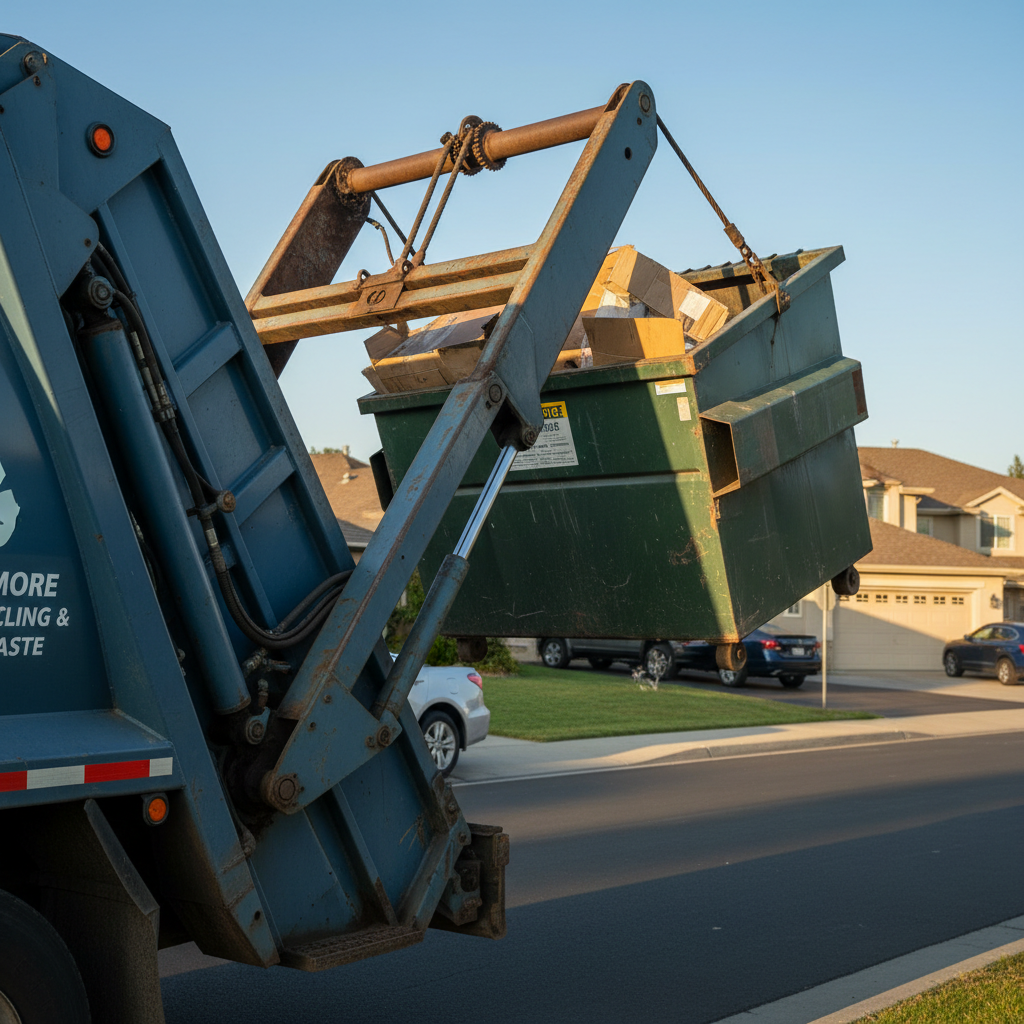
The logistics of bulk pickup differ from your weekly roll-off service. Standard trash is collected curbside using automated equipment, whereas bulk items often require manual loading or specialized trucks. Most pickups are curbside, meaning items must be placed at the edge of the property, but private haulers can often coordinate on-property collection for commercial sites or complex residential layouts. For those looking for local recycling resources for the Intermountain region, understanding these logistical differences ensures that large debris is handled safely and remains compliant with local environmental standards. If you are unsure if an item qualifies for a standard route or needs a special call, you should contact Intermountain Recycling to confirm the requirements for your specific location.
Accepted vs. Prohibited Items: What Can You Actually Put on the Curb?
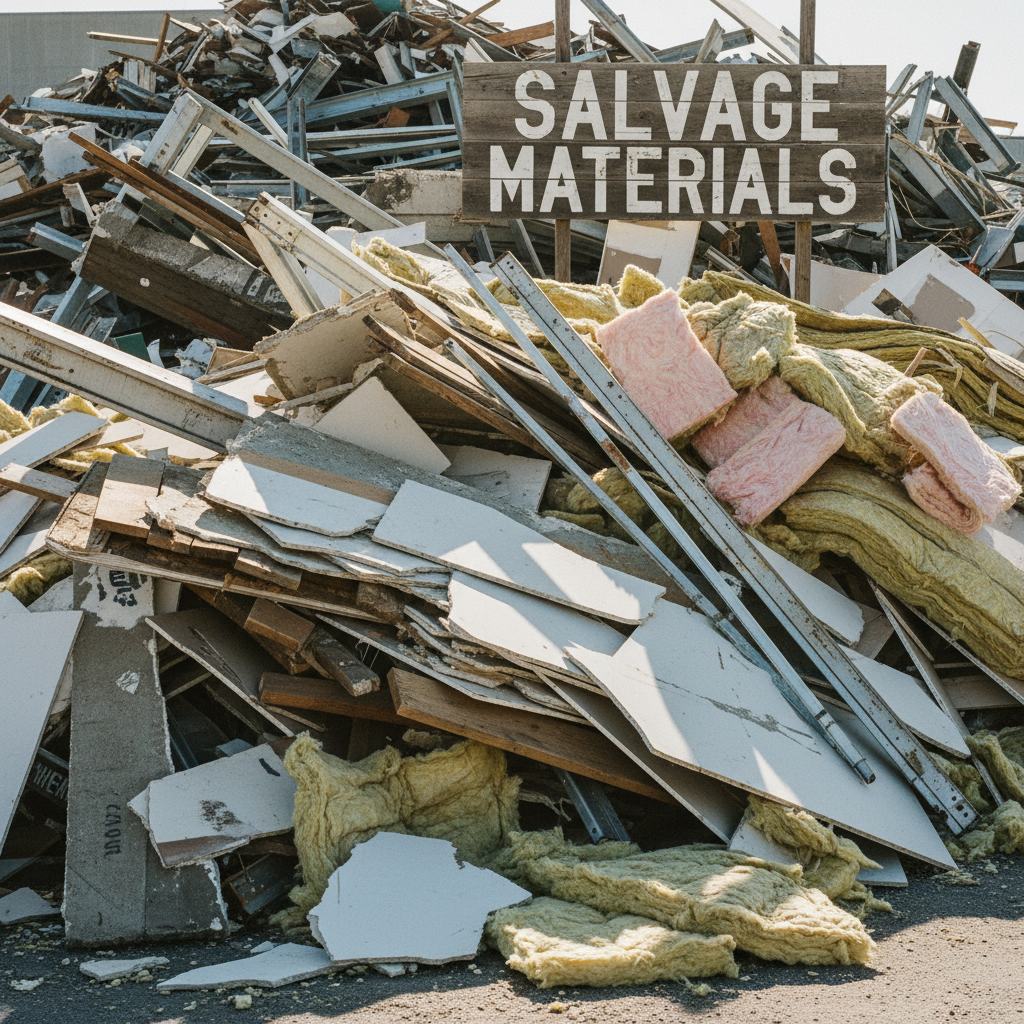
Understanding the limits of bulk trash pickup prevents service delays and ensures that materials are handled according to state and local environmental regulations. Most large household items are eligible for collection, provided they can be safely loaded by a two person crew or specialized lifting equipment. Common household items that generally qualify for pickup include upholstered furniture such as couches and recliners, wooden tables, dressers, and bed frames. Large appliances, often referred to as white goods, are also standard for collection; this includes washing machines, dryers, stoves, and dishwashers.
However, certain materials require specialized handling or are strictly forbidden due to their chemical composition or the physical risk they pose to crews.
Category | Accepted Items | Prohibited Items |
|---|---|---|
Furniture | Couches, chairs, dining tables, mattresses, box springs | Items with severe bed bug infestations |
Appliances | Washing machines, dryers, water heaters, stoves | Uncertified refrigerators (with freon) |
Home Goods | Rolled carpet (bound), exercise equipment, grills | Tires, car batteries, propane tanks |
Hazardous Waste | None | Liquid paint, motor oil, pesticides, chemicals |
Intermountain Recycling prioritizes diversion over simple landfilling. While many municipal programs treat every bulk item as a candidate for the dump, our process involves identifying appliances and metal heavy items for specialized recycling. This reduced environmental impact is a core component of our operations in Fillmore and the surrounding area.
Items like liquid paint, tires, and lead acid batteries are prohibited because they are categorized as hazardous waste. These materials can leak into the soil at a landfill or cause fires during transport. For residents and business owners looking for ways to manage these specific materials, exploring recycling resources for the Intermountain region can provide guidance on dedicated drop-off sites that are equipped to handle toxic or volatile substances. When preparing for your pickup, ensure that carpet is cut into manageable lengths and that all appliances are emptied of their contents.
The Cost of Convenience: Bulk Trash Pickup Pricing vs. Junk Removal
Choosing a disposal method involves balancing immediate needs against budget constraints. Municipal programs are often the least expensive option, with costs ranging from $0 to $35 per item. However, these services frequently come with a significant hidden cost: time. Residents in the Intermountain region often wait two to eight weeks for a scheduled pickup; this is rarely feasible for property managers facing a quick tenant turnover or homeowners clearing out space for new furniture.
At the other end of the spectrum are full service junk removal companies. These services handle the heavy lifting and loading, but the convenience comes at a premium. A full load for these providers can cost between $600 and $950 because you are paying for both transport and significant manual labor. While this is helpful for those physically unable to move their own items, it is often an unnecessary expense for those who can stage materials at the curb or a designated collection point.
Private reliable waste collection and recycling services offer a strategic middle ground. By focusing on curbside or organized site collection, these services eliminate the high labor markup of junk removal while providing much faster response times than municipal utilities. This model is particularly effective for commercial clients and construction sites where keeping a property operational and safe is a priority.
Service Type | Typical Cost | Wait Time | Labor Level |
|---|---|---|---|
Municipal Pickup | $0 - $35 per item | 2 - 8 Weeks | Low (Curbside) |
Junk Removal | $600 - $950 per load | 1 - 3 Days | High (Full Service) |
Private Bulk Pickup | Volume-based | Scheduled | Moderate (Curbside) |
Pricing for private pickup is generally determined by total volume and the specific logistics required for the load. A single water heater requires a different route plan than five cubic yards of mixed household debris. By opting for a professional hauler, you gain access to streamlined logistics that prioritize efficiency. To get an accurate quote based on your specific volume, you should contact Intermountain Recycling. This approach ensures you only pay for the capacity you use, providing a sustainable and predictable expense. For more information on how we handle various materials, you can review recycling resources for the Intermountain region to see how diversion affects long term disposal costs.
Why Didn't They Pick Up My Bulk Trash? Common Rules and Compliance
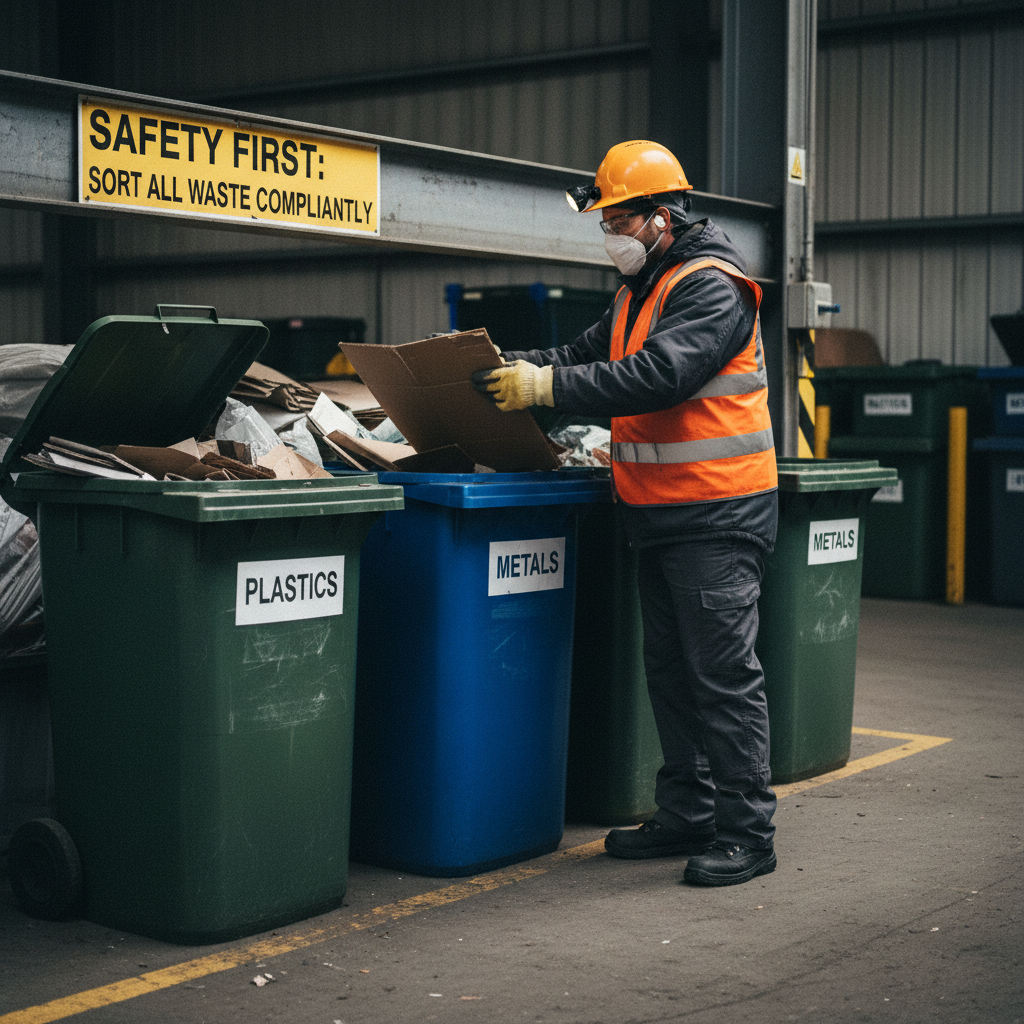
A missed pickup is rarely a matter of oversight; it is usually the result of a logistical or safety conflict that prevents the crew from completing the job safely. To maintain reliable waste collection and recycling services, crews must follow strict placement rules. Items should be placed at least five feet away from obstructions such as parked cars, mailboxes, fences, and fire hydrants. Furthermore, overhead obstructions are a common cause of service delays. If a bulk trash pickup requires a boom truck or crane, low-hanging power lines or tree branches can create an immediate safety hazard, forcing the driver to bypass the location.
Weight and volume restrictions also play a critical role in compliance. Most services operate under a "small pile" rule, which typically limits a single collection to about four or five cubic yards, roughly the size of a standard pickup truck bed. If a pile exceeds these dimensions or includes items that are too heavy for a two person crew to safely manual-load, it may be flagged for a different equipment type or a larger container solution.
Reason for Missed Pickup | Description |
|---|---|
Obstructions | Items too close to cars, mailboxes, or utility poles. |
Overhead Hazards | Low power lines or trees preventing hoist operation. |
Volume Limit | Pile exceeds the maximum cubic yardage (small pile rule). |
Safety Hazards | Presence of prohibited hazardous materials or loose glass. |
Organized routing and compliant handling practices are not just about efficiency; they are designed to protect your property and our staff. If you have a particularly large load or are unsure about placement, you should contact Intermountain Recycling to review the site requirements before your scheduled date. This ensures the equipment dispatched is appropriate for the task and prevents unnecessary delays.
When to Choose a Dumpster Rental Instead of Bulk Pickup
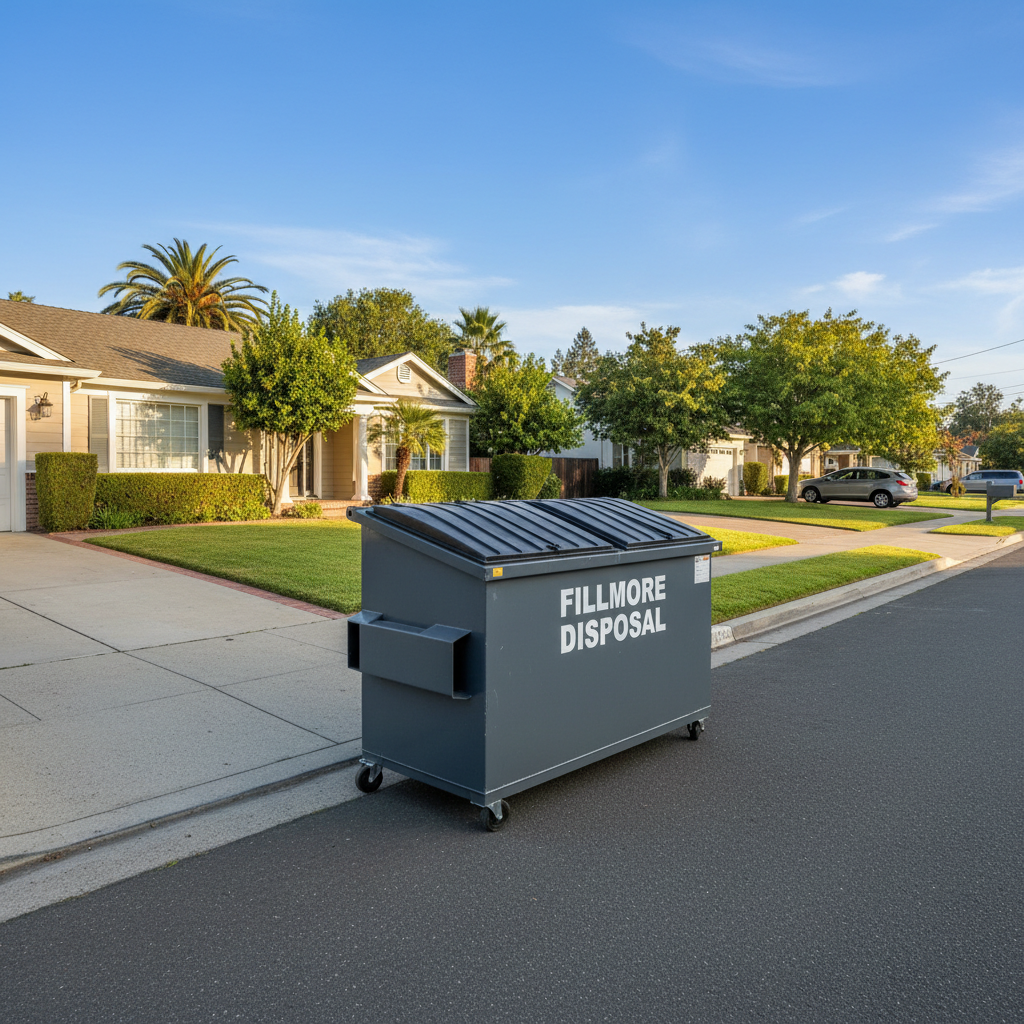
Determining the breaking point between a bulk pickup call and a dumpster rental depends on the volume and nature of the debris. While bulk trash pickup is the ideal solution for one to five discrete items, such as a mattress or a washing machine, it is not designed for the heavy, loose debris generated by construction or major renovation projects. For residential whole-home cleanouts or roofing replacements, the volume of waste quickly exceeds the typical five-cubic-yard limit allowed for standard bulk collection.
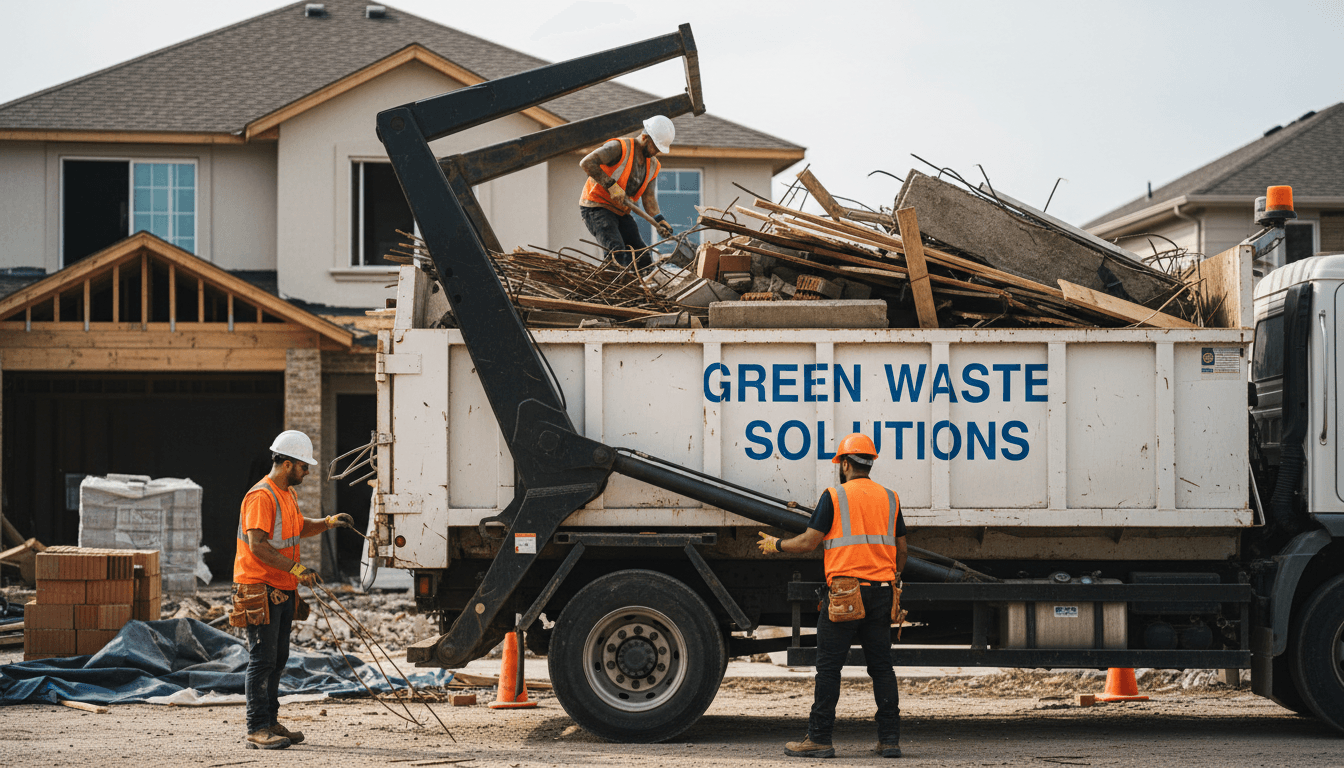
Construction and industrial clients in the Intermountain region often require a more robust solution than a scheduled curbside stop. Projects involving lumber scraps, drywall, and masonry produce thousands of pounds of material that are difficult to stage for a manual crew. In these instances, a dedicated roll-off container offers superior flexibility. It allows crews to manage waste as it is generated, keeping the construction site clean, safe, and operational without the need for multiple, costly bulk service calls.
For those managing large-scale renovations or industrial facilities, reliable waste collection and recycling services through container rentals provide a centralized disposal point for mixed materials. If your project involves more than a few pieces of furniture, you should contact Intermountain Recycling to discuss container sizes that fit your site's specific footprint and debris volume.
Scheduling and Logistics in the Intermountain Region
Successful scheduling for bulk trash pickup in Fillmore and the surrounding counties depends on clear communication and site preparation. To facilitate our streamlined logistics, organize your materials by type; for example, group metal appliances together and stack lumber in neat, uniform piles. Loose debris should always be bagged or boxed to prevent wind scatter and ensure our crews can maintain organized routing without delays. Providing these reliable waste collection and recycling services requires a commitment to safety and timeliness.
When you contact Intermountain Recycling to arrange a service date, verify the exact placement of your items to ensure they are accessible for our equipment. Proper staging not only speeds up the collection process but also helps us identify materials that can be diverted to recycling resources for the Intermountain region. By adhering to these preparation steps, you help maintain a clean and operational property while supporting efficient waste management practices across the region.
Navigating the rules and expenses of bulk trash pickup ensures a smoother disposal process for your large projects. While DIY methods work for some, managing oversized items often requires significant time and physical effort. If you want expert help streamlining this task, we can assist with your specific removal needs. You can explore our services to find a custom solution that fits your schedule. Our team focuses on efficient, responsible handling so you can complete your cleanup without any unnecessary stress.