To find appliance recycling near me in the Intermountain Region, residents should utilize retailer haul-away programs, donate working units to local charities, or contact professional recycling services. These facilities ensure the safe removal of hazardous components like Freon while offering convenient curbside or drop-off options for various household items.
Staring at a broken refrigerator or a mountain of outdated commercial appliances in your warehouse feels like a logistics nightmare. It takes up valuable space, yet standard curbside services often refuse these heavy, complex items. Proper disposal is not just about decluttering your property; it is a critical environmental and legal responsibility in the Intermountain region. Refrigerants and heavy metals require expert handling to prevent soil contamination and comply with strict local regulations. This guide explores the most efficient and safest ways to manage appliance waste in Utah. We will cover the specific differences between residential and commercial disposal, explain why dumpsters are often off limits, and provide practical steps for preparing your units for professional pickup near Fillmore and beyond.
Why Responsible Appliance Recycling Matters in Utah
Managing waste across the vast distances of the Intermountain region requires more than just a truck; it demands organized routing and streamlined logistics. For residents and businesses from Fillmore to the surrounding counties, finding appliance recycling near me is often the first step toward clearing out space, but the process involves more than simple removal. Responsible recycling is a specific, regulated practice that distinguishes professional reliable waste collection and recycling services from unverified alternatives.
Appliances are not merely inert junk. They are complex machines containing a mix of high-value recoverable materials like steel, copper, and aluminum, alongside hazardous components that require expert handling. When homeowners leave units for unlicensed scrappers, they risk environmental damage. These scrappers often harvest the metal while illegally venting refrigerants or improperly disposing of mercury switches and PCB-laden capacitors.
In contrast, professional handling ensures that every unit is processed according to federal standards, including the recovery of ozone-depleting substances. Proper disposal prevents toxic oils and chemicals from leaching into the local soil or groundwater. By prioritizing these recycling resources, our community ensures that valuable materials return to the manufacturing stream while keeping the unique Utah landscape clean, safe, and operational.
The Hazards Hidden in Your Old Refrigerator and Freezer
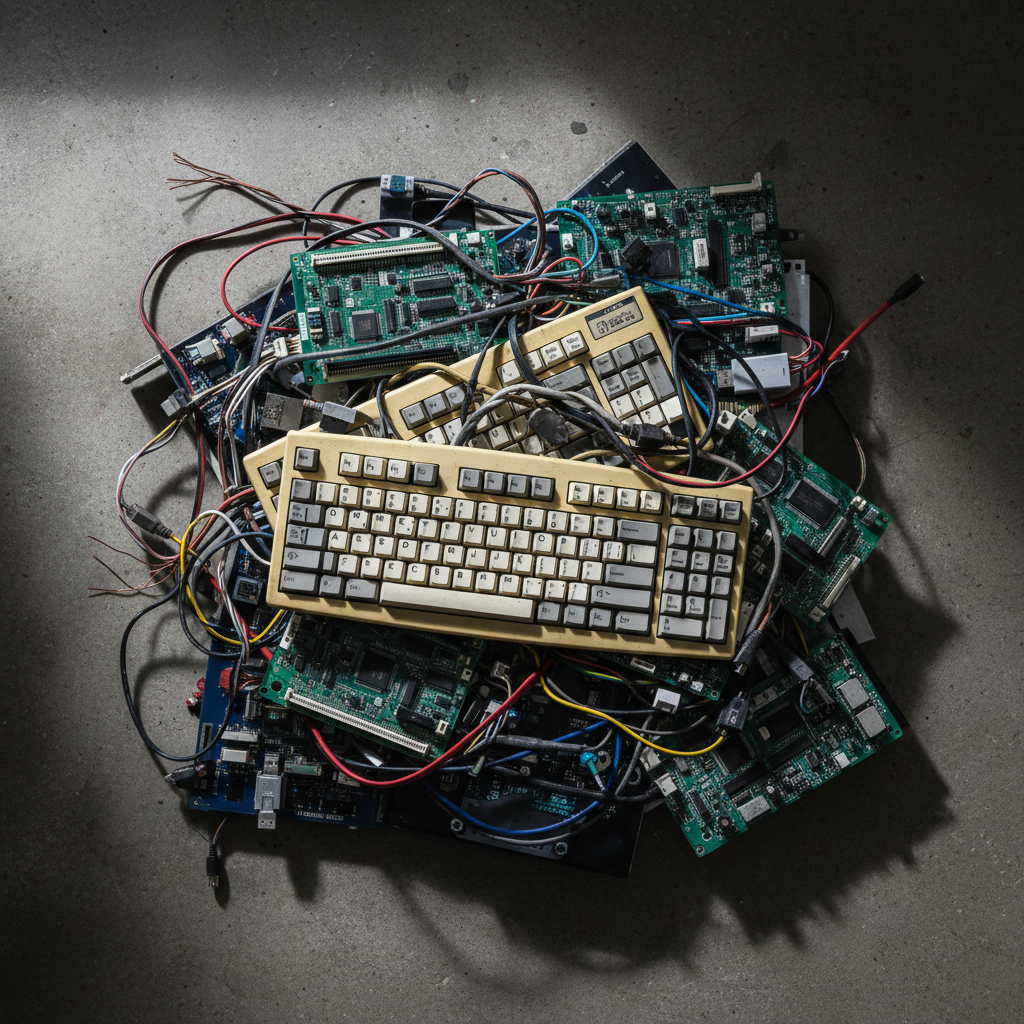
Refrigerators and freezers are the most strictly regulated household items due to their complex cooling systems. Under EPA Section 608 of the Clean Air Act, the recovery of ozone-depleting substances is a federal mandate, not a suggestion. These regulations require that certified technicians use specialized vacuum equipment to extract refrigerants like R-12 or R-22 before the metal frame is shredded. Intentionally venting these gases into the atmosphere is a federal violation; professional handling is the only compliant path for Intermountain residents to ensure these chemicals do not contribute to atmospheric damage.
Beyond the refrigerant gases, these units contain several other hazardous materials that require technical expertise to manage:
PCBs (Polychlorinated Biphenyls): Older units, particularly those manufactured before 1979, often contain capacitors filled with PCBs. These are persistent organic pollutants that do not break down easily and can accumulate in the local environment.
Mercury Switches: Many chest freezers and older refrigerators utilize mercury-containing tilt switches or sensors that must be manually removed and processed separately.
Hazardous Compressor Oils: The oil used to lubricate the compressor often becomes contaminated with refrigerant. If the compressor is simply cut open by a scrapper, this oil can leak into the ground, posing a risk to the local water table.
For property managers and homeowners looking for appliance recycling near me, understanding these bulk trash pickup rules is essential. A standard waste haul cannot safely process these materials. Utilizing reliable waste collection and recycling services ensures that every unit is tracked and managed according to 40 CFR guidelines, keeping hazardous oils and chemicals out of our Utah soil.
Can I Throw Away Appliances in a Dumpster?
Placing large appliances into a standard residential or commercial dumpster is generally prohibited throughout the Intermountain region. Municipal and private waste haulers classify these items as white goods, which require specialized handling due to their significant weight, physical size, and the environmental hazards they pose. While a small toaster or a handheld mixer might be acceptable in a regular bin, larger units like washing machines, stoves, and refrigerators are strictly excluded.
Attempting to dispose of these in a standard container often results in the dumpster being left unemptied at the curb or the account holder receiving substantial non-compliance fines. For residents and business owners looking for appliance recycling near me, adhering to local bulk trash pickup rules is the only way to ensure uninterrupted service. Instead of risking a fine, utilizing reliable waste collection and recycling services provides a compliant path for bulky disposal. These recycling resources ensure that heavy metal units are routed to processing facilities equipped to handle their specific weight and material composition safely.
Sorting Your Scraps: Large vs. Small Appliance Recycling
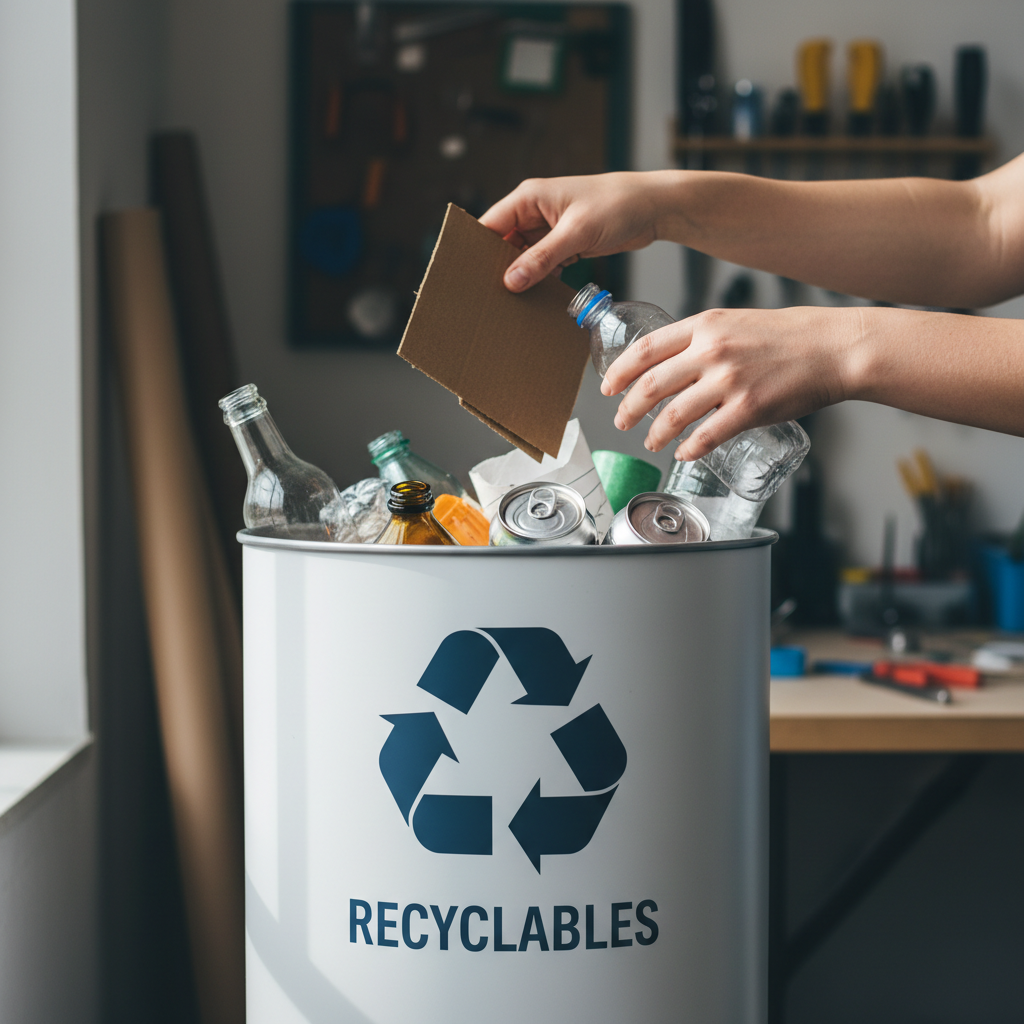
Since standard dumpsters are off-limits for most bulky items, identifying the specific category of your scrap helps determine the safest logistics and the most efficient disposal path. Small and large appliances differ significantly in their material composition and the physical risks they present during handling.
### Small Appliances Items such as toasters, blenders, and coffee makers are primarily composed of plastics and light metals. While they contain valuable copper wiring, they are generally manageable for standard drop-off programs. However, microwaves are a notable exception within this category. They contain high-voltage capacitors that can hold a lethal electrical charge long after the unit has been unplugged. Because of this stored energy, microwaves should never be crushed or dismantled by anyone other than a professional technician. For those searching for appliance recycling near me, these smaller units are often consolidated at specialized collection points to ensure the capacitors are discharged safely before the steel casing is processed.
### Large Appliances Washers, dryers, and stoves, often referred to as white goods, represent a significant source of high-quality scrap metal. These units are heavy in structural steel, which is infinitely recyclable.
Appliance Type | Primary Materials | Disposal Considerations |
|---|---|---|
Washers/Dryers | Steel, Copper (motors), Aluminum | Heavy weight requires specialized lifting equipment. |
Stoves/Ovens | Steel, Cast Iron, Chrome | Often contains porcelain coating that must be separated. |
Microwaves | Steel, Copper, Glass | Contains high-voltage capacitors; requires expert handling. |
While some big-box retailers offer haul-away services for a fee, these options are almost always contingent on the purchase of a new unit. If you are clearing out a renovation site or managing a property cleanout, you need a standalone solution. Intermountain Recycling provides these independent recycling resources without requiring a new purchase. By utilizing reliable waste collection and recycling services, you ensure that heavy-gauge steel and copper components are recovered according to bulk trash pickup rules, rather than letting them take up space in a garage or local landfill.
Local Options for Appliance Recycling Near Fillmore and Beyond
Residents across Millard County and the Pahvant Valley have several avenues for disposing of white goods, depending on the condition of the machine and the owner’s capacity for transport. For functional units, donation is the most sustainable first step. Local charitable organizations or regional Habitat for Humanity ReStores often accept working stoves or refrigerators. This ensures the appliance stays in the circular economy and assists families within the Intermountain community.
In the rural stretches of Utah, independent scrappers are a common sight, offering to haul away metal for free. While this can be a quick fix for a non-working dryer or stove, it poses significant risks for cooling units. Many independent collectors lack the specialized vacuum equipment required for EPA compliant Freon recovery. If a unit is vented improperly in a backyard or field, the environmental impact on our local soil is lasting. Using unverified collectors for units containing refrigerants can lead to unintended environmental violations.
For those who lack a heavy duty truck or the physical strength to move a 250 pound freezer, professional collection remains the most efficient choice. Scheduling reliable waste collection and recycling services allows homeowners and businesses along the I-15 corridor to tap into organized routing that handles the heavy lifting and the technical processing. We provide the necessary recycling resources to ensure every unit collected near Fillmore is processed with full environmental accountability. By following established bulk trash pickup rules, you avoid the liability of improper disposal while ensuring that high value metals are reclaimed safely. Searching for appliance recycling near me should lead to a solution that is both convenient and compliant with federal 40 CFR standards, keeping our regional properties clean and operational.
Commercial Appliance Disposal for Property Managers and Businesses
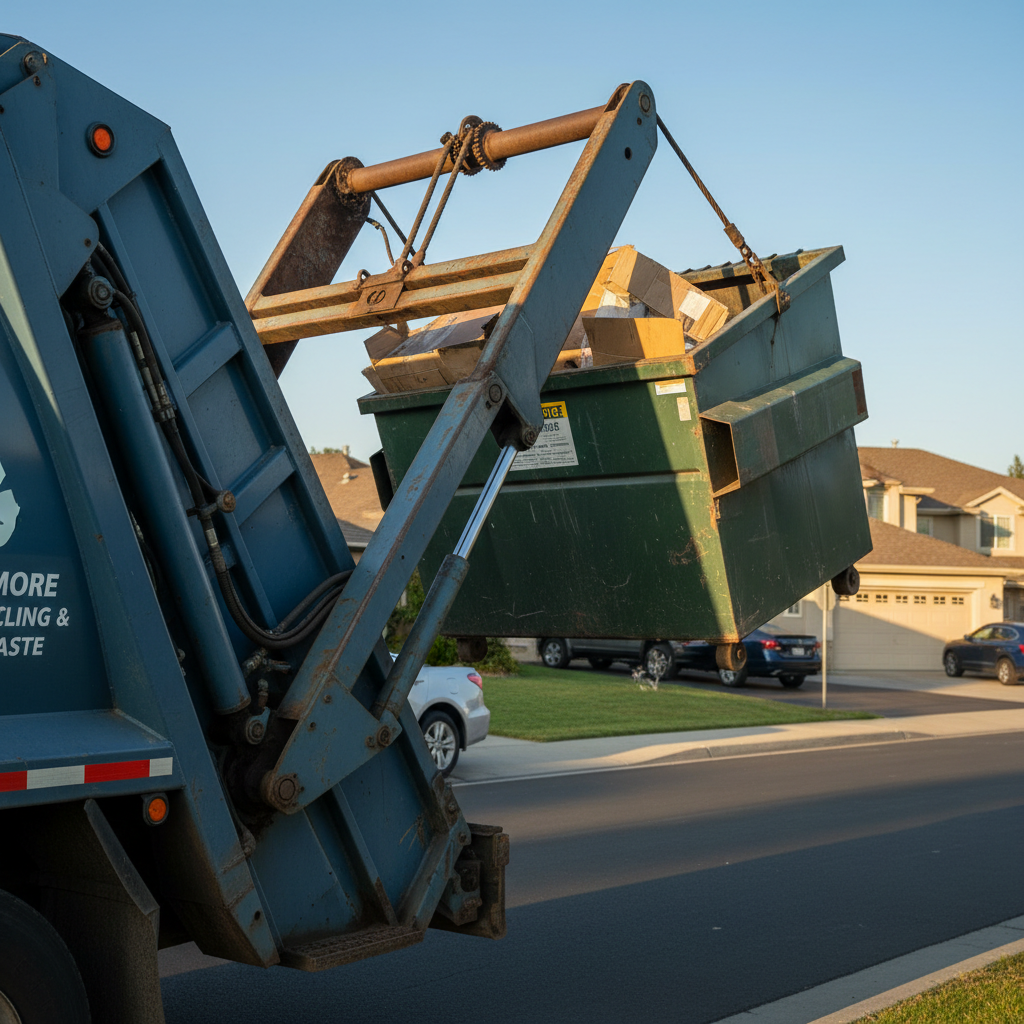
Property managers and business owners in the Intermountain region face unique logistical challenges during large scale renovations or facility upgrades. When clearing out a commercial kitchen or replacing appliances across an entire apartment complex in Fillmore, the volume of waste exceeds the capacity of standard residential pickups. These projects demand streamlined logistics and organized routing to ensure that the site remains safe and operational. Managing the removal of industrial ranges, walk-in coolers, or dozens of laundry units requires specialized equipment and a crew capable of handling heavy weight loads efficiently.
Professional management also mitigates significant legal and environmental liability for the business. Commercial cooling units often contain large volumes of refrigerants that must be recovered according to strict federal mandates. Utilizing reliable waste collection and recycling services ensures that all units are processed at facilities equipped for full compliance with 40 CFR standards. By integrating these professional recycling resources into your project plan, you avoid the risks associated with unverified scrappers who may ignore bulk trash pickup rules regarding hazardous component removal. For businesses searching for appliance recycling near me, a structured disposal strategy is the most effective way to protect the bottom line while maintaining a commitment to regional sustainability.
How to Prepare Your Appliances for Pickup
To ensure your pickup proceeds efficiently, specific preparation is required before our team arrives. Proper staging helps maintain organized routing and protects both your property and our crews. For homeowners and business owners utilizing appliance recycling near me, following these practical steps is the final stage of responsible disposal.
Unplug and Defrost: Disconnect refrigerators and freezers at least 24 hours in advance. All ice must be fully melted and the interior dried to prevent water from leaking into the collection vehicle during transport.
Sanitize the Unit: Remove all food, debris, and loose internal shelving. Units must be empty to meet safety and hygiene standards for processing.
Secure the Doors: Use heavy duty tape or zip ties to secure doors and lids. This prevents them from swinging open unexpectedly while being moved, which is a significant safety hazard.
Clear the Path: Move furniture, rugs, or other obstacles to create a direct route to the exit.
Adhering to these bulk trash pickup rules allows us to provide reliable waste collection and recycling services quickly. Utilizing these recycling resources ensures that your heavy machinery is transitioned safely from your floor to our processing facility.