Effective mattress disposal involves recycling through local programs, donating to charities, or hiring professional junk removal services. While professional removal costs typically range from $40 to $200, many Intermountain Region residents can find free drop-off locations or retailer take-back programs to reduce expenses. These methods ensure that bulky materials are kept out of landfills and managed in an environmentally responsible way.
Saying goodbye to an old mattress is often more stressful than the years of poor sleep that preceded the replacement. These bulky items are notoriously difficult to maneuver, and they rarely fit into standard residential waste bins; this leaves many homeowners stuck with an eyesore taking up space in the garage. Beyond the physical burden, improper disposal creates significant environmental strain on our local landfills. In the Intermountain region, understanding your options is essential for maintaining both your property and our shared ecosystem. This guide provides a comprehensive breakdown of the logistics involved in responsible removal. You will learn about current disposal fees, identify local opportunities for free recycling, and explore the steps for dismantling a unit yourself. Finally, we will explain how professional bulk pickup services can streamline the process while ensuring your old bedding is handled with the highest standards of efficiency.
Why Mattress Disposal is More Complex Than Standard Trash

Many residents in Fillmore and the surrounding Intermountain region are surprised when an old bed is left behind during weekly trash collection. This leads to the common question: why didn't the garbage man take my mattress? The answer lies in the specialized nature of these items. Standard waste collection and recycling services are optimized for small, uniform waste that fits within automated bins. A mattress, by contrast, is a bulky, multi-material object that requires manual handling and dedicated transport.
Beyond the logistics of the pickup, mattresses present significant operational challenges at the disposal site. A single queen size mattress occupies approximately 40 cubic feet of landfill space. Unlike typical household waste, mattresses are designed to resist compression, meaning they remain bulky even under the weight of heavy machinery. This inefficiency rapidly depletes the capacity of regional landfills, making mattress disposal a point of concern for environmental managers who must prioritize landfill longevity.
The most critical issue is mechanical. The high tension steel springs inside traditional mattresses are notorious for causing damage to industrial equipment. When a mattress enters a standard processing stream, these springs can break free and wrap around the heavy steel drums of landfill compactors or the teeth of recycling shredders. This leads to expensive repairs and significant operational downtime for the facility. By requiring specialized recycling and cleanup, local authorities ensure that their infrastructure remains functional. Through organized routing and service schedules, professional haulers manage these risks by keeping mattresses separate from the standard waste stream.
Understanding Mattress Removal Cost and Disposal Fees
When investigating mattress removal cost, residents and business owners often find that professional services range from $75 to $150. This price varies based on the size of the unit, the total number of items, and the logistical challenges of the pickup site, such as narrow stairwells or remote rural locations. While these figures might seem higher than a standard trash bill, they reflect the actual cost of managing a high volume, low density waste product that cannot be processed by automated systems.
A significant portion of the mattress disposal fee is driven by regional tipping fees. Most transfer stations and landfills in the Intermountain region apply a specific surcharge for bulky upholstered items. These facilities must handle mattresses separately to prevent the mechanical failures discussed previously; this extra labor and floor space requirement is passed down to the hauler. Furthermore, specialized recycling and cleanup involve significant labor. A king size mattress is a heavy, awkward weight that requires two experienced crew members to move safely without damaging property or risking injury.
The alternative, a DIY haul, often carries hidden expenses that meet or exceed the price of a professional service. Consider the following breakdown of a typical self-service trip to a regional facility:
Expense Category | Estimated Cost (DIY) | Professional Inclusion |
|---|---|---|
Truck Rental | $20.00 base + $0.99/mile | Included in service fee |
Fuel & Insurance | $15.00 to $30.00 | Included in service fee |
Landfill Surcharge | $20.00 to $45.00 | Included in service fee |
Labor & Time | 3 to 4 hours | Professional crew handles lifting |
By the time a homeowner factors in the cost of fuel for a heavy pickup truck and the lost afternoon spent waiting in line at a transfer station, the professional option often proves to be the most economical choice. Relying on professional waste collection and recycling services ensures that the item is handled according to compliant standards while protecting the customer from the physical strain and logistical headaches of self-disposal.
Options for Free Mattress Disposal Near Me
Finding a no-cost solution for mattress disposal is often the first priority for residents in Millard County and the surrounding areas. However, it is important to understand the local landscape. Unlike states with mandated programs like California’s Bye Bye Mattress initiative, Utah currently lacks a statewide system for free consumer mattress recycling.
If your mattress is in excellent condition, completely free of stains, and shows no signs of structural wear, local charities or thrift stores may accept it for donation. Always call ahead; many organizations have strict hygiene policies and may refuse upholstered items due to the risk of bed bugs or environmental contamination. This is generally the only way to avoid a fee while ensuring the item does not end up in a landfill.
Another common route for free removal is through a one-for-one exchange when purchasing a new bed. Many national and regional retailers include the removal of your old set in the delivery fee for a new one. This effectively offsets the cost by bundling it into the purchase price, providing a streamlined alternative to independent disposal.
Avoid the temptation of illegal dumping on public lands or rural backroads. Utah counties enforce heavy fines for unauthorized waste abandonment, which can far exceed the price of a professional pickup. Beyond the legal risks, abandoned mattresses create environmental hazards and attract pests. If donation or retail exchange are not viable, utilizing professional waste collection and recycling services remains the safest way to ensure community cleanliness and legal compliance.
How to Recycle a Mattress in the Intermountain Region

While the logistical hurdles of mattress disposal are significant, the environmental benefits of recycling these units are substantial. A typical mattress is composed of four primary materials that can be successfully recovered and reintroduced into the manufacturing stream when handled correctly.
Component | Potential Second Life |
|---|---|
Steel Springs | Melted down as high-quality scrap metal |
Foam Padding | Shredded for use in carpet underlayment |
Wooden Frames | Chipped for landscape mulch or biomass fuel |
Fabric & Fiber | Processed into industrial rags or insulation |
Recovering these materials requires intensive manual deconstruction. Steel springs are compressed and sold to scrap dealers; foam is baled and shipped to textile recyclers. In rural areas throughout the Intermountain region, large-scale automated recycling facilities are rare, which makes professional management even more critical. Choosing a dedicated partner for specialized recycling and cleanup ensures that these bulky items do not simply take up valuable air space in local landfills.
Intermountain Recycling utilizes waste collection and recycling services that prioritize the efficient movement of materials through compliant channels. By diverting mattresses from the standard landfill tip, we help extend the operational life of local waste facilities. This methodical approach ensures that even if a mattress cannot be fully recycled in a single local shop, it is handled through a network that values sustainable material recovery. Relying on professional logistics ensures the mattress disposal process remains organized and environmentally sound, keeping regional properties clean and operational.
The DIY Method: How to Cut Up a Mattress for Disposal
For those with the tools and patience to manage mattress disposal independently, manual deconstruction is a viable, albeit grueling, alternative to hauling a whole unit. This process requires a heavy duty utility knife with extra blades, a pair of pliers, and industrial bolt cutters. You must also wear protective gear, including gloves and eye protection, to avoid injury from snapping springs or respiratory irritation from aged foam dust.
Begin by slicing the perimeter cord that binds the fabric to the mattress sides. Once the exterior fabric is peeled away, you will find layers of foam and batting. These must be pulled off and bundled separately. If the mattress has a wooden frame, you will need to pry the wood apart or use a saw to break it into manageable pieces. The final and most difficult step involves the inner springs. Use bolt cutters to snip the steel coils into small sections that can be stacked.
This method is exceptionally labor intensive and generates significant debris. Even after the mattress is reduced to parts, you must still transport the components to a facility that provides specialized recycling and cleanup. While this ensures the unit fits into a standard vehicle, it does not bypass the need for organized routing and service schedules at a proper drop off point. Some residents dispose of the smaller, non recyclable waste in their standard bins over several weeks, though the steel should always be taken to a scrap yard to support landfill longevity.
Scheduling a Bulk Pickup with Intermountain Recycling
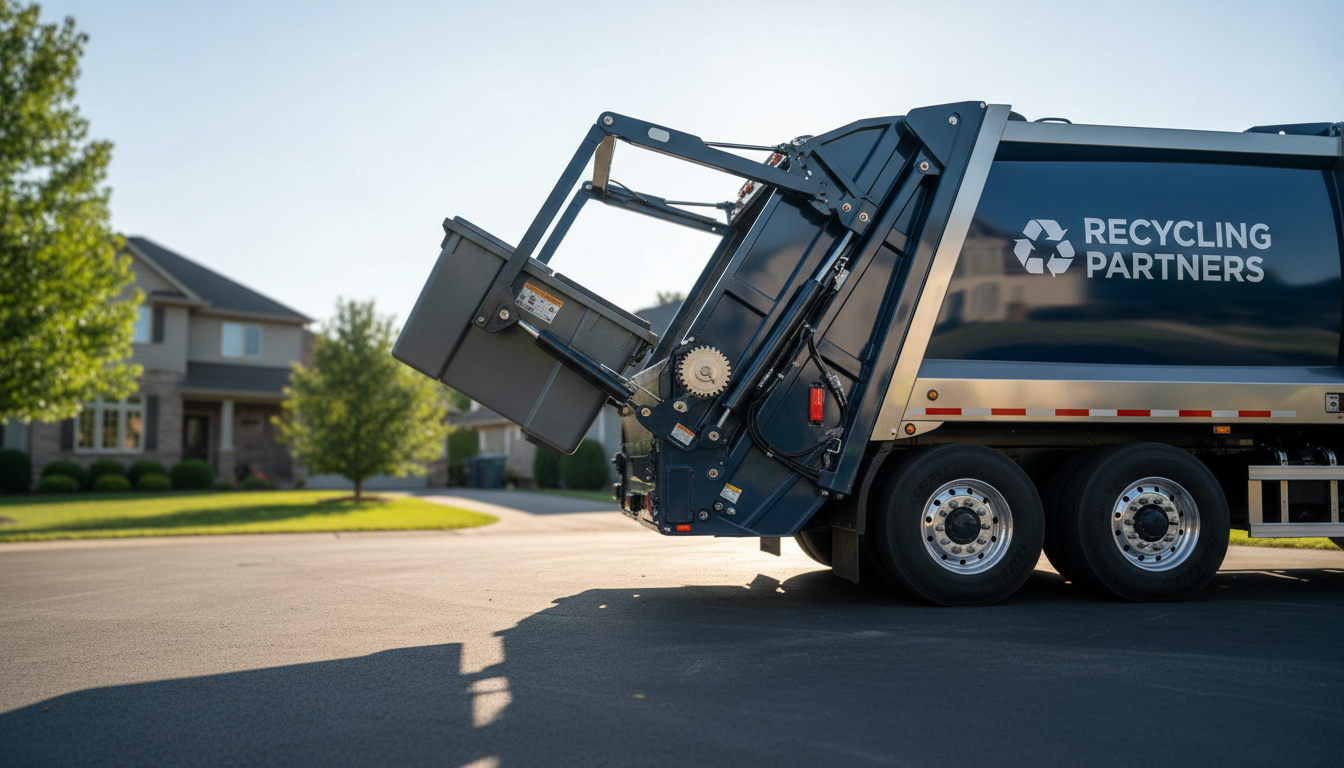
Intermountain Recycling streamlines the logistics of mattress disposal by integrating these bulky items into our professional waste collection and recycling services. For residents in Fillmore and business owners managing property turnovers, scheduling a bulk pickup removes the physical burden and regulatory guesswork of waste management. Our team coordinates these pickups based on organized routing and service schedules, which ensures that heavy items are collected efficiently without disrupting standard local traffic or residential peace.
Professional removal is particularly valuable for commercial clients and property managers who must clear units quickly to maintain operational status. Our crews are trained to navigate tight hallways and multi story buildings using modern equipment designed for awkward loads. This expertise prevents common injuries and property damage that often occur during DIY attempts. By choosing specialized recycling and cleanup, you leverage a system that prioritizes landfill longevity and regional cleanliness. To begin the process, clients can contact our Fillmore office to provide details on the volume of items and the specific location. We then provide a clear window for pickup, ensuring your property remains clean, safe, and compliant with all local disposal ordinances.
Disposing of an old mattress does not have to be a burden on the local environment. By choosing responsible recycling or donation methods, you help keep bulky items out of landfills and support sustainable practices throughout the region. If you find the logistics of hauling a heavy mattress to be a bit overwhelming, consider reaching out for professional assistance. You can explore our various services to see how we can simplify the process for you. Our team is here to help if you want expert guidance for your next cleanup project.