Small businesses in the Intermountain Region can achieve significant savings through commercial recycling by reducing landfill fees and optimizing waste disposal schedules. These programs often lead to long-term financial benefits through tax incentives and decreased procurement costs for raw materials. By partnering with local service providers, companies can transform their waste streams into efficient, cost-effective operations.
Rising waste management costs and complex disposal fees are silent killers of small business margins in the Intermountain West. Many owners view recycling as a luxury or a moral obligation, but in reality, it is a critical tool for operational efficiency. When you treat waste as a logistical problem rather than a fixed cost, the financial benefits become clear. This guide explores the economics of commercial recycling by comparing disposal costs against diversion opportunities. We will identify high-value streams like cardboard and metal, explain how to build a program that pays for itself, and discuss why local logistics matter for your bottom line. You will also learn how to avoid the contamination trap while leveraging compliance to boost your brand value. By the end, you will understand how to transform your waste stream into a sustainable asset.
The Economics of Commercial Recycling: Disposal vs. Diversion
For most business owners in Fillmore and the surrounding Intermountain region, the primary hurdle to implementing a new waste strategy is the bottom line. The answer to whether it saves money is a qualified yes, provided you understand the mechanics of diversion. Diversion is the process of redirecting specific materials away from the municipal solid waste (MSW) stream. By moving heavy materials like cardboard or scrap metal from high cost trash dumpsters into dedicated recycling containers, you reduce the weight and volume of your primary waste.
This shift is financially significant because municipal tipping fees across Utah continue to rise as landfill capacity becomes a more pressing concern. When you pay for a standard trash pickup, you are paying for both the weight of the material and the space it occupies in the truck. In contrast, commercial recycling often operates at a lower price point per ton. For certain high value materials, it can even generate a small rebate or offset the cost of the equipment provided.
In rural and semi-rural Utah, logistics play a massive role in your operating costs. National haulers often struggle with the vast distances between the I-15 corridor and outlying commercial hubs, which often leads to higher fuel surcharges and less flexible scheduling. A localized approach, utilizing reliable waste collection and recycling services based out of Fillmore, allows for more efficient routing and lower overhead. Reducing the frequency of your standard trash pickups by diverting a significant portion of your waste to a recycling stream can lead to immediate monthly savings on hauling fees.
Understanding exactly what you are throwing away is the first step toward these savings. A business waste audit often reveals that a significant portion of what you currently pay to send to the landfill could be handled through specialized recycling programs, turning a fixed expense into a manageable variable cost that rewards efficiency.
Identifying High Value Waste Streams: Cardboard, Metal, and Electronics

Identifying which materials to prioritize is the key to maximizing your return on investment. While many items are technically recyclable, commercial recycling efforts should focus on high volume or high value streams to achieve the fastest financial impact. For the majority of small businesses in the Intermountain region, cardboard is the undisputed starting point for any diversion strategy.
Old corrugated containers often comprise 40 to 50 percent of a business's total waste by volume. Because cardboard is inherently bulky, it fills up standard trash dumpsters rapidly. If your trash is collected on a fixed schedule, you are often paying for the space occupied by air rather than actual weight. By separating cardboard into a dedicated baler or bin, a business can frequently reduce its municipal solid waste pickup frequency by half, or downsize its primary trash container entirely. This direct reduction in hauling fees is where the primary ROI resides; the cost to haul a dedicated cardboard bin is typically lower than the cost of a mixed waste load due to lower tipping fees and processing efficiencies.
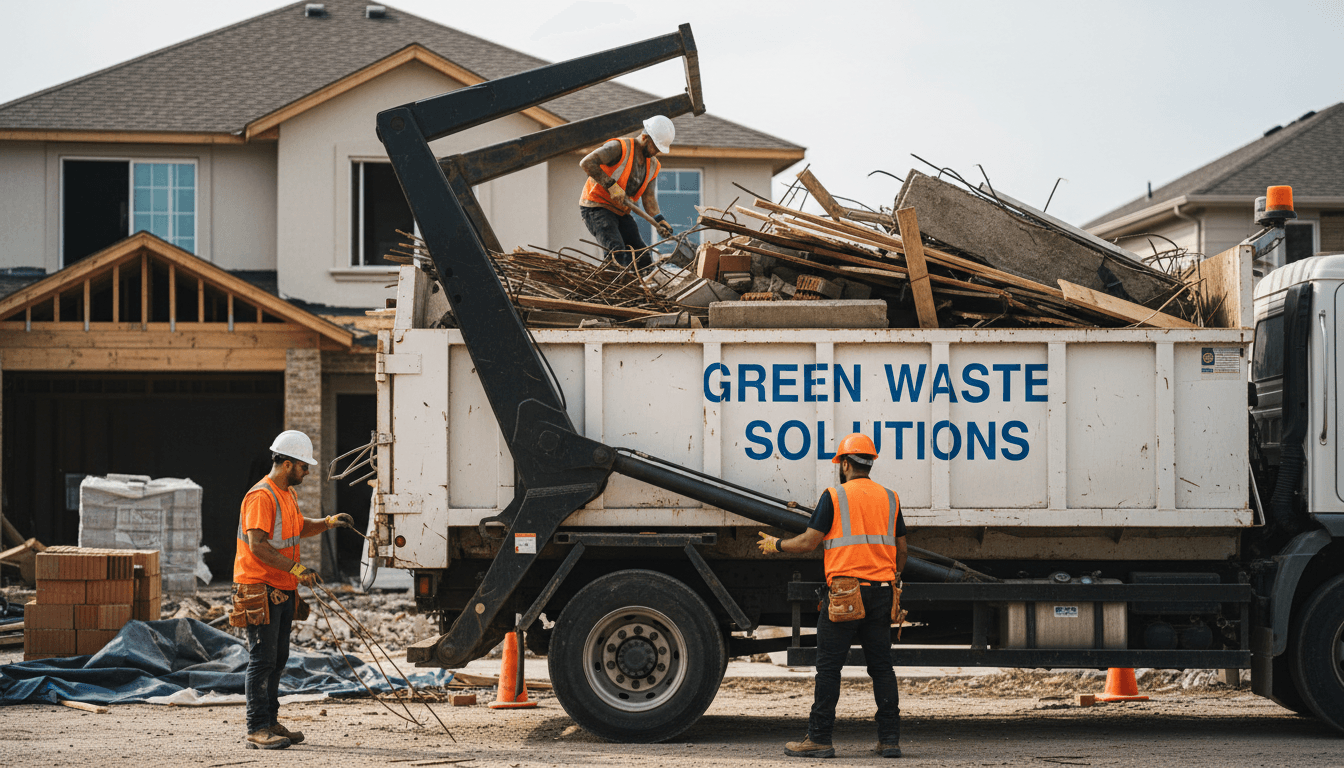
Scrap metal represents the highest value per ton and is a critical stream for construction sites and industrial facilities near Fillmore. Aluminum, copper, and steel can be collected through specialized recycling programs that target heavy materials. Unlike general waste, these metals are commodities with fluctuating market values. For businesses generating consistent metal scrap, this stream can shift from a disposal expense to a legitimate revenue offset, especially when logistics are optimized to reduce the travel time to processing centers.
For office-based businesses, electronics recycling serves as a specialized cost-avoidance strategy. Items like monitors, circuit boards, and batteries are often classified as hazardous waste. Improper disposal in a standard dumpster can lead to steep regulatory fines and environmental liability. Implementing a structured program for E-waste ensures compliance with local standards while keeping toxic materials out of regional landfills. To determine your specific potential for savings, performing a business waste audit is essential. By quantifying the volume of cardboard and metal in your current bins, you can project how much dumpster space you will reclaim, ensuring you only pay for the reliable waste collection and recycling services you actually need.
Building a Commercial Recycling Program That Pays for Itself
Moving from identifying materials to implementing a system requires a tactical approach centered on net cost reduction. A commercial recycling program pays for itself when the decrease in municipal solid waste (MSW) hauling fees exceeds the cost of the recycling service. Following a structured plan ensures these savings are realized quickly and sustained over time.
Conduct a localized waste audit. Before ordering bins, you must understand your actual output. A business waste audit involves physically inspecting your dumpsters over a typical work week to see what is being discarded. If you find that 50 percent of your bin volume is loose cardboard, you have a clear opportunity to reduce your primary waste service.
Right-size your containers. One of the most common ways businesses waste money is by paying for air. If your trash dumpster is only three quarters full on pickup day, you are overpaying for service you do not need. Once you divert recyclables into a separate stream, work with your hauler to downsize your MSW container or decrease the frequency of pickups. The goal is to ensure every bin is at maximum capacity when it is hauled away.
Select a partner with optimized Fillmore-based logistics. In the Intermountain region, hauling distances significantly impact service costs. A partner that provides reliable waste collection and recycling services from a local base in Fillmore can offer more efficient routing along the I-15 corridor. Localized logistics mean less overhead and more flexible scheduling compared to national providers who may only service rural areas on a rigid, infrequent basis.
Strategically place bins to minimize labor. Labor is often the hidden cost of recycling. If employees must travel long distances to reach a recycling container, the time spent away from their primary tasks can offset your disposal savings. Position bins at the point of waste generation, such as next to packing benches for cardboard or in common areas for high-volume plastics, to integrate recycling seamlessly into their existing workflow.
Implement employee training to prevent contamination. The financial benefits of specialized recycling disappear if loads are contaminated with food or non-recyclable materials. Contaminated loads often result in trash surcharges or the loss of rebates. Provide clear visual aids on every bin and conduct brief, periodic training to ensure staff understands the check before you chuck protocol, protecting your ROI from unnecessary fees.
The Local Advantage: Why Intermountain Logistics Matter
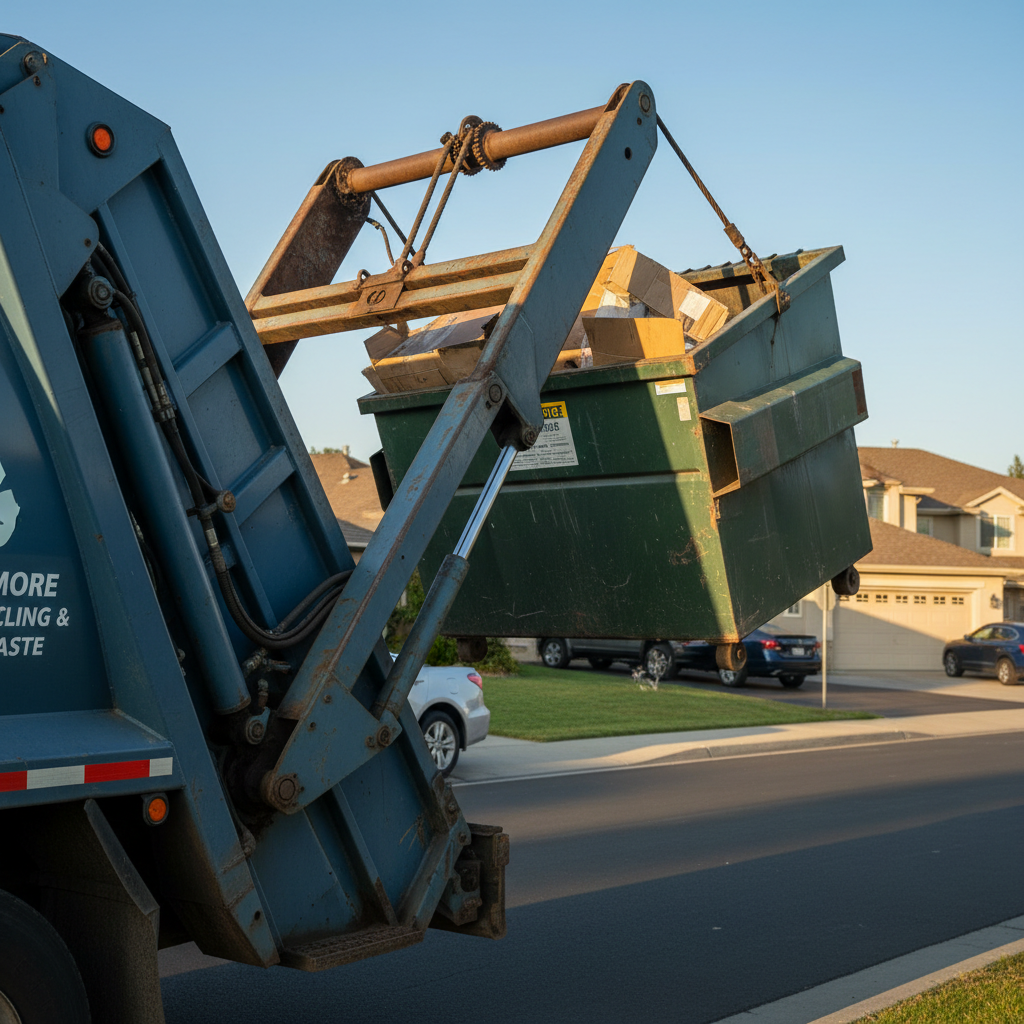
Commercial recycling in rural and semi-rural Utah presents different logistical challenges than those found in dense metropolitan hubs. In a city, a truck might service dozens of clients on a single block. In the Intermountain region, hauling distances between stops are much greater, making organized routing and fuel efficiency the primary drivers of service cost. National waste giants often lack the regional infrastructure to service these areas efficiently, which frequently results in higher surcharges and less reliable schedules for businesses off the main track.
Operating from a base in Fillmore allows for a strategic advantage along the I-15 corridor. By leveraging modern equipment and streamlined logistics, a local provider can coordinate pickups that align with regional processing center schedules. This localized approach minimizes deadhead miles, the miles driven by empty or partially full trucks, which is a major hidden cost in waste management. When a hauler understands the specific geography of the surrounding rural areas, they can offer reliable waste collection and recycling services that remain cost-competitive regardless of the distance from major urban centers.
Effective logistics also extend to the types of containers and vehicles used. Utilizing equipment suited for the specific needs of Intermountain businesses, from small storefronts to large industrial sites, ensures that every mile driven contributes to the client's ROI. By choosing a partner who manages specialized recycling with a deep knowledge of Utah's unique transit corridors, businesses can avoid the logistical premiums typically charged by distant corporate entities. This geographic expertise is what ensures that a business waste audit actually translates into real-world savings through optimized pickup cycles.
Avoiding the Contamination Trap: Protecting Your ROI
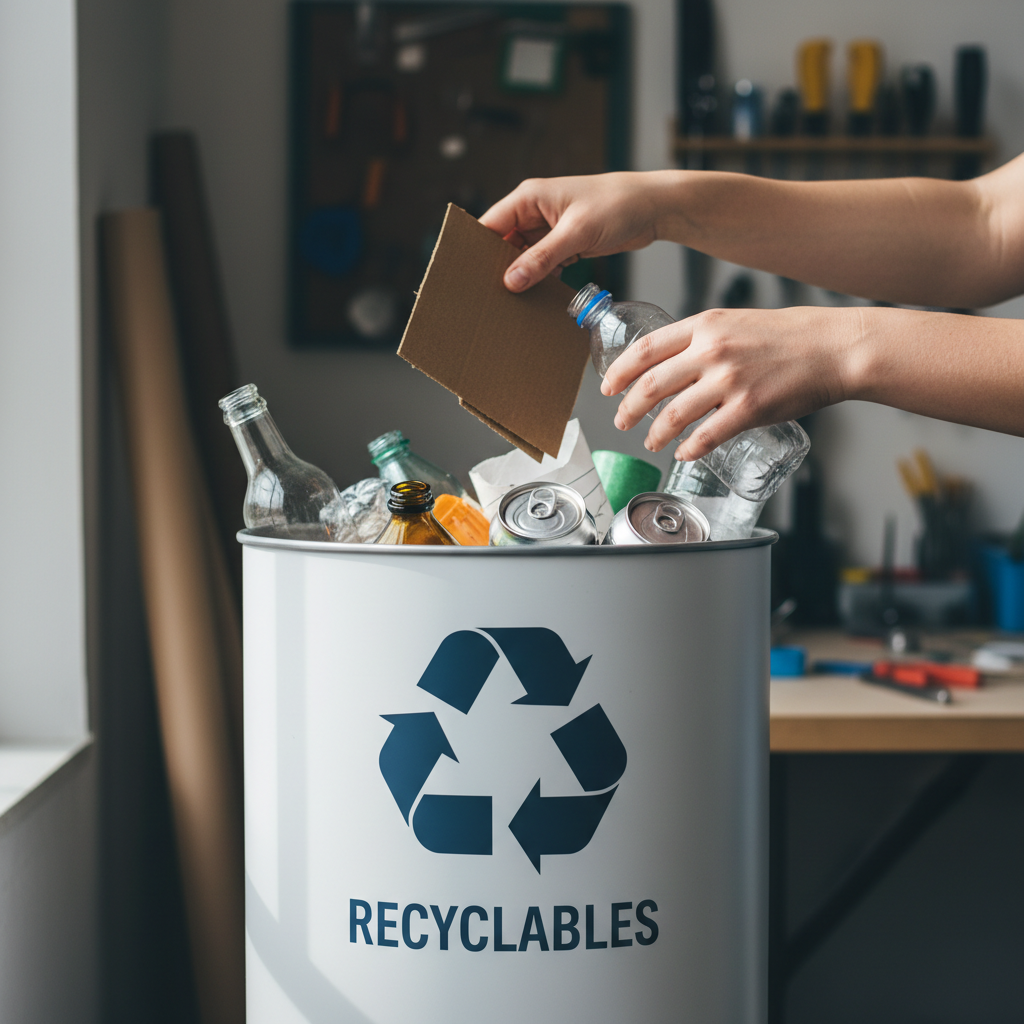
Even with optimized routing and localized logistics, the financial success of your program depends entirely on the quality of the material in the bin. Contamination is the primary reason commercial recycling programs fail to meet their ROI targets. In the industry, this is often driven by wish-cycling, the practice of placing non-recyclable items into a recycling container in the hope that they will somehow be processed. When a load is contaminated, it is frequently rejected at the sorting facility and rerouted to a landfill, meaning you pay for the recycling service plus the higher tipping fees and surcharges associated with municipal solid waste.
To keep your costs low, employees must recognize the specific contaminants that most frequently trigger surcharges for Intermountain businesses:
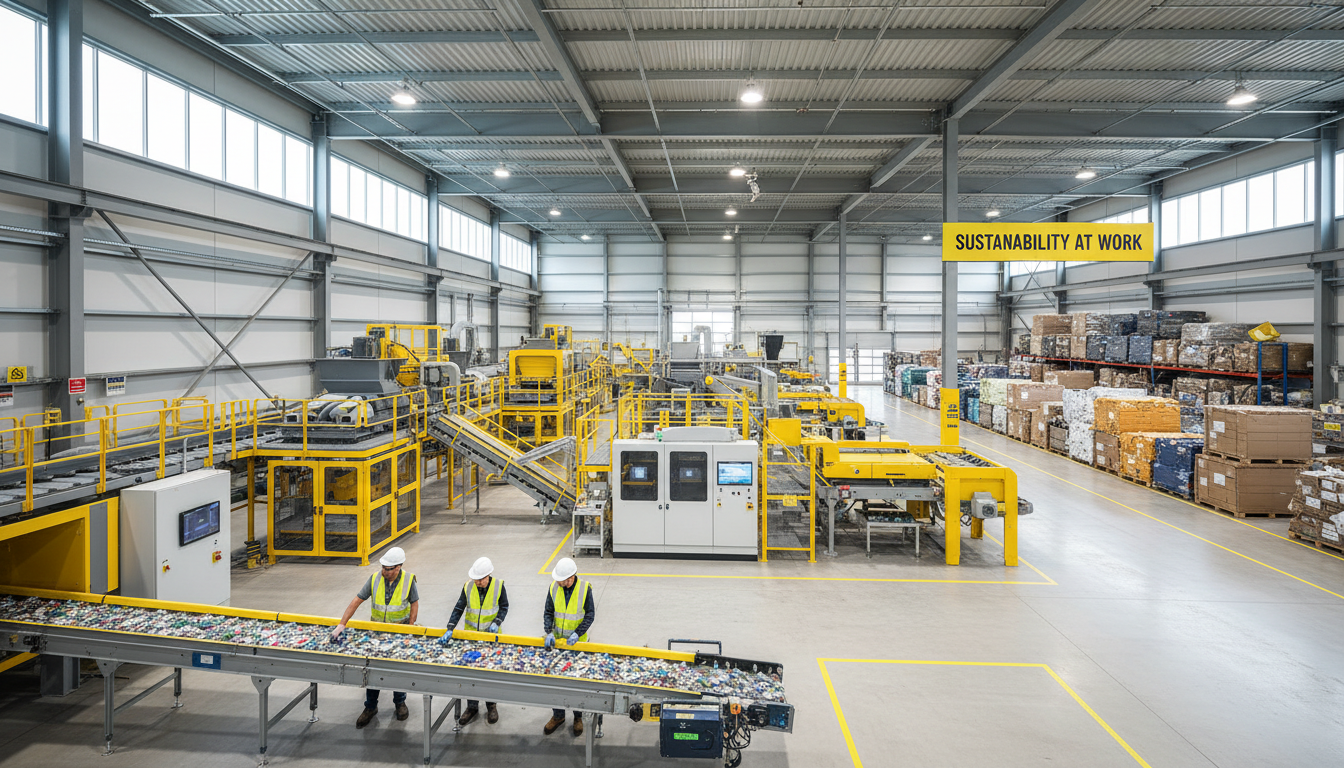
Plastic Film and Pallet Wrap: While recyclable in specialized streams, these thin plastics tangle in sorting machinery and are generally not allowed in commingled or cardboard bins.
Food Waste and Liquids: A single unwashed container or a greasy pizza box can saturate and ruin an entire load of high-value corrugated cardboard.
Treated or Painted Lumber: For construction and industrial sites, treated wood contains chemicals that make it incompatible with specialized recycling processes for clean wood fiber.
Protect your savings by adopting a Check before you chuck framework. This involves clearly labeling bins with visual guides and training staff to follow three simple rules: Keep it clean, keep it dry, and keep it loose. If an item is saturated with oil or food, or if you are unsure of its recyclability, it is more cost-effective to place it in the trash than to risk a contamination fee that negates your diversion efforts.
Beyond the Bottom Line: Compliance and Brand Value
Strict financial ROI is the foundation of any program, but the operational advantages extend into regulatory compliance and market positioning. In the Intermountain West, industrial and construction firms frequently encounter contracts that mandate specific diversion rates. Engaging in specialized recycling ensures these businesses remain eligible for government projects or LEED-certified developments, where documented waste management is a non-negotiable requirement. Staying ahead of local environmental standards prevents the risk of unexpected fines and positions a company as a compliant, low-risk partner for large-scale logistics.
Internal culture also benefits from these initiatives. Modern workforces, particularly in growing Utah hubs, show higher engagement levels when their employers demonstrate environmental stewardship. Implementing a transparent system, supported by a business waste audit to track progress, transforms waste management from a chore into a shared company goal. This commitment resonates with local consumers who increasingly favor brands that protect the regional landscape. By utilizing reliable waste collection and recycling services to manage high-volume streams, a business reinforces its reputation for professionalism and sustainability. These qualitative gains, while harder to track on a balance sheet than tipping fees, provide a competitive edge in a crowded marketplace.
Ultimately, implementing a commercial recycling program is a smart financial move that benefits both your bottom line and the local environment. While the initial setup takes some planning, the long-term savings on disposal fees make it a worthwhile investment. If you want expert help streamlining your waste management processes, we are here to guide you. You can read more about Intermountain Recycling to see how we help small businesses thrive through sustainable practices and efficient regional recycling solutions.