Proper holiday waste disposal involves separating recyclable cardboard and plain paper from non-recyclable materials such as metallic wrap, ribbons, and bows. Residents should check their local waste disposal holiday schedule to account for pickup delays and utilize community drop-off locations for Christmas trees and e-waste. Managing these materials correctly prevents contamination and ensures that holiday cleanup remains environmentally friendly and efficient.
The joy of the holiday season often concludes with a daunting sight; towering piles of cardboard, mountains of crumpled wrapping paper, and a dried-out tree taking up valuable space in your garage. For homeowners across the Intermountain region, this seasonal surge in refuse presents a significant logistical challenge. Proper disposal is not merely about tidying your home; it is a vital part of supporting local municipal systems and maintaining regional environmental standards. In this guide, we provide a professional framework for handling your post-holiday debris. You will learn the correct method for preparing bulk cardboard for collection, how to use the scrunch test for wrapping paper, and the safest ways to discard old holiday lights and batteries. We also outline tree recycling options and schedule adjustments to ensure your cleanup is both efficient and sustainable.
The Post-Holiday Waste Challenge in the Intermountain Region
The period between Thanksgiving and New Year’s Day marks a significant shift in regional waste patterns. National data indicates that household waste increases by approximately 25 percent during this window, translating to millions of tons of additional packaging, food scraps, and gift related debris entering the waste stream. For residents in Fillmore and the surrounding Intermountain area, this surge in volume arrives alongside the challenges of high elevation winters.
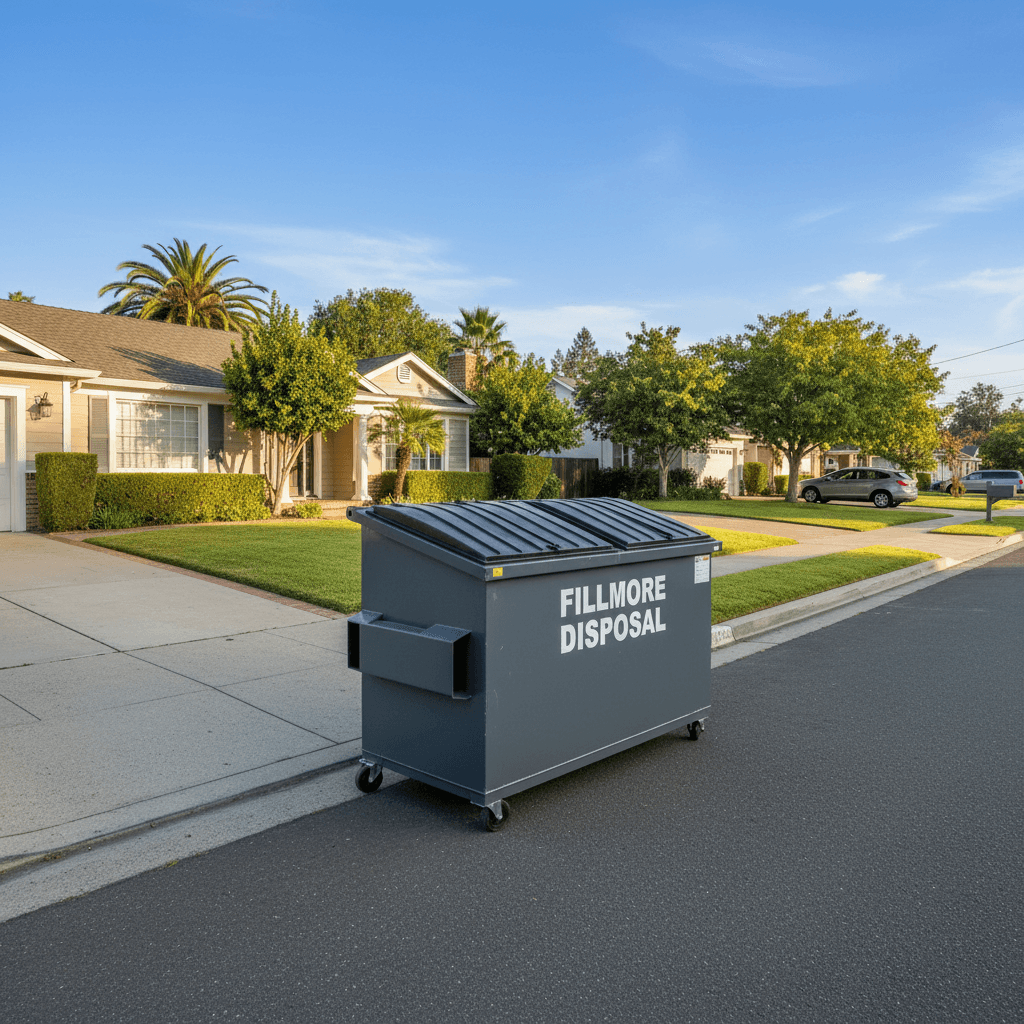
Intermountain Recycling operates as the local authority in managing this influx, providing the logistical expertise needed to maintain clean properties during peak seasons. Effective holiday waste disposal in our region requires more than just extra capacity; it demands a strategy for dealing with frozen bin lids, heavy snow accumulation, and icy residential streets. Cold temperatures can make plastic bins brittle, while heavy snowbanks often hide containers from collection crews.
Ensuring your residential waste collection remains on schedule depends on keeping bins accessible and clear of drifts. When containers are placed behind large piles of plowed snow, it slows down routing and can lead to missed pickups. By understanding the specific environmental factors of an Intermountain winter, homeowners can better navigate the post holiday cleanup while supporting sustainable local operations and keeping our communities operational.
Cardboard Box Disposal: Flattening for Efficient Collection

Online shopping peaks in December, resulting in a surge of shipping containers that can quickly overwhelm residential bins. To maintain efficient holiday waste disposal, every cardboard box must be flattened before it enters the recycling stream. Leaving boxes whole, a common form of wish-cycling, drastically reduces the volume capacity of collection trucks and residential containers. A single intact box can occupy the space of six to ten flattened ones, leading to premature overflows and unnecessary logistical strain for crews navigating icy Fillmore streets.
Proper preparation involves more than just collapsing the sides. You must remove all non-paper attachments, including plastic shipping tape, nylon-reinforced tape, bubble wrap, and styrofoam inserts. While the cardboard itself is valuable for reuse, these plastic components are contaminants that belong in the landfill bin. Detailed lists of what can be processed locally are available in our recycling resources guide.
Given the Intermountain winter climate, cardboard frequently comes into contact with snow. While damp cardboard is usually acceptable for processing, there is a limit to its recyclability. If a box has become completely saturated, mushy, or heavily soiled by road salt and slush, the paper fibers are significantly compromised. In these cases, the material should be disposed of as trash to prevent contaminating the rest of the load. Keeping your bin lids tightly closed helps ensure your cardboard remains dry enough for high-quality recycling. Avoid placing extra boxes on the ground next to the bin; they often freeze to the pavement or become buried in drifts, making them impossible for automated arms or manual crews to collect safely.
The Wrapping Paper Scrunch Test: What Can and Cannot Be Recycled
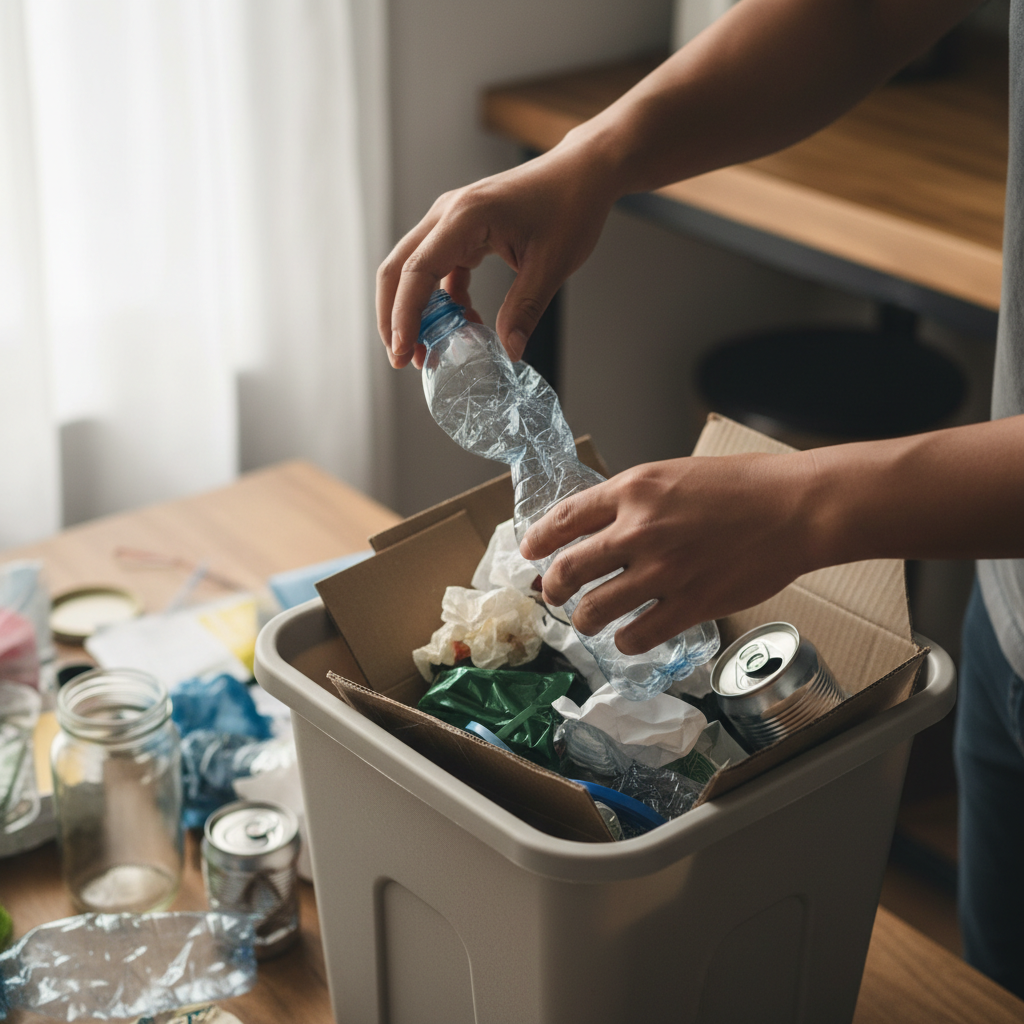
While cardboard is straightforward to process, wrapping paper presents a more complex challenge for residential holiday waste disposal. Much of what is sold as gift wrap today is actually a hybrid material containing plastic, foil, or heavy dyes that compromise the pulping process. To determine if a specific wrap is acceptable for your recycling bin, we recommend using the Scrunch Test. This simple physical assessment involves squeezing a piece of wrapping paper into a tight ball in your hand. If the paper stays scrunched, it is likely composed of high quality paper fibers and is suitable for recycling. If the ball unfolds or bounces back when you release your grip, the material contains plastic films or metallic foils that belong in the trash.
Beyond the scrunch test, specific holiday items are universally excluded from recycling streams due to their composition and the way they interact with sorting machinery. Glitter is a major contaminant; even a small amount of glittery paper can ruin an entire batch of recycled pulp. Similarly, metallic foil wrap and tissue paper, which has fibers too short and thin for effective reuse, must be placed in the landfill container.
Item Category | Disposal Method | Why? |
|---|---|---|
Plain Paper Wrap | Recycle | High quality fibers; passes scrunch test. |
Glitter/Metallic Wrap | Trash | Plastic and metal coatings contaminate paper pulp. |
Tissue Paper | Trash | Fibers are too weak and short for recycling. |
Ribbons and Bows | Trash | Synthetic materials that tangle in sorting gears. |
It is also critical to remove all ribbons and bows before placing any paper in the bin. These items are notorious tanglers that can jam the rotating screens used to sort recyclables, leading to equipment downtime and safety risks for crews. For a comprehensive look at what we can process at our Fillmore facility, you can review our recycling resources page. By keeping these non-recyclable materials out of the stream, you help maintain the efficiency of our operations during the peak Intermountain winter season.
Christmas Tree Recycling: Real vs Artificial Options
Once the decorations come down, the disposal method for your tree depends entirely on its composition. Real trees are organic matter that can be repurposed into nutrient rich mulch for local parks or landscaping projects across the Intermountain region. To participate in these regional diversion programs, you must thoroughly strip the tree of all non-organic materials. This includes removing every strand of tinsel, all ornaments, lights, and the tree stand itself. Tinsel is particularly problematic because these thin plastic strips do not biodegrade and can contaminate large batches of mulch, rendering the final product unusable for professional landscaping.
Artificial trees require a different approach for holiday waste disposal. These items are constructed from a complex mix of PVC plastics and steel frames, which makes them impossible to process through standard sorting equipment. If an artificial tree is still in good condition, donation to a local thrift store or charity in the Fillmore area is the most sustainable choice. However, if the tree is broken or missing sections, it is categorized as bulky waste rather than recycling.
Tree Type | Disposal Method | Preparation Required |
|---|---|---|
Real (Live) | Mulching/Composting | Remove all tinsel, lights, and stands. |
Artificial (Good Condition) | Donation | Box all parts together for reuse. |
Artificial (Damaged) | Bulky Waste | Do not place in curbside recycling bins. |
Standard containers cannot accommodate these large, mixed material items. If you are unsure about the scheduling for oversized items, our residential waste collection guidelines provide specific details on how to arrange for bulky load pickups. For a complete list of what constitutes acceptable organic waste in our local streams, you can consult our recycling resources page. By properly preparing your tree, you ensure that natural materials return to the local environment as mulch rather than taking up valuable space in a landfill.
Handling Holiday Lights and Batteries Safely

Managing the smaller components of holiday decor requires a different safety protocol than handling cardboard or trees. String lights, while composed of plastic and copper, are categorized as "tanglers" in the recycling industry. When these items are placed in curbside bins, they wrap around the rotating screens and shafts of sorting machinery. This creates significant mechanical failures and forces crews to manually cut them out; a process that presents a safety risk and halts local operations. String lights must never go in your residential recycling bin. They should be taken to a specialized scrap metal recycler or an e-waste drop-off location.
Batteries and LED bulbs also require specific handling to prevent fires and environmental contamination. LED bulbs contain small amounts of electronic components and should be treated as e-waste rather than standard glass. For power sources, it is important to categorize them correctly before disposal:
Battery Type | Disposal Method | Reason |
|---|---|---|
Alkaline (AAA, AA, C, D, 9V) | Standard Trash | Generally classified as non-hazardous in most jurisdictions; however, check local Fillmore updates. |
Lithium-Ion/Rechargeable | Hazardous Waste Drop-off | High fire risk; these can ignite if punctured by collection truck compactors or sorting equipment. |
Button Cells (Watch batteries) | Hazardous Waste Drop-off | Often contain mercuric oxide or silver oxide which require specialized handling. |
Lithium-ion batteries are a primary concern for holiday waste disposal safety. These are commonly found in rechargeable toys, wireless electronics, and modern decorations. If these batteries end up in a standard collection truck or a processing facility, the pressure from compaction can cause them to explode or start intense chemical fires. To protect our crews and your property, ensure all rechargeable batteries are removed from devices and taken to a certified collection point. For a more comprehensive look at managing tech-related scrap, refer to our electronics recycling guide. Proper sorting of these high-risk items is essential for maintaining a safe and functional waste stream throughout the winter months.
Holiday Waste Collection Schedules: Planning Your Pickup
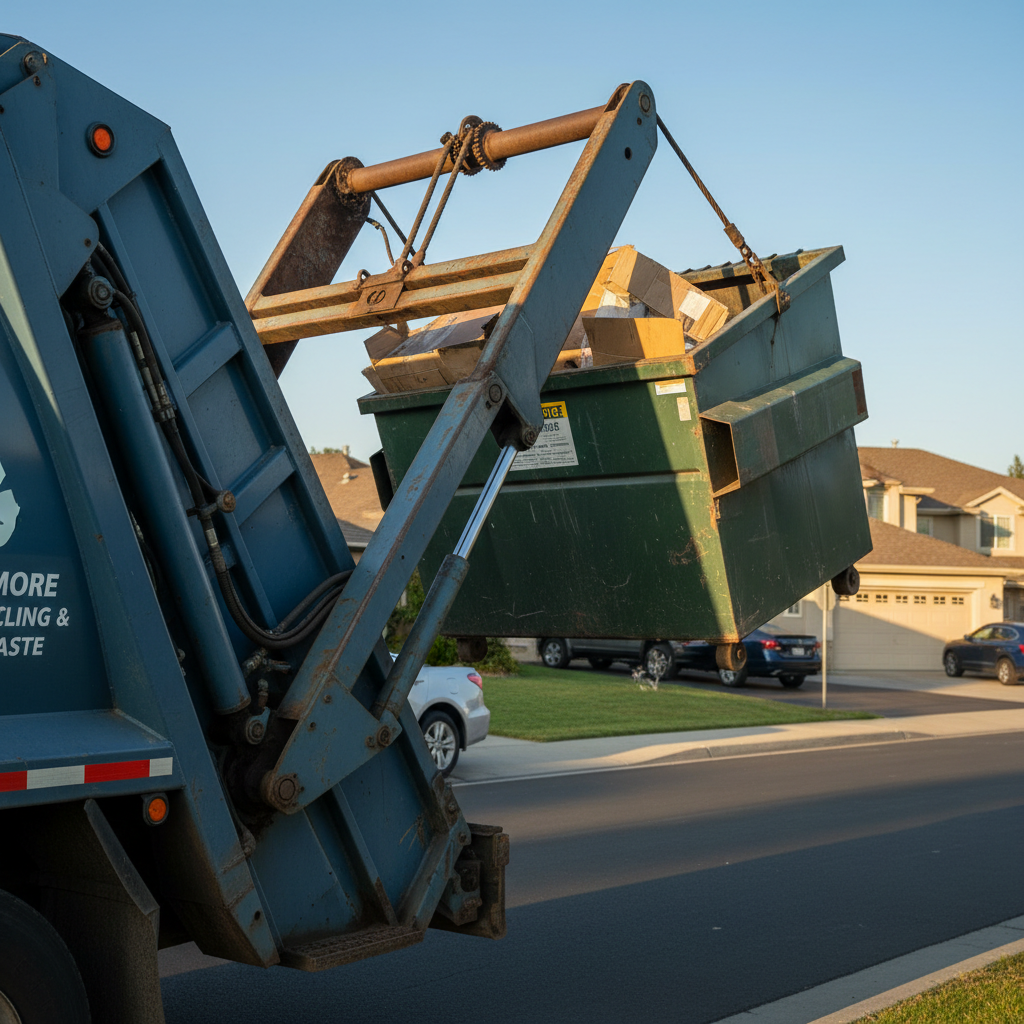
Maintaining an efficient holiday waste disposal plan requires monitoring the adjusted service calendar. Major holiday observances, specifically Christmas Day and New Year’s Day, typically trigger a "slide" schedule. If your standard collection falls on the holiday or any day following it within that week, your pickup will likely be delayed by one business day. For example, a Tuesday pickup moves to Wednesday, and Friday services are completed on Saturday. Normal routing resumes the following week.
In the Intermountain region, winter weather adds another layer of complexity to residential waste collection. High winds can easily tip empty containers, spreading debris across frozen properties. We recommend securing bin lids and retrieving containers promptly after they are emptied to prevent them from becoming hazards. Furthermore, snow removal efforts often create large berms at the edge of driveways. Ensure your bins are placed in a cleared area visible to our crews and accessible to the collection truck's mechanical arm. Placing a bin on top of a snowbank or behind a tall drift makes it impossible for our drivers to service the stop safely. Always verify your specific neighborhood dates by reviewing our local service calendar to avoid missed pickups during the peak winter season.
Sustainable Cleanup: Reducing Next Year's Holiday Trash
Planning for the next season now is the most effective way to simplify your holiday waste disposal for years to come. Shifting toward a circular approach reduces the volume of material that enters the bin every January. Swap traditional paper for reusable fabric gift bags or durable decorative containers. These items can be stored and used for decades, eliminating the annual need to manage discarded rolls and scraps that often fail the scrunch test.
When shopping, prioritize products packaged in high quality cardboard rather than molded plastics or non-recyclable clamshells. This ensures your residential waste collection bin stays manageable and focuses on highly recoverable materials. Food scraps represent another major portion of winter waste volume. Establishing a backyard composting system for vegetable peels and coffee grounds keeps organic matter out of the landfill while creating valuable soil for your spring garden in Fillmore. For more guidance on optimizing your household flow, our recycling resources page offers detailed strategies for waste reduction. Small adjustments in procurement and reuse significantly lower the environmental footprint of our Intermountain communities.