Proper household hazardous waste disposal involves taking toxic items like oil-based paints, chemicals, and electronics to designated drop-off sites or community collection events rather than placing them in regular bins. To ensure safety, residents should contact their local household hazardous waste facility or use specialized pickup services to manage materials that are flammable, corrosive, or reactive.
Many homeowners find themselves with a corner of the garage filled with old paint cans, used motor oil, or leftover pesticides, unsure of how to clear the clutter safely. While it is tempting to toss these items into your weekly trash pickup, doing so creates significant risks for our local Intermountain environment and the safety of our waste management teams. These substances require specialized handling to prevent groundwater contamination and chemical reactions during transport. In this guide, we will break down exactly what constitutes household hazardous waste and how to manage it effectively. You will learn the critical differences in paint disposal, the proper protocols for automotive and pool chemicals, and the best practices for transporting these materials to local collection sites. By following these expert steps, you can ensure your home remains safe while protecting our shared natural resources.
What Is Household Hazardous Waste (HHW)?
What is household hazardous waste? In practical terms, it includes leftover products from your home or garage that contain chemicals which are toxic, flammable, corrosive, or reactive. While items like food scraps and paper are safe for reliable waste collection services, HHW requires specialized management. These products often feature warning labels such as 'poison,' 'danger,' or 'caution' and include everything from caustic drain openers to volatile paint thinners.
Unlike standard refuse, these materials pose immediate threats to our crews in Fillmore if they leak or ignite inside a collection vehicle. They also risk contaminating local groundwater if they reach a standard landfill. Because these items can burn, eat through containers, or react with other materials, they must never be mixed with your regular trash. Proper identification ensures that these chemicals are handled with the specialized care needed to protect the Intermountain region’s environment and keep our operations running safely.
Why Proper Household Hazardous Waste Disposal Matters for the Intermountain Region
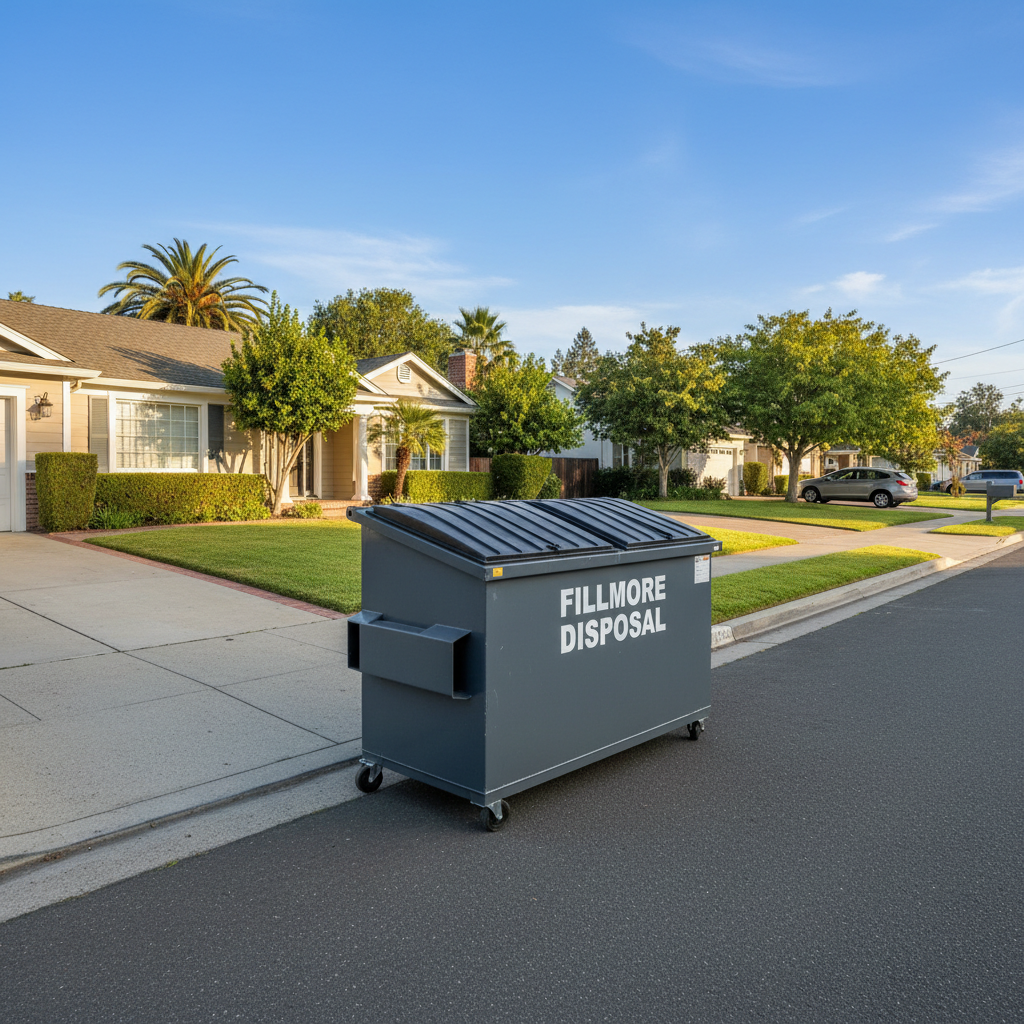
Proper household hazardous waste disposal is more than a regulatory requirement; it is a critical safety practice for our community. When residents attempt to "wish-cycle" or hide chemicals in regular bins, they create invisible hazards that manifest during the collection process. The primary danger involves fire. Collection trucks use high-pressure compaction systems that can easily rupture lithium-ion batteries or aerosol cans. This often leads to spontaneous combustion or chemical fires that are difficult to extinguish, putting our drivers and expensive equipment at risk.
Beyond immediate fire risks, liquid toxins pose a long-term threat to the local environment. While standard landfills are engineered for solid waste, they are not designed to contain concentrated chemicals that can leach into groundwater. Protecting the water table in the Intermountain region requires keeping corrosive and reactive materials out of the soil. Additionally, our crews face direct exposure to splashes or fumes from improperly discarded fluids, which can cause severe injury. Note that these practices are not just unsafe but often illegal. Violating disposal regulations can result in substantial fines from state and local authorities. For those unsure about specific items, reviewing recycling resources for Fillmore helps ensure every load remains compliant and safe for everyone involved.
The Essential Guide to Paint Disposal: Latex vs. Oil Based
Paint is the most frequently misunderstood item in residential waste management. When dealing with old cans in your garage, the first step is identifying the chemical base. This introduces the Parent Paradox of paint disposal: latex paint is generally not considered household hazardous waste once it is completely solidified, whereas oil based paint remains hazardous regardless of its state.
To safely manage latex (water based) paint, you must ensure it is no longer a liquid before it enters our collection trucks. If you are wondering how to dispose of latex paint, follow these steps to harden it effectively:
Add an absorbent material like clay based cat litter, sawdust, or a commercial paint hardener to the can.
Stir the mixture until it reaches a thick, oatmeal like consistency.
Leave the lid off and allow it to sit until the mixture is completely dry and hard to the touch.
Place the hardened paint can in your regular trash bin, but leave the lid off so our crews can verify the material is solid.
Oil based paints, stains, and varnishes require a strictly different approach because they contain flammable solvents and resins. These products are high priority items for household hazardous waste disposal and should never be placed in your curbside bin, even if they appear dry. These materials must be taken to a designated HHW collection site in Millard County to prevent chemical leaks and fire hazards. If you have a large volume of leftover materials from a commercial project or a property cleanout, contact Intermountain Recycling to discuss the safest logistics for your specific situation.
Safe Handling of Automotive Waste: Motor Oil, Antifreeze, and Batteries
Automotive maintenance generates some of the most persistent contaminants found in residential garages. Motor oil is a primary concern because it does not wear out; it simply gets dirty and remains highly toxic. A single gallon of used motor oil has the potential to contaminate one million gallons of fresh water. It must never be poured down a drain, into a storm gutter, or directly onto the soil, as these actions lead to severe environmental degradation and potential legal penalties.
Lead-acid car batteries represent a different challenge. Although they are among the most successful examples of a circular economy, with a recycling rate of nearly 100 percent, they are strictly prohibited in standard waste bins. The heavy lead and corrosive sulfuric acid they contain pose significant chemical burn risks to waste crews and can cause equipment damage during compaction.
Similarly, antifreeze and transmission fluids are highly toxic substances that can be fatal if ingested by pets or wildlife. These fluids should be kept in original or clearly labeled, leak-proof containers with tight lids. Because these materials require specialized processing to neutralize their toxicity, they must be delivered to a professional drop-off location rather than mixed with standard refuse. If you have questions about the logistics of clearing out a large collection of garage chemicals, you can contact Intermountain Recycling for guidance on compliant handling practices throughout the Intermountain region.
Garden and Pool Chemicals: Why Pesticides and Chlorine Need Care
Maintaining a lush lawn or a clear pool in Fillmore requires products that are chemically reactive by design. Pool chemicals, particularly chlorine and other oxidizers, present a unique threat to waste crews. When these substances come into contact with organic material or moisture inside a collection truck, they can cause spontaneous combustion. This chemical reaction generates intense heat and fire without an external spark, making them some of the most dangerous items to include in regular household hazardous waste disposal.
Garden products like pesticides, herbicides, and fertilizers are engineered to be toxic to specific organisms, but they remain hazardous to humans and groundwater if mismanaged. Even containers that appear empty often retain concentrated residues. Millard County regulations frequently require triple rinsing for certain agricultural or garden containers, though many professional disposal sites prefer you keep products in their original packaging with labels intact for identification. Keeping these reactive agents out of your standard bin ensures that our collection routes remain safe and that chemicals do not leach into the local environment. If you have questions about specific chemical storage, you can contact Intermountain Recycling for guidance on local disposal standards.
Electronics and Mercury: Specialized Disposal Needs

Beyond chemical liquids and powders, physical objects like electronics and mercury containing devices present unique challenges for household hazardous waste disposal. Mercury is found in older fever thermometers and compact fluorescent lamps (CFLs). Because mercury is a persistent neurotoxin, even small amounts released from a broken bulb or thermometer can contaminate a collection vehicle or a residential area. These items are strictly prohibited in standard waste bins to protect our staff and the local Fillmore environment.
Parallel to mercury risks is the rise of e-waste, specifically devices powered by lithium ion batteries. Laptops, tablets, and cordless power tools rely on these high energy cells. When these batteries are crushed by our truck compactors, they can undergo thermal runaway, leading to intense, difficult to control fires. This is currently one of the greatest safety threats to collection crews. For all mercury items and electronics with integrated batteries, residents should utilize specialized e-waste programs rather than curbside services. If you need help identifying which items fall into these categories, you can review our recycling resources for Fillmore or contact Intermountain Recycling for expert advice.
How to Transport Hazardous Waste Safely to a Collection Site
Identifying hazardous items is only the first step; the manner in which you transport these materials to a facility determines your immediate safety. Start by ensuring all products remain in their original containers. Original labels are essential for facility staff to quickly identify and process materials according to regional standards. If a lid is loose or a container is leaking, place the entire item inside a secondary, sealable plastic container rather than attempting to pour the contents into a new vessel.
When loading your vehicle, pack items upright in a sturdy cardboard box or plastic crate. Do not stack containers, as this increases the risk of crushing or tipping. Use crumpled newspaper to fill gaps between items, preventing them from shifting during transit. Crucially, never mix different chemicals in the same container; even seemingly similar products can react violently when combined. For optimal safety, transport your load in a truck bed or trunk to keep fumes away from the passenger cabin. If you are coordinating a large scale cleanup, you can contact Intermountain Recycling to ensure your logistics remain safe and compliant.
Finding Household Hazardous Waste Disposal Near Me in the Intermountain Region
Residents in Fillmore and the surrounding Millard County area often search for local solutions when their garages become cluttered with chemicals. While Intermountain Recycling provides reliable waste collection services for routine needs, specific laws restrict hazardous items from our standard residential and commercial routes. This protects the safety of our crews and ensures environmental compliance.
For typical residential volumes, your best resource is the Millard County landfill or scheduled household hazardous waste disposal events held throughout the year. These events provide a safe, legal avenue for dropping off the paints, oils, and reactive chemicals discussed in this guide. If you are managing a large-scale industrial cleanup, a construction site, or a commercial property cleanout involving hazardous materials, standard drop-off events may not be sufficient. In these instances, you should engage professional environmental consultants who specialize in compliant manifest tracking and specialized chemical handling. For further clarification on local regulations or to discuss your specific site needs, you can contact Intermountain Recycling directly.