The average dumpster rental costs between $250 and $600 per week, with specific pricing determined by the container size and debris weight. Choosing the right size requires matching your project scope to 10, 20, 30, or 40 yard options while accounting for material types to avoid unexpected overage fees. Proper planning for volume and placement ensures a cost effective waste management solution for any renovation or cleanout.
Home renovations, construction cleanups, and industrial site clearing often result in massive debris piles that stall project momentum. Managing waste disposal is frequently the most stressful part of any job because of unexpected costs and logistical delays. Choosing the wrong container size or failing to account for local regulations can quickly blow your budget and lead to unnecessary fines. In the Intermountain region, precision in waste management is essential for keeping your site safe and your timeline on track. This guide provides the expert insight you need to navigate the rental process with confidence. We will cover how to select the right bin size for your specific project, explain the variables that influence local pricing, and detail how to avoid common pitfalls like overage fees. From material restrictions to permit requirements in Fillmore, you will learn how to streamline your disposal strategy effectively.
Navigating Dumpster Rental in the Intermountain Region
Effective project management in the Intermountain region often hinges on how efficiently you handle debris. From residential basement cleanouts in Fillmore to sprawling commercial developments across rural Utah, standard curbside bins are rarely sufficient for the volume of waste generated. Selecting a dumpster rental provides the necessary capacity for these tasks; however, the process involves more than just picking a container. Miscalculating the volume of your debris or disregarding weight limits can result in significant overage fees and logistical delays.
Intermountain Recycling operates as a local specialist with a deep understanding of regional geography and logistics. We recognize that a dumpster placement for a home renovation on a narrow residential street requires a different approach than servicing a high-traffic construction site. Our crews utilize modern equipment and organized routing to ensure that every delivery and pickup is handled with precision. By coordinating professional waste collection and recycling services, we help property owners avoid common pitfalls like property damage or regulatory non-compliance. For those evaluating their options, understanding Bulk Trash Pickup costs and rules is a helpful starting point. To discuss specific site requirements or schedule a delivery, you can contact our team in Fillmore directly.
Standard Dumpster Sizes: Which Bin Fits Your Project?
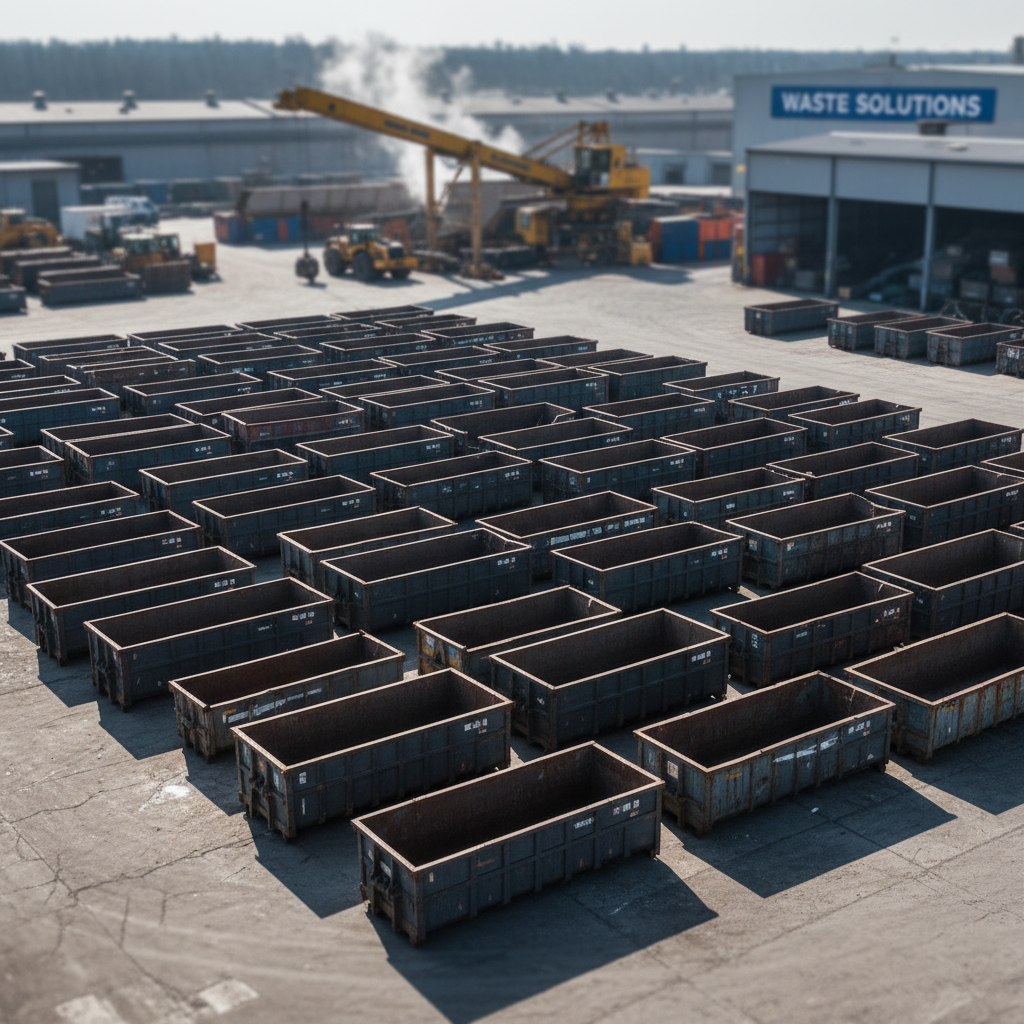
Selecting the correct container capacity requires an accurate assessment of your debris volume. Estimating by eye is difficult, so we use pickup truck loads as a standard benchmark. A standard pickup truck bed generally holds about 2.5 cubic yards of loose material. Using this metric, you can better visualize how much space you actually need for your specific project before the bin arrives on site.
Dumpster Size | Pickup Truck Equivalent | Recommended Project Type |
|---|---|---|
10 Yard | ~4 Loads | Small bathroom remodels, garage cleanouts, or heavy yard waste. |
20 Yard | ~8 Loads | Deck removals, large flooring projects, or basement finishing. |
30 Yard | ~12 Loads | Major home additions, full kitchen renovations, or siding replacement. |
40 Yard | ~16 Loads | Commercial roofing, new home construction, or full estate cleanouts. |
For smaller residential tasks in Fillmore, a 10 yard dumpster rental is frequently sufficient. These bins are compact enough to fit in tight driveways while handling the equivalent of four full truckloads of old drywall or clutter. As projects scale up to include deck removals or removing several hundred square feet of flooring, the 20 yard bin becomes the industry standard. It provides a balance of capacity and footprint, making it manageable for residential streets while offering twice the volume of the 10 yard option.
A frequent question our team receives is whether to choose a 20 or 30 yard dumpster. If you find yourself on the fence between these two sizes, it is almost always more economical to upsize. The cost difference between a 20 yard and a 30 yard bin is relatively small compared to the expense of a second haul. If you underestimate your waste volume and fill a 20 yard bin before the project is finished, you will be forced to pay for a swap, which includes a second delivery fee and additional rental costs. Choosing the larger size provides a buffer for bulky items that do not pack down tightly.
For large scale commercial developments or complete estate liquidations, the 40 yard bin is the most efficient choice. These containers are designed for high volume waste, such as commercial roofing materials or large quantities of demolition debris. Using a 40 yard bin minimizes the number of trips our crews need to make to your site, which keeps your project timeline on track and reduces truck traffic on your property.
Understanding Dumpster Rental Costs and Local Pricing Factors
In the Intermountain region, a standard dumpster rental typically ranges from $250 to $600 depending on the specific project parameters. While the physical size of the container is a primary driver of cost, several regional factors influence the final invoice. For instance, the distance between your site in Fillmore or a neighboring municipality and the nearest disposal facility impacts fuel and transportation costs. Local providers like Intermountain Recycling prioritize efficient routing to keep these logistical expenses manageable, whereas national brokers often lack this regional precision.
Pricing structures generally fall into two categories: flat rate and variable. Flat rate pricing is often preferred for its predictability; it bundles delivery, pickup, a set weight allowance, and a specific rental duration into one upfront cost. Variable pricing may offer a lower base rate but includes separate charges for the actual weight of the debris once it is processed at the landfill. This distinction is vital when disposing of heavy materials like roofing or masonry, where the tonnage can quickly escalate.
Pricing Factor | Common Impact on Cost |
|---|---|
Debris Type | Household junk is standard; dense materials like concrete or dirt often require specialized rates. |
Rental Duration | Standard agreements usually cover 7 to 14 days. Daily extension fees apply thereafter. |
Disposal Proximity | Rural or remote sites may incur higher transport fees based on mileage to the landfill. |
Weight Limit | Exceeding the pre-set tonnage for a bin triggers additional per-ton overage charges. |
Working with a local operator offers significant financial advantages over booking through national brokers. Third party brokers act as middlemen, adding hidden service fees and administrative markups to the price they receive from local haulers. By dealing directly with the company owning the equipment, you receive more transparent scheduling and quotes that reflect actual local tipping fees. To get a precise estimate for your project, you can contact our team in Fillmore for a breakdown of current rates and availability.
How Weight Limits and Overage Fees Work
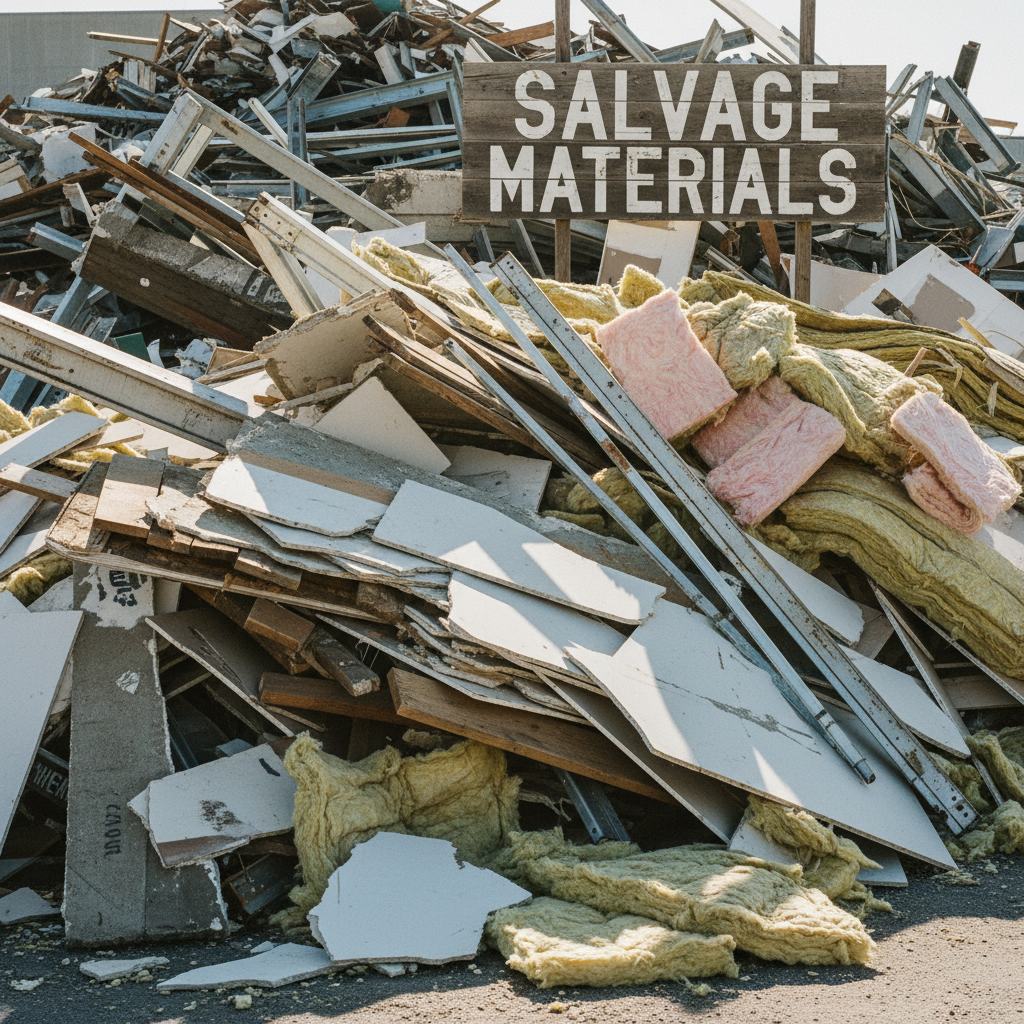
Understanding the distinction between volume and weight is vital for managing the total cost of your project. While a dumpster rental is categorized by its volume in cubic yards, every container also has a specific weight limit measured in tons. Volume refers to the three-dimensional space inside the bin, whereas weight refers to the mass of the materials placed within it. It is entirely possible to fill a bin only halfway with dense materials and still exceed the weight limit allowed by the truck’s lifting mechanism or local road regulations.
Heavy materials are the most common cause of overage fees. For example, roofing shingles are deceptively heavy; a single "square" of shingles, which covers 100 square feet, weighs approximately 250 lbs. A standard residential roof replacement can easily contribute several tons of waste. Similarly, materials like concrete, brick, dirt, and sod are extremely dense. Filling a 20 yard bin to the top with dirt would likely make the container impossible to lift safely. If your project involves these specific materials, contact our team in Fillmore to discuss specialized waste collection and recycling services designed for heavy loads.
Overage fees are not determined at the curb. Instead, they are calculated after the bin is transported to the disposal facility and weighed on a certified scale. If the total weight exceeds the tonnage included in your initial quote, a per-ton fee is applied to the final invoice. Because weight is recorded at the facility, environmental factors play a role in your final cost.
In the Intermountain region, rain and snow can significantly impact your total tonnage. Porous materials like old carpeting, drywall, and untreated wood act like sponges, absorbing moisture and increasing the load weight by hundreds of pounds. To prevent weather-related overage fees, we recommend securing a heavy duty tarp over the top of the bin during storms. This simple step keeps your debris dry and ensures you only pay for the weight of your actual waste.
What You Can and Cannot Put in the Bin
While managing the weight of your load is essential for your budget, the composition of that waste is equally important for safety and environmental compliance. Most projects involving a dumpster rental focus on general debris, which typically includes household furniture, yard waste, and standard construction materials like lumber, drywall, and shingles. These items are easily processed at local landfills and recycling centers. However, strict regulations govern what can be transported in a standard open top container to protect groundwater and local soil quality.
Prohibited items often require specialized handling because they contain hazardous chemicals or components that do not degrade safely. Placing these in a bin creates contamination, which leads to extra fees or may cause a driver to refuse the pickup entirely to avoid violating transport laws. In some cases, the landfill may reject the entire load, resulting in significant logistical costs for the customer.
Category | Prohibited Items (Do Not Place in Bin) |
|---|---|
Hazardous Waste | Paint, oils, fuels, pesticides, and cleaning chemicals. |
Electronics | Computers, televisions, and lithium-ion batteries. |
Appliances | Refrigerators, freezers, and air conditioners containing Freon. |
Automotive | Tires, lead-acid batteries, and used motor oil. |
If your project involves the removal of electronics or cooling appliances, Intermountain Recycling offers specialized waste collection and recycling services to ensure these items are processed according to regional standards. For smaller amounts of difficult waste, checking our guide on Bulk Trash Pickup costs and rules can help you decide if a separate pickup is more efficient than a container. If you are uncertain about a specific material, you should contact our team in Fillmore before loading it into the container to avoid unexpected contamination charges and keep your project compliant.
Local Logistics: Placement and Permits in Fillmore and Beyond
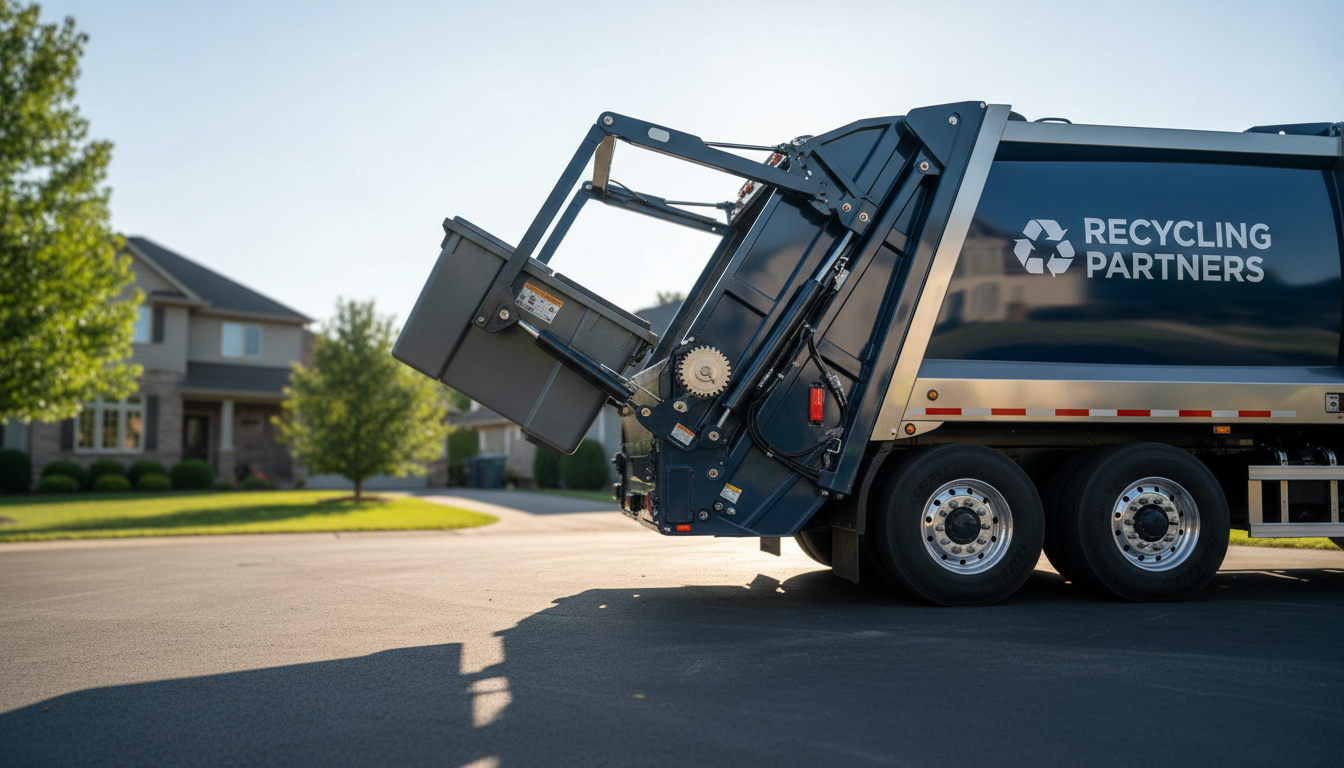
Preparing your site for delivery is the final step in a successful project. Our experienced crews use modern equipment to navigate tight residential streets and busy job sites, but they require specific clearances to operate safely. A standard roll off truck needs at least 20 feet of vertical clearance to extend its hydraulic arm and slide the bin into place. You should check for low hanging tree branches, power lines, or building eaves before the truck arrives to avoid delays or equipment interference.
For driveway placement, we recommend laying down wood planks or thick plywood to distribute the weight of the bin and protect the underlying surface from scratches or stress cracks. If your project requires placing the dumpster rental on a public street, you must check local ordinances in Fillmore or your specific municipality. Many Intermountain towns require a temporary right of way permit for street placement to ensure traffic safety and utility access. If you have questions about regional permit requirements or site preparation, contact our team in Fillmore to ensure a seamless delivery and pickup process.
Selecting the right dumpster size and managing project costs effectively ensures your cleanup stays on track and within budget. By understanding potential fees and capacity limits, you can avoid common pitfalls that often lead to unnecessary expenses. While handling these details independently is possible, the process is much easier with the right guidance. If you want expert help to streamline your waste management, you can learn more about our team and how we support local projects. We are here to make your next rental simple and stress-free.