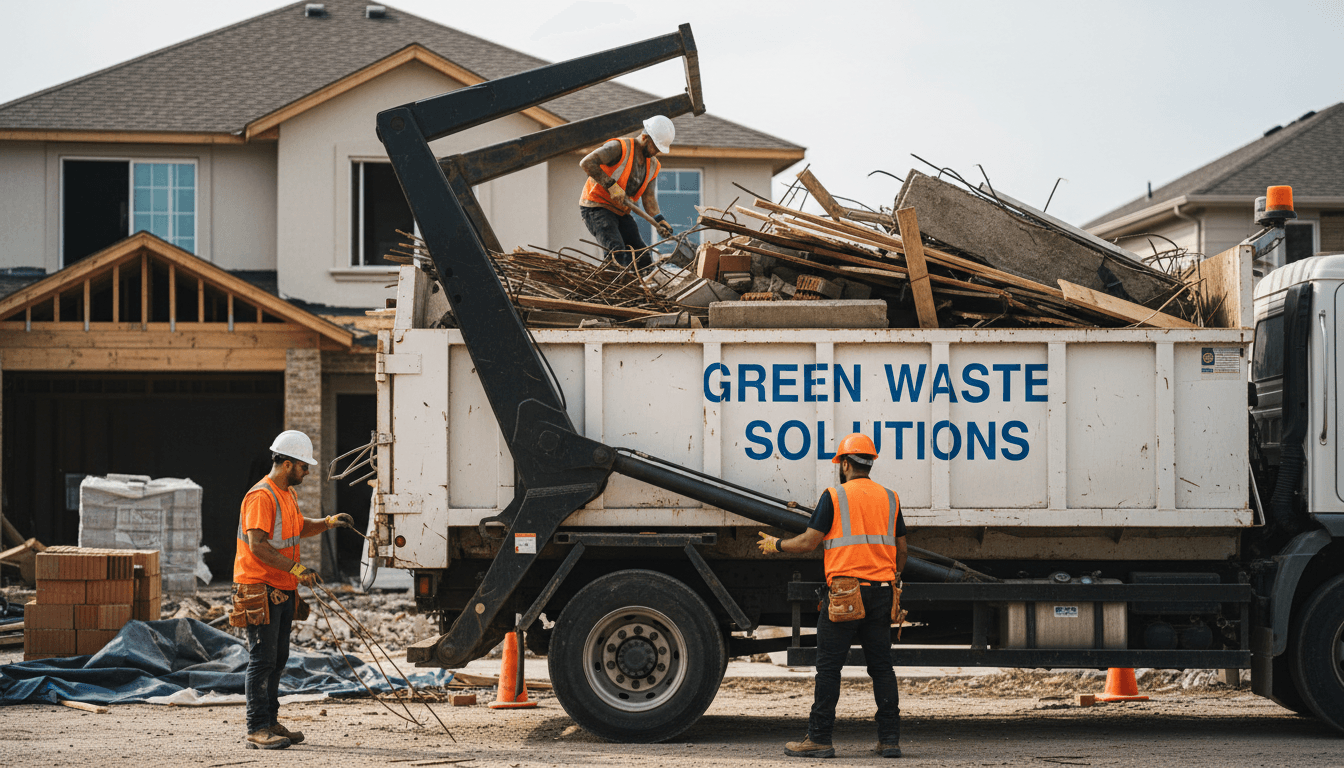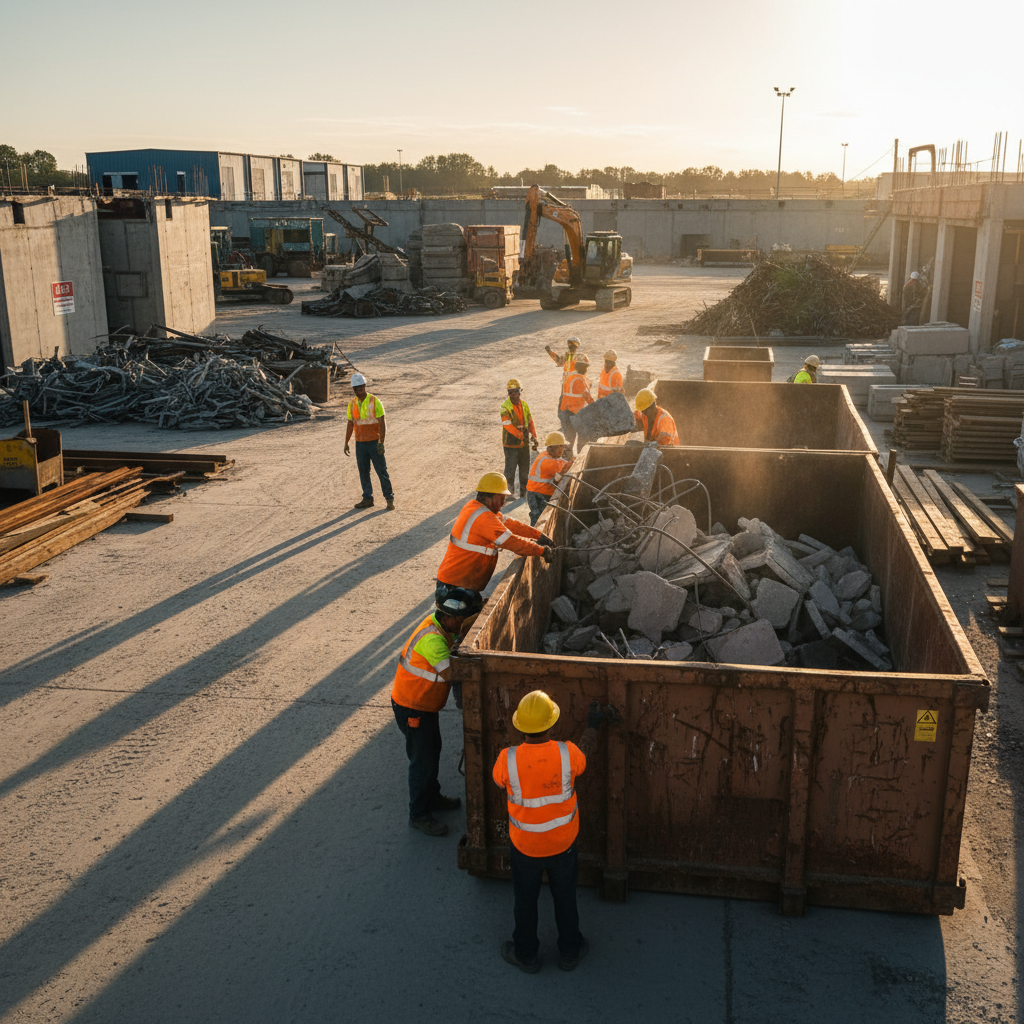
Contractors significantly lower disposal costs by implementing a construction waste recycling plan that focuses on salvaging materials and reducing waste at the source. This strategy allows businesses to avoid expensive tipping fees and landfill surcharges by diverting recyclable wood, metal, and masonry back into the supply chain; additionally, it streamlines site logistics for improved efficiency.
Every contractor knows the frustration of watching rising tipping fees and transportation costs eat away at a project’s narrow profit margins. When your site is cluttered with mixed debris, you are likely paying premium rates to haul away materials that still hold significant value. Developing a structured construction waste recycling plan is no longer just a checkbox for green building certifications. It is a critical operational strategy designed to minimize disposal overhead and streamline your job site logistics. In this guide, we will examine how to conduct a thorough pre-construction waste audit and implement efficient on-site source separation. You will learn how to identify high-value recyclables like concrete and metal, how to train your crew for maximum compliance, and how to track your diversion rates to prove the financial impact of your efforts.
The Financial Case for a Construction Waste Recycling Plan in Utah
Contractors across Utah and the Intermountain region are operating in an environment of tightening margins and rising operational overhead. One of the most significant, yet often overlooked, drains on a project budget is the cost of disposal. Landfill tipping fees throughout the state are steadily climbing; this reality has transformed the implementation of a construction waste recycling plan from a voluntary green initiative into a fundamental budget necessity.
The financial incentives for diverted waste are quantifiable. By integrating recycled components into new builds and diverting reusable materials, businesses can save approximately 25 percent on raw material costs. Even more substantial savings are found on the back end by avoiding the heavy debris surcharges that local landfills now impose on mixed, heavy loads. For a large scale project, these surcharges can easily run into the thousands of dollars if the waste stream is not managed at the source.
Geography also plays a critical role in the fiscal health of a project. In the Intermountain region, the logistics of hauling materials to facilities in Fillmore or Salt Lake City can drastically impact the bottom line if not managed correctly. Long hauling distances require streamlined logistics to minimize fuel consumption and labor hours spent in transit. Companies that prioritize reliable waste collection and recycling services ensure that bins are turned over efficiently, preventing the hidden costs of site congestion and project delays. By viewing waste as a managed asset rather than an afterthought, contractors in Fillmore and the surrounding counties can protect their profits from being buried in a landfill.
Construction Debris vs Trash: Understanding the Waste Stream
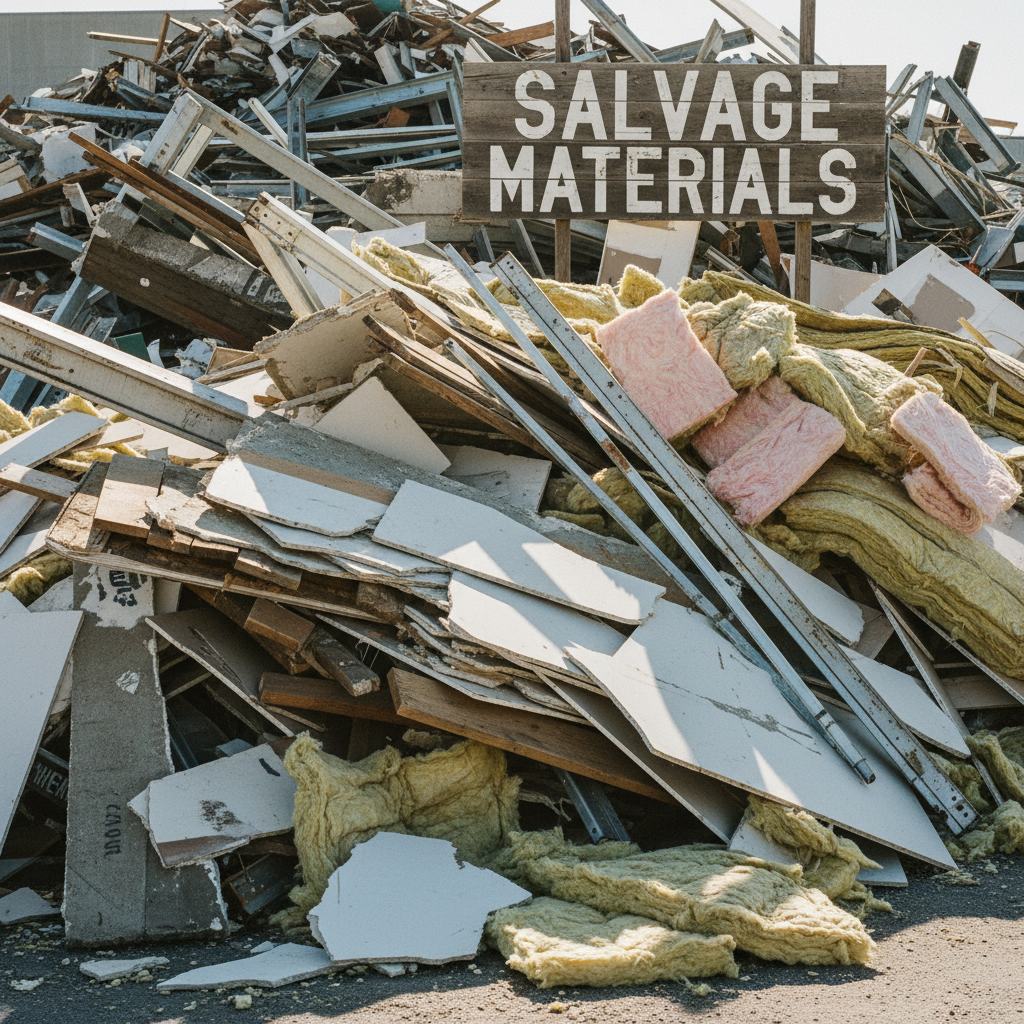
Differentiating between municipal solid waste (MSW) and construction and demolition (C&D) debris is the first step in optimizing a project budget. Standard trash consists of non-recyclable refuse, such as food waste or non-recoverable packaging, which belongs in a landfill. In contrast, C&D materials are heavy, bulky structural components that the EPA classifies as commodities. When managed through a construction waste recycling plan, these materials retain value for secondary markets rather than simply incurring high disposal fees.
Category | Construction Debris Examples | Potential Reuse or Value |
|---|---|---|
Metals | Copper wiring, aluminum siding, rebar | High scrap value; 100% recyclable |
Aggregates | Concrete, brick, masonry blocks | On-site fill or crushed road base |
Wood | Clean scrap lumber, pallets, plywood | Mulch, animal bedding, or biomass fuel |
Other | Asphalt shingles, gypsum drywall | New roofing products or soil amendments |
This construction debris list highlights items frequently generated on Utah job sites. Identifying these materials as assets rather than garbage allows for better sorting and significantly lower tipping costs. For example, copper wiring and clean scrap lumber should never be mixed with general refuse. Mixing these items turns a valuable commodity into expensive trash. By consulting local recycling resources and recognizing the inherent value of these materials, contractors can maintain a cleaner, safer worksite while protecting their bottom line from unnecessary landfill surcharges.
Step 1: Perform a Pre-Construction Waste Audit
Before breaking ground, successful contractors in Fillmore and the surrounding counties establish a baseline for their construction waste recycling plan by conducting a thorough audit. This process begins with quantifying expected debris based on project scale and material selection. By reviewing site plans and structural requirements, you can estimate the tonnage of concrete for foundations or the board footage of lumber for framing.
A high-quality audit applies the '5 Rs' of waste management to minimize costs: - Refuse: Decline unnecessary packaging from vendors. - Reduce: Optimize cuts to minimize scrap through precise design. - Reuse: Salvage materials like old fixtures for on-site needs. - Repurpose: Use clean wood off-cuts for temporary site structures. - Recycle: Sort remaining commodities for specialized processing.
Integrating construction management software during this phase allows for real-time tracking of material orders against actual usage. This data highlights where waste originates, whether from measurement errors or over-ordering. Identifying these patterns early ensures that your project maintains streamlined logistics from day one, preventing unnecessary debris from ever reaching the dumpster.
Step 2: Set Up On-Site Source Separation
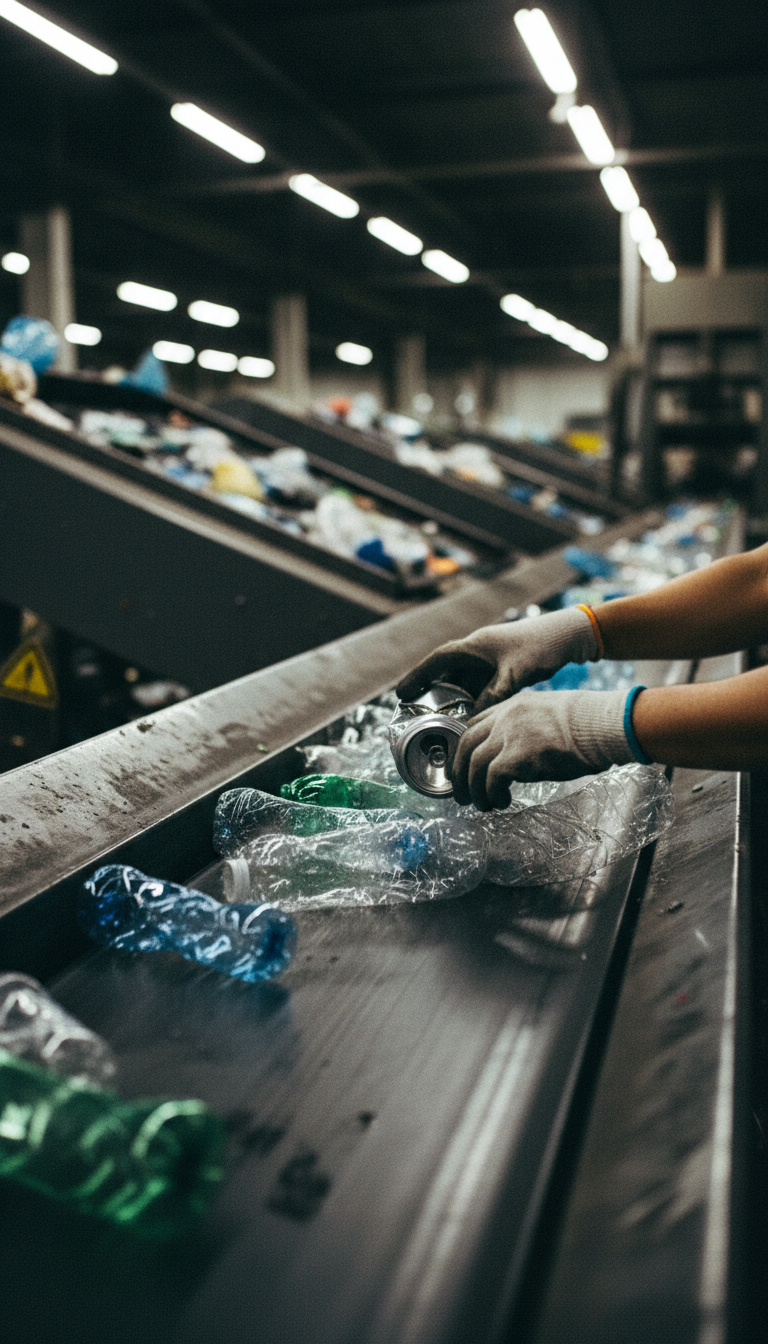
Once the audit defines your expected waste streams, the physical configuration of the site must support those goals. You must choose between commingled recycling and source-separated collection. While commingled bins are convenient for projects with extremely limited footprints, source-separated bins for metal, wood, and concrete yield significantly higher rebates and lower disposal fees. Landfills and processors charge a premium to sort mixed loads; separating at the source allows you to capture the full commodity value of your scrap while avoiding heavy debris surcharges.
Effective site management relies on strategic bin placement to ensure your construction waste recycling plan is followed by every subcontractor. A bin located at the far end of a site will likely remain empty while the general trash container overflows. Place the scrap metal bin directly adjacent to the framing or electrical rough-in areas to capture off-cuts immediately. Position heavy aggregate containers for concrete and brick near the foundation or demolition point to minimize the labor and equipment hours required to move dense materials.
Utilizing reliable waste collection and recycling services ensures that these specialized bins are emptied on a schedule that prevents project bottlenecks. By maintaining streamlined logistics through clear signage and logical placement, you reduce the risk of cross-contamination. This discipline is essential, as even a small amount of trash in a wood bin can cause the entire load to be downgraded from a recyclable commodity to expensive landfill waste.
Step 3: Partner with a Local Waste Management Specialist
Physical sorting on-site is only as effective as the logistics partner hauling the material away. For a construction waste recycling plan to remain financially viable, you must partner with a provider that operates within the specific geographic constraints of the Intermountain region. Intermountain Recycling manages these complexities from our base in Fillmore, providing organized routing and clear service schedules that align with your project’s specific milestones.
Local expertise is vital for navigating Utah’s environmental compliance practices. A partner who understands regional landfill regulations and diversion requirements ensures your project avoids costly citations or rejected loads. By utilizing reliable waste collection and recycling services, you gain a dedicated contact who monitors bin capacity and specialized recycling needs. This proactive approach prevents the common bottleneck of overflowing containers, which can halt equipment movement and create unnecessary safety hazards. Streamlined logistics ensure that debris is removed precisely when needed, keeping your site operational and your diversion data accurate for future reporting requirements.
Managing Major C&D Materials: Concrete, Metal, and Drywall
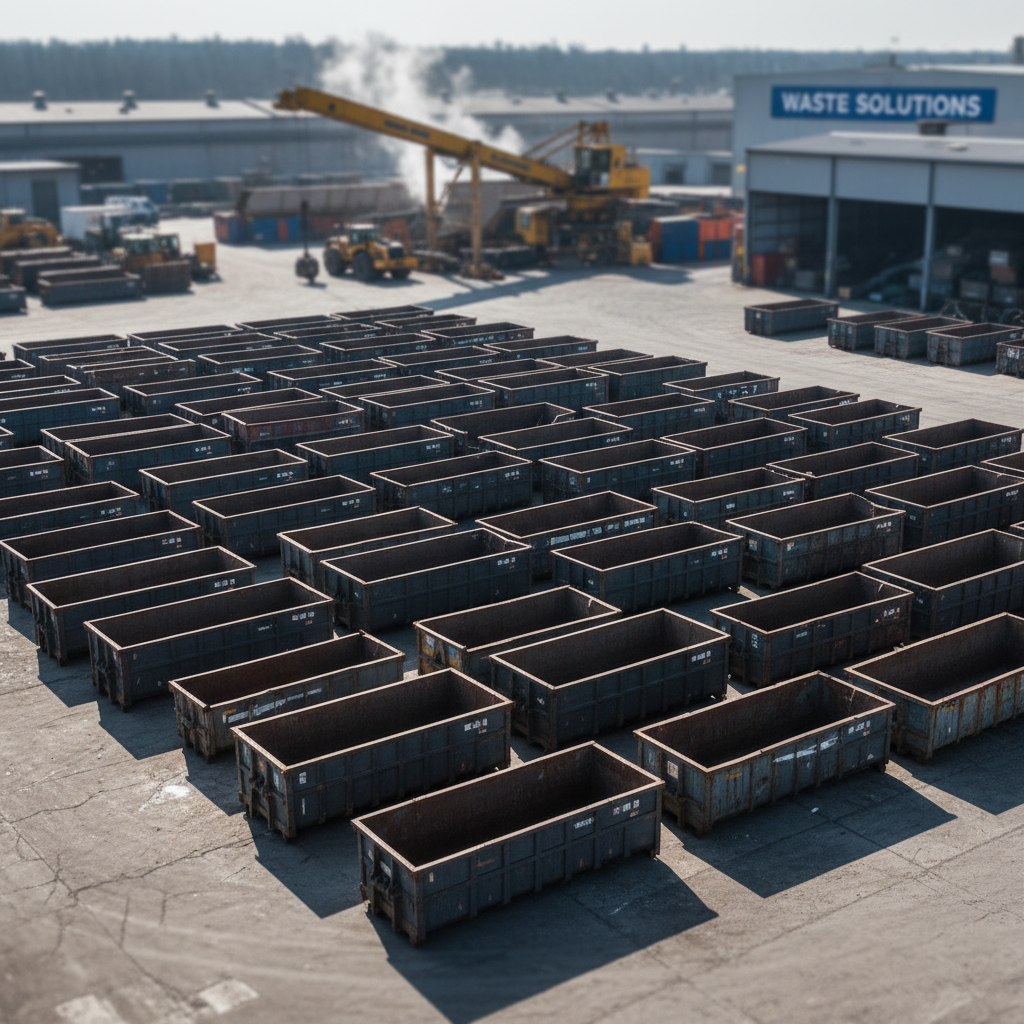
Diverting heavy debris from the landfill is the most effective way to lower tipping fees instantly. Because concrete, metal, and drywall often account for the bulk of project tonnage, managing them specifically within your construction waste recycling plan yields the highest return on effort.
Concrete and masonry are ideal for on-site repurposing. Instead of paying to haul heavy slabs away, many contractors use mobile crushers to convert clean concrete into road base, parking lot subgrade, or structural backfill. This strategy provides a dual financial benefit; it eliminates disposal costs and reduces the expense of purchasing new virgin aggregate for the current or future phases of the build.
Metal remains the most valuable component of the waste stream. Whether the scrap is copper piping, aluminum siding, or steel rebar, these materials have high market value that can directly offset other project costs. However, value depends entirely on purity. You must keep metal bins free of contaminants like insulation, wood, or food waste. Mixed loads are often downgraded to general refuse, stripping away the potential rebate and incurring standard disposal charges.
Drywall presents a unique logistical challenge due to the nature of gypsum. While gypsum can be recycled into new wallboard or soil amendments, facilities generally require scrap to be clean and, most importantly, dry. Wet drywall can harbor mold and becomes nearly impossible to process, leading to immediate rejection at recycling centers. Storing drywall off-cuts in a covered container or indoors until pickup is a practical step to ensure these heavy loads do not end up as expensive landfill waste. By utilizing reliable waste collection and recycling services, you can coordinate precise pickups for these materials, maintaining streamlined logistics even during high-volume phases of demolition or framing.
Training Your Crew and Subcontractors for Success
Even the most technical construction waste recycling plan fails if the crew on the ground does not understand the logic and mechanics of the system. For site leads in the Intermountain region, success begins by integrating waste management into the initial safety briefing. When subcontractors see that material sorting is treated with the same weight as wearing a hard hat, compliance increases significantly.
Practical implementation strategies include: - Use clear, color coded signage on all bins in both English and Spanish to accommodate the diverse workforce on Utah job sites. - Designate a waste champion from the crew to monitor bins for contamination and provide immediate feedback to subcontractors. - Incorporate bin status updates into daily huddles to ensure everyone knows which containers are nearing capacity.
Companies that operate with this level of organization often see a direct impact on their total project costs. A cleaner site reduces trip hazards and equipment obstructions, which leads to fewer workplace accidents and faster project completion times. By maintaining streamlined logistics through a disciplined team, you eliminate the hidden costs associated with site congestion and labor hours spent double-handling debris.
Tracking and Reporting Your Diversion Rate
Beyond the immediate physical benefits of a clean site, the long term value of your efforts is captured through data. Precise documentation is the final pillar of a successful construction waste recycling plan. You must collect and organize weight tickets for every load that leaves the site, categorizing them by material type to calculate a verifiable diversion rate. This data is mandatory for contractors bidding on LEED certified projects or government contracts in Utah, where detailed environmental reporting is a non negotiable requirement.
Regional shifts are approaching; the September 2026 deadline for waste facility changes will likely introduce stricter mandates. Early adoption of tracking offers a distinct competitive advantage, demonstrating operational maturity and compliance to developers. By partnering for reliable waste collection and recycling services, you ensure every ton of metal, wood, or concrete is recorded accurately. This level of streamlined logistics provides the transparency needed to secure high value projects and utilize local recycling resources effectively.