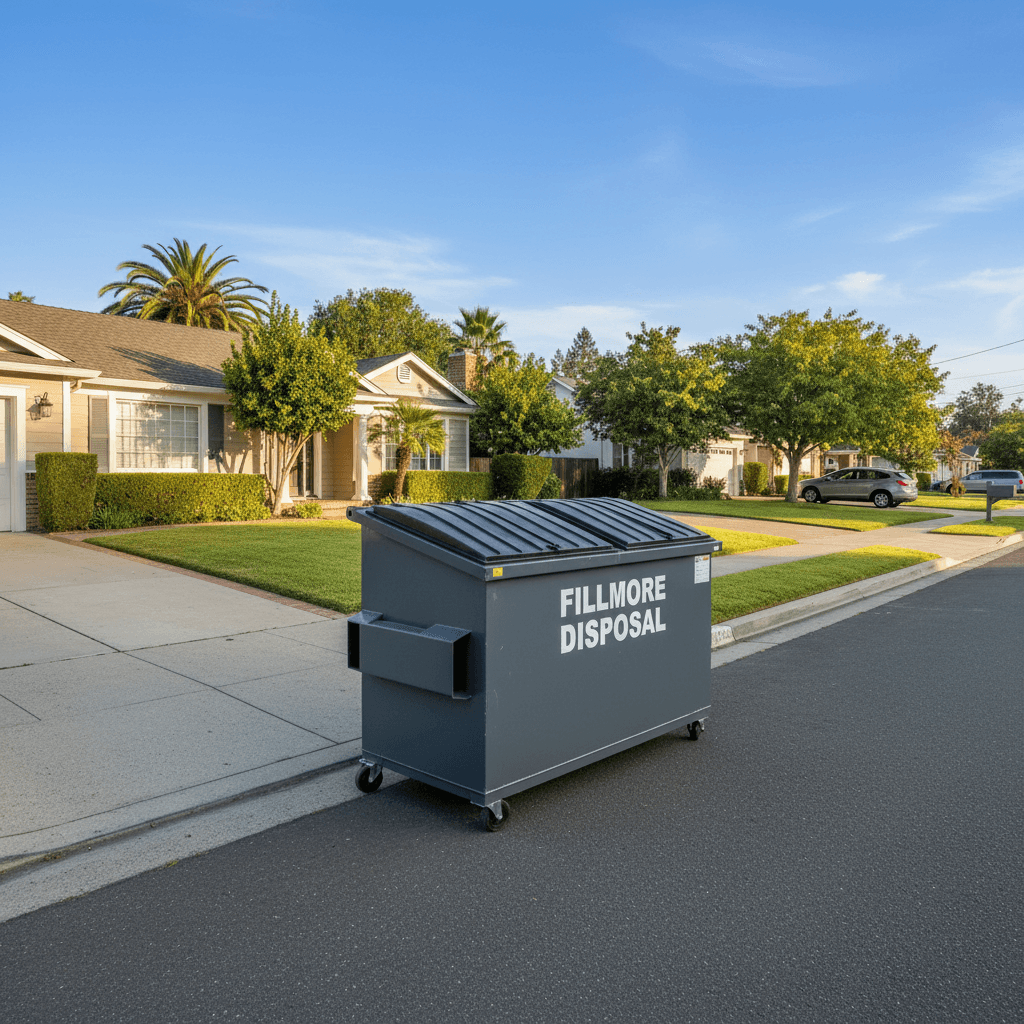
Fillmore residents can recycle clean paper, cardboard, glass jars, and plastic containers labeled 1 through 7 in their blue bins. Items such as plastic bags, styrofoam, and hazardous materials are not accepted and must be disposed of separately. Using this recycling guide Fillmore helps the community properly sort waste and maintain local sustainability standards.
Navigating the complexities of local waste disposal in Fillmore often feels like a guessing game. Many residents find themselves hovering over the recycling bin, wondering if a specific plastic container or piece of cardboard truly belongs there, or if they are inadvertently contaminating the entire load. This uncertainty leads to wish-cycling, which ultimately stalls efficiency and increases operational costs for our local infrastructure. At Intermountain Recycling, we understand that effective waste management relies on precision and clear communication. This comprehensive guide clarifies exactly what materials our local systems can process. You will learn how to distinguish between standard household recyclables and hazardous contaminants; additionally, we will cover the proper disposal methods for specialized electronics and construction debris. By mastering these logistical details, you contribute to a cleaner, more sustainable environment while optimizing the professional routing that keeps Fillmore running smoothly.
Navigating Waste Management and Recycling in Fillmore, Utah
Effective waste management in Fillmore and across Millard County requires more than just a bin on the curb; it necessitates a clear understanding of local processing capabilities. At Intermountain Recycling, based right here in Fillmore, we provide the essential infrastructure and residential waste collection needed to maintain the cleanliness of the Intermountain region. Because our local ecosystem is unique, following specific regional guidelines ensures that materials actually reach their next life cycle instead of ending up in a landfill.
One of the biggest hurdles to a sustainable system is wish-cycling. This occurs when well-intentioned residents place non-recyclable items into bins, hoping they might somehow be processed. In reality, this practice causes material contamination, damages sorting machinery, and can lead to entire loads being rejected. This recycling guide Fillmore aims to eliminate that uncertainty by providing clear, actionable data for our community.
Our commitment to reducing environmental impact is backed by streamlined logistics and modern equipment. By leveraging organized routing, we minimize the carbon footprint of our collection process. Our experienced crews ensure that every pickup, from individual homes to large-scale commercial recycling solutions, adheres to compliant handling practices. Real sustainability relies on precision and dependable service rather than guesswork.
The Green List: Household Items You Should Always Recycle
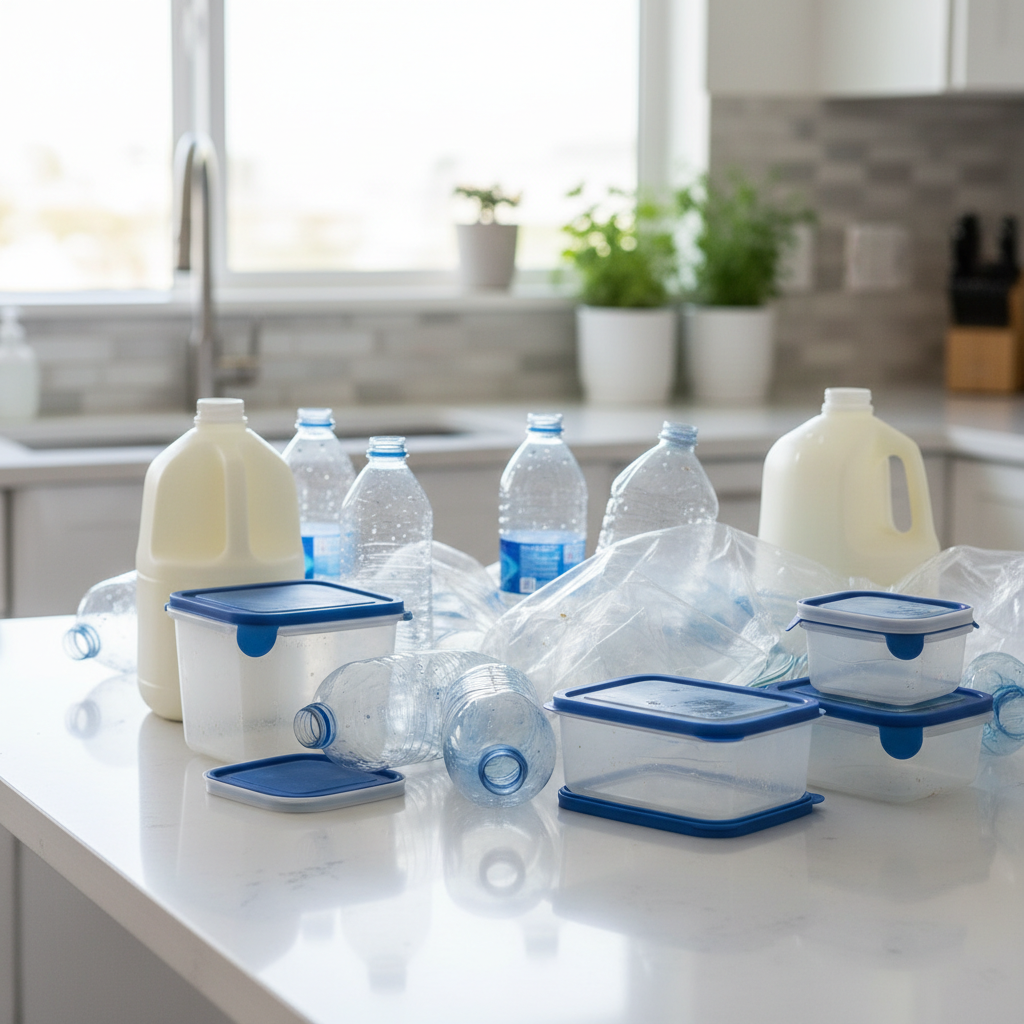
To make this recycling guide Fillmore actionable, we must focus on high-yield materials that possess strong secondary markets. Prioritizing these items ensures that your efforts translate into actual environmental benefits and support the efficiency of our local sorting infrastructure.
### Paper and Cardboard Cardboard and paper products are the foundation of many residential waste collection programs. To ensure these materials are processed correctly, they must remain dry. Wet paper fibers lose their structural integrity and can contaminate other dry materials in the bin, often leading to the entire load being redirected to a landfill.
Focus your efforts on flattened Amazon and shipping boxes, clean office paper, and newspaper. Large cardboard containers must be broken down and flattened before being placed in the bin. This simple step maximizes the space in our collection trucks and ensures that our routing remains cost effective and timely for all residents.
### Plastics: Numbers 1 and 2 Identifying the right plastics is a matter of checking the resin identification code. This is the small number found inside the chasing-arrows triangle on the container, usually located on the bottom. In our region, Plastics #1 and #2 are the primary focus because they are the most reliably recycled materials in the global market.
#1 PET (Polyethylene Terephthalate): This is the gold standard for clear containers. You will find this code on soda bottles, water bottles, and mouthwash containers.
#2 HDPE (High-Density Polyethylene): This is a denser, more opaque plastic. It is commonly used for milk jugs, juice bottles, and laundry detergent containers.
These two categories are highly sought after by manufacturers to create new packaging, textiles, and even playground equipment. If a plastic item lacks a number, it generally belongs in the trash to avoid contaminating these high-value streams.
### Metals Aluminum and steel are uniquely sustainable because they can be recycled repeatedly without any loss in quality. This makes them a priority for both households and businesses seeking commercial recycling solutions.
Material Category | Common Examples | Preparation Requirement |
|---|---|---|
Cardboard | Shipping boxes, shoe boxes | Flattened and dry |
Plastic #1 (PET) | Soda bottles, water bottles | Rinsed and drained |
Plastic #2 (HDPE) | Milk jugs, detergent bottles | Rinsed; no liquid residue |
Aluminum | Soda cans, sparkling water cans | Empty and dry |
Steel/Tin | Soup cans, vegetable cans | Rinsed; labels are usually fine |
By focusing on these impact-heavy items, you help Intermountain Recycling maintain a streamlined and compliant waste stream for the entire Fillmore community.
The Red List: Common Contaminants to Keep Out of the Bin
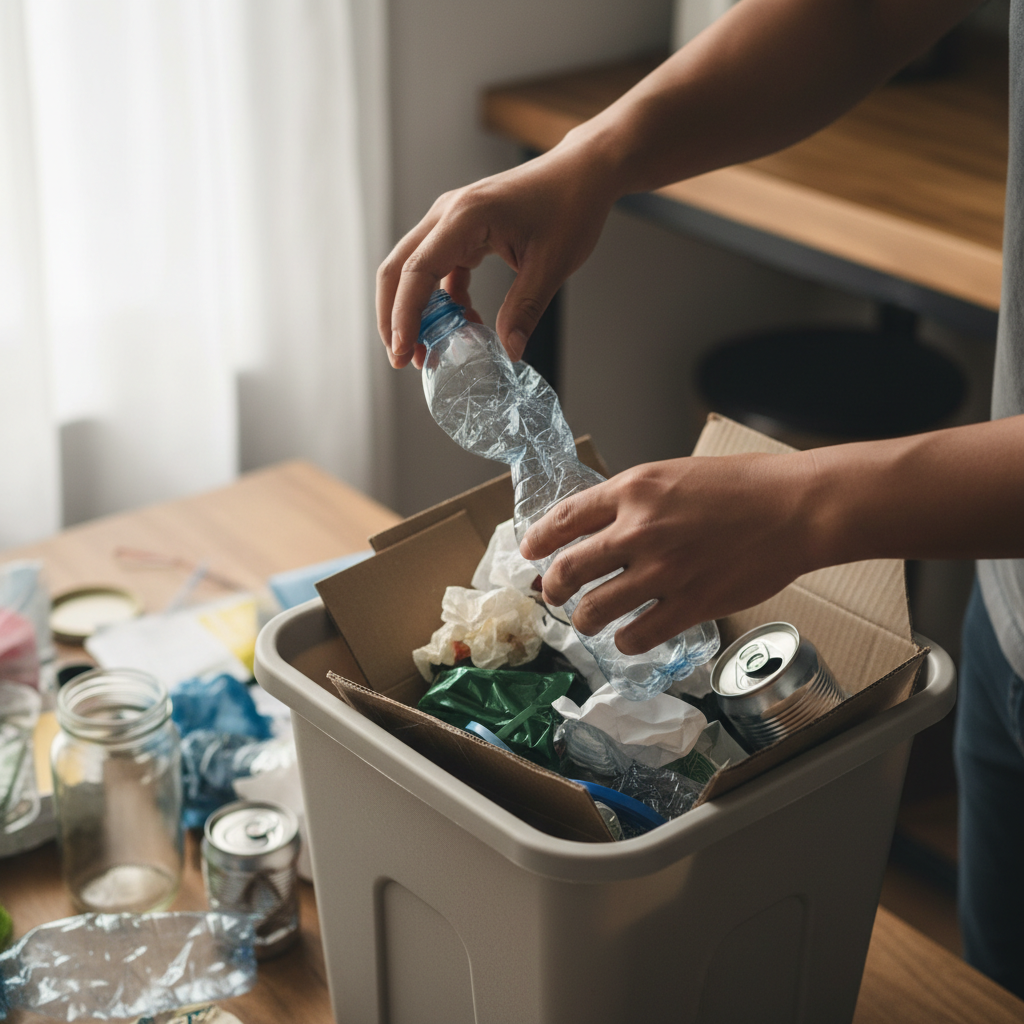
Understanding what belongs in the bin is only half the battle; knowing what to exclude is critical for the success of our local programs. Material contamination occurs when non-recyclable items or residues compromise the quality of legitimate recyclables. For example, a single soda bottle with liquid remaining can spill during transport, soaking a bale of otherwise pristine paper and rendering it unmarketable. This forces us to divert what could have been recycled to the landfill, undermining our shared environmental goals.
One of the most frequent offenders in Fillmore is the greasy pizza box. While clean cardboard is valuable, oil and food residue saturate the paper fibers and cannot be removed during the pulping process. Similarly, styrofoam is a major contaminant. It is extremely brittle and breaks into thousands of tiny beads that mix with other materials, making them impossible to separate efficiently, even with modern sorting equipment.
Certain items, known as tanglers, pose a direct threat to the mechanical integrity of waste processing facilities. Plastic grocery bags, garden hoses, and Christmas lights should never be placed in a curbside bin. These flexible materials wrap around rotating shafts and gears, causing equipment failure and requiring manual removal by maintenance crews. Soft plastics, such as grocery sacks and bubble wrap, require a specialized film recycling process. Residents should return these to local grocery store drop-off points rather than including them in residential waste collection bins.
For businesses utilizing our commercial recycling solutions, maintaining a clean stream is vital for operational efficiency. When contaminants enter the system, they disrupt the streamlined logistics we use to keep the Intermountain region clean. By keeping these Red List items out of your containers, you protect our equipment and ensure that the recycling guide Fillmore residents rely on results in a truly sustainable outcome for the community.
Handling Specialized Waste: Electronics and Construction Debris
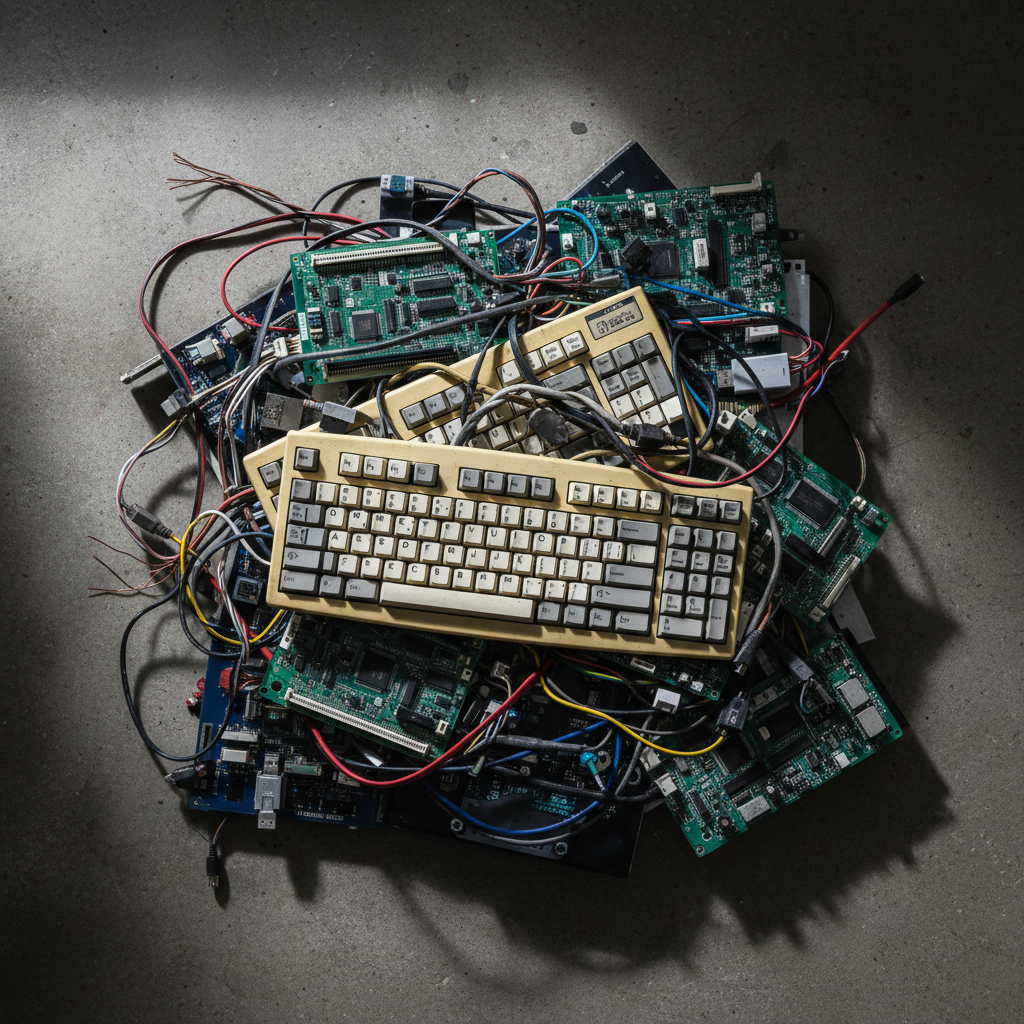
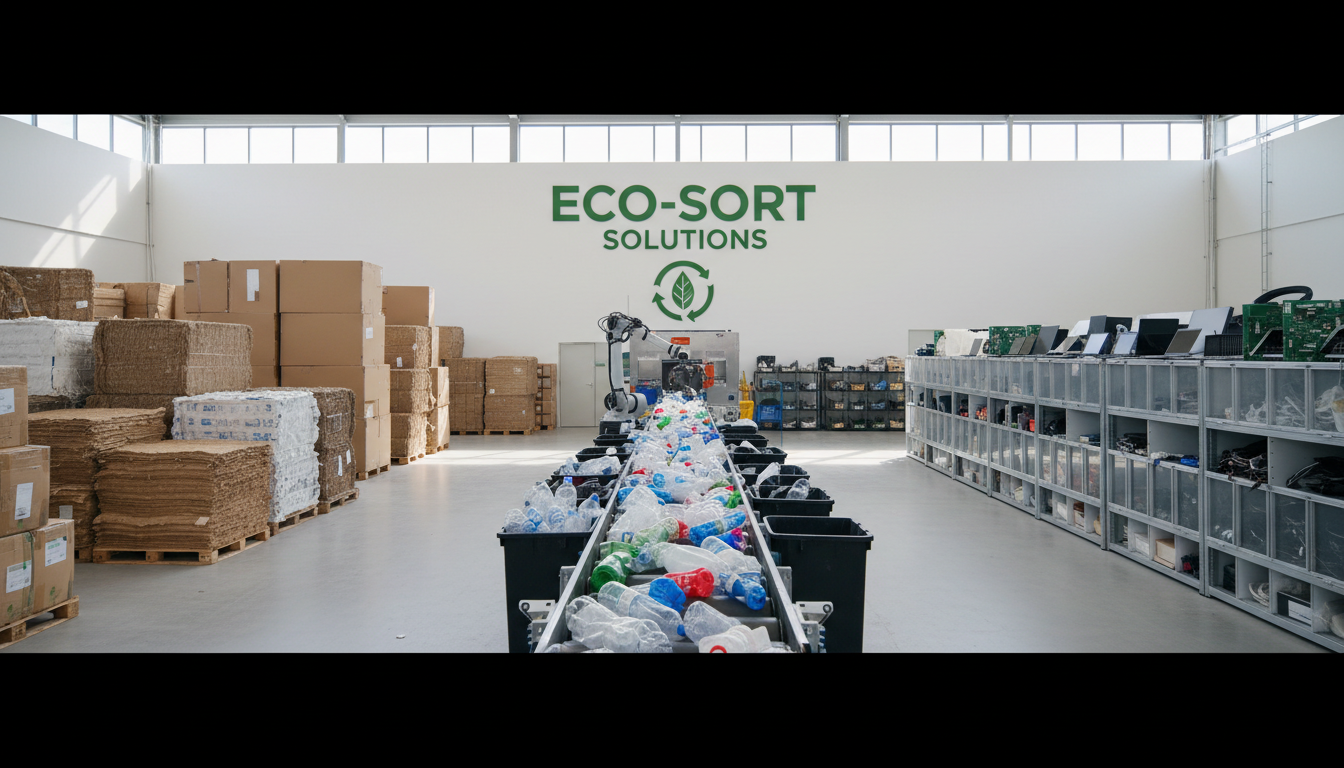
Professional waste management extends far beyond the kitchen bin. For the industrial and commercial sectors in Millard County, handling specialized waste requires a technical approach to safety and environmental regulations. Electronic waste, or e-waste, is a primary concern. Items such as obsolete monitors, circuit boards, and keyboards contain heavy metals like lead and mercury. These materials are hazardous if crushed in a standard refuse truck or left in a landfill; they require specialized disassembly to reclaim valuable components and neutralize toxic elements.
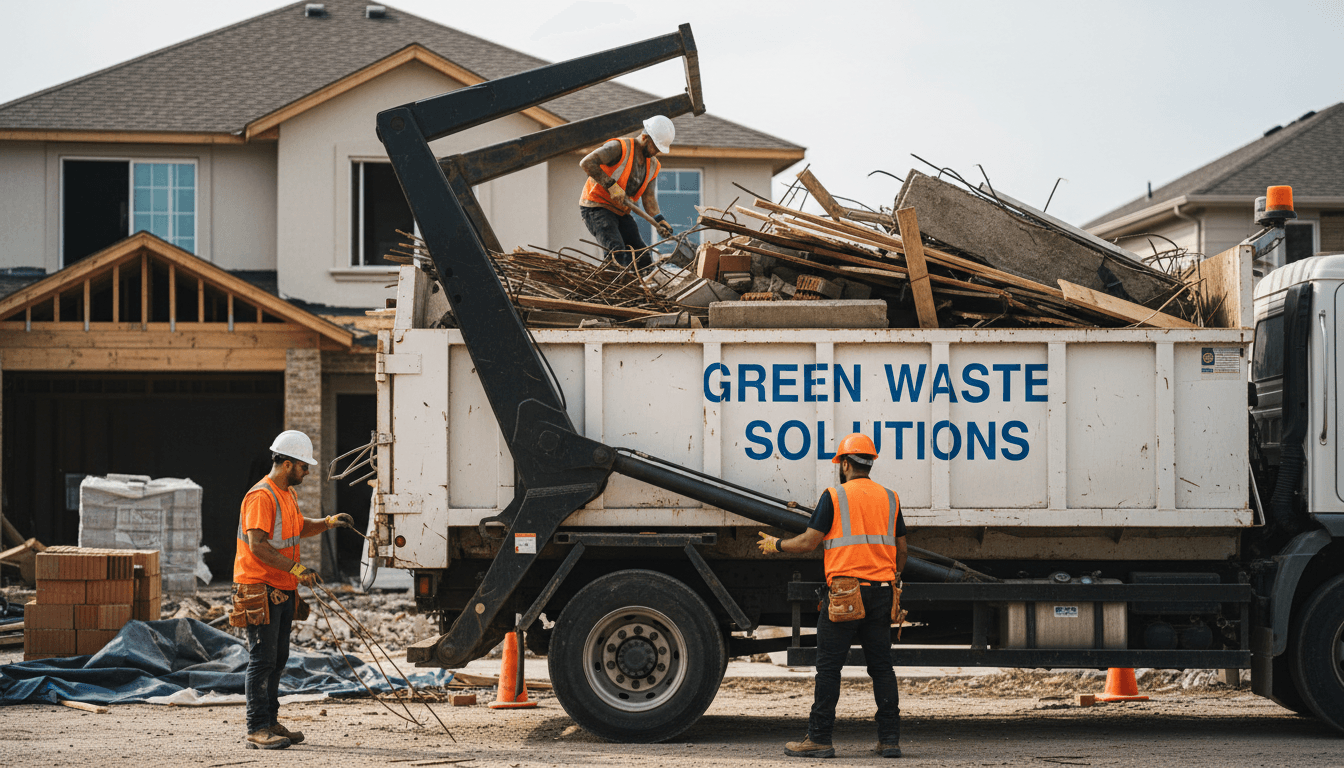
The scope of our services also encompasses large-scale construction and demolition (C&D) debris. This is a critical differentiator for Intermountain Recycling; we provide the heavy-duty infrastructure needed for construction site cleanup throughout the region. While residential programs focus on packaging, our industrial workflows manage bulk materials including:
Material Type | Typical Sources | Handling Priority |
|---|---|---|
Metal Framing | Steel studs, copper piping | High-value reclamation |
Lumber Scraps | Pallets, framing cut-offs | Volume reduction and reuse |
Drywall | New construction off-cuts | Specialized gypsum management |
E-Waste | Office upgrades, retired IT equipment | Heavy metal containment |
By utilizing our commercial recycling solutions, project managers and business owners ensure that their sites remain organized and compliant. We employ specific, compliant handling practices for every load of C&D waste. This disciplined approach is a cornerstone of this recycling guide Fillmore, ensuring that even the most complex industrial materials are managed with the same precision as a standard household pickup.
Preparation Tips for a Cleaner Fillmore Environment
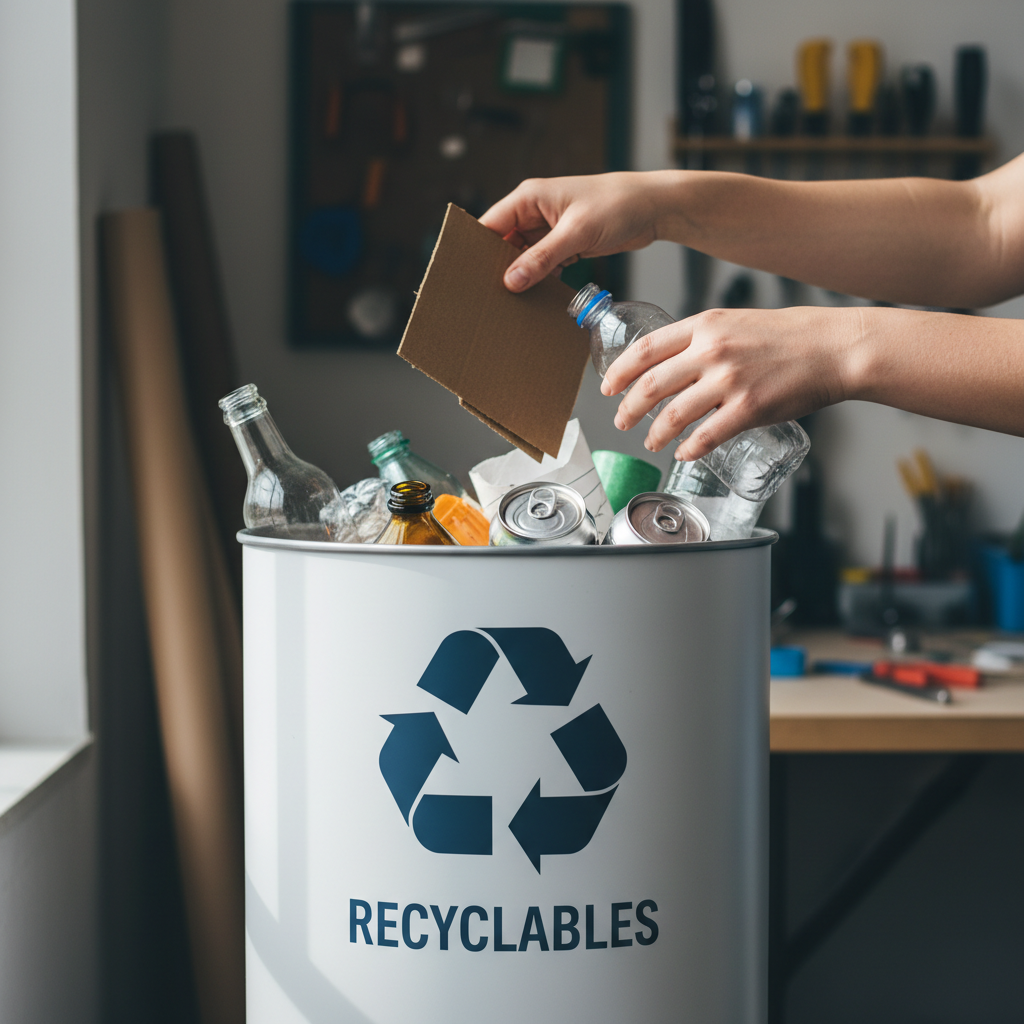
While specialized disposal requires technical handling, everyday waste management relies on a few simple, manual steps performed at the source. To maximize the effectiveness of our residential waste collection efforts, we recommend a simple three step framework: Rinse, Dry, and Flatten.
Food residue is the primary enemy of a clean recycling stream. Even a small amount of leftover yogurt or peanut butter can spread to other items; this turns a bin of high value paper into a load of trash. After rinsing plastic and metal containers, allow them to air dry. Excess water in the bin degrades paper fibers and creates weight imbalances that complicate the sorting process at our Fillmore facility.
Logistical efficiency depends heavily on volume management. Flattening cardboard boxes and crushing aluminum cans ensures your bin does not overflow before the next scheduled pickup. This practice also allows our collection trucks to carry more material per route, which reduces the total number of trips required and lowers the overall carbon footprint for the community. Regarding plastic bottles, please screw the caps back onto the empty, dry container. Leaving the cap attached prevents it from falling through sorting screens as a small contaminant and ensures the entire unit is processed together. Following this recycling guide Fillmore protocol helps us maintain a simple, dependable, and streamlined service for every property owner.
The Logistics of Sustainability: Why Professional Routing Matters
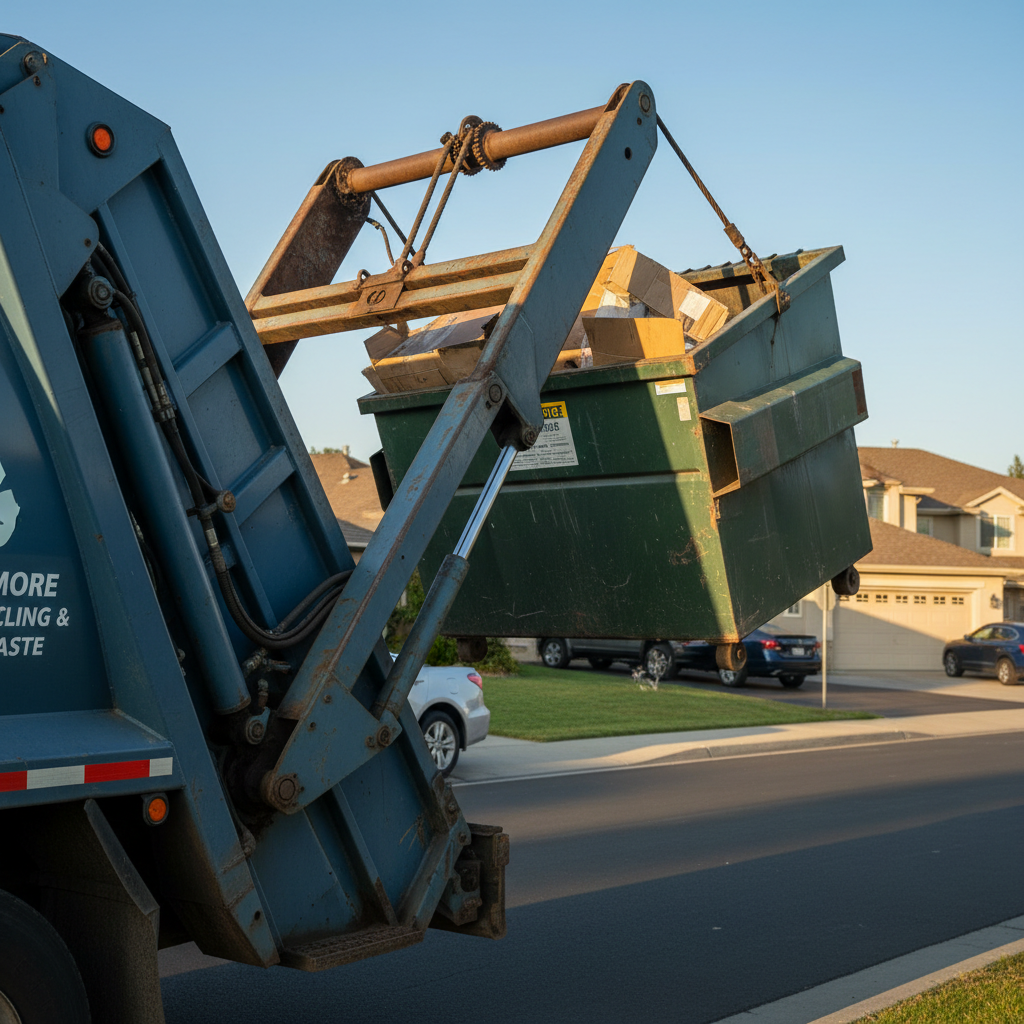
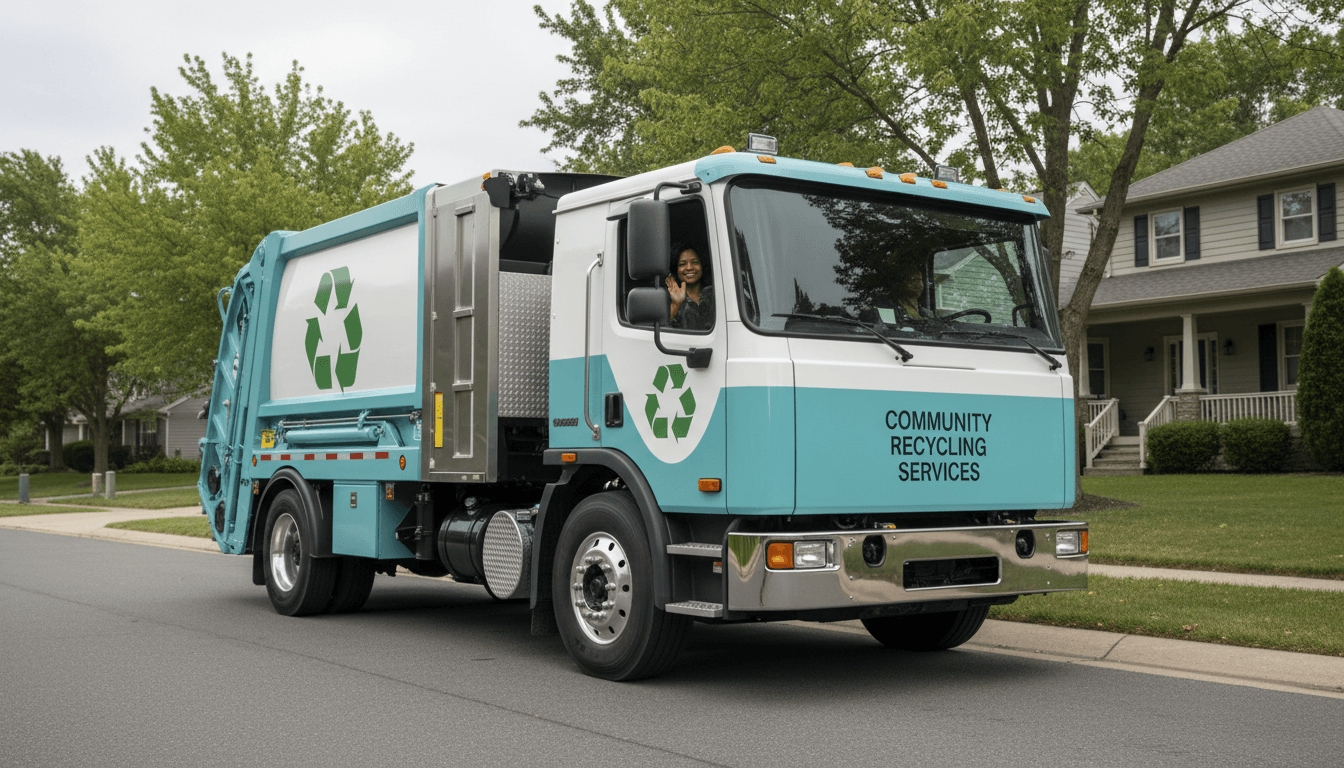
The logistics of waste management are often invisible to the public, yet they are the backbone of a functional green initiative. At Intermountain Recycling, we leverage organized routing and modern equipment to ensure that the collection process itself is as sustainable as the materials we recover. By using streamlined logistics, we reduce the miles driven by our fleet, directly lowering the carbon emission footprint associated with both residential waste collection and commercial recycling solutions.
Professional routing provides the consistency needed for a dependable service schedule. Our experienced crews, operating out of Fillmore, possess local knowledge that large scale national carriers often lack. They understand the specific needs of the Intermountain region, ensuring that materials are handled with compliant practices from the moment they leave your curb. This expertise is a vital part of this recycling guide Fillmore, as it bridges the gap between resident preparation and final material recovery.
When we optimize the journey from the bin to the processing stage, we ensure that your efforts in rinsing and sorting result in the highest possible environmental impact for Millard County. Our modern equipment and organized logistics transform individual actions into a community wide system of reliability and sustainability.