Effective seasonal cleanup involves bundling branches, bagging leaves, or hiring professional yard waste removal services to manage debris efficiently. Choosing between a dumpster rental for extensive projects or junk removal for quick hauls ensures a hassle-free process tailored to your specific budget and timeline.
As the first frost settles across the Intermountain region, the vibrant colors of autumn often transition into a logistical headache for property owners. The sudden accumulation of fallen branches, spent perennials, and thick layers of leaves can quickly overwhelm standard curbside bins; this debris can harbor pests or damage your turf if left neglected through the winter. Managing this seasonal transition requires more than just a rake and a few bags; it demands a strategic approach to disposal that balances efficiency with environmental responsibility. In this guide, we will examine the specific types of organic waste common to our local landscape and compare the benefits of dumpster rentals versus traditional junk removal. You will also learn practical bundling techniques and sustainable disposal methods to ensure your property remains pristine and prepared for the coming snow.
Why Fall Yard Waste Removal Matters in the Intermountain Region
Fall in the Intermountain region brings a sharp transition. In Fillmore, the window between the final heat of late summer and the first heavy snowfall is often narrow. High winds frequently sweep through the valley, scattering broken branches and thick layers of leaves across properties. Addressing yard waste removal during this period is a critical maintenance task rather than just a cosmetic chore.
Prompt removal prevents several common property issues. A thick layer of organic debris trapped under early snow creates a damp, suffocating environment that can lead to snow mold and dead patches in the spring. Furthermore, piles of brush and leaves serve as ideal nesting grounds for rodents and overwintering pests looking for shelter near foundations. For commercial sites, clearing debris ensures fire safety and maintains clear access for winter operations.
Based right here in Fillmore, Intermountain Recycling understands these regional challenges. We provide reliable waste collection and recycling services designed for the unique scale of Intermountain properties. Our approach focuses on streamlined logistics and sustainable disposal, ensuring that residential and commercial debris is handled compliantly rather than simply occupying space in a landfill. By managing these materials now, property owners protect their investment before the ground freezes.
What Qualifies as Yard Waste? Leaves, Branches, and Seasonal Debris
Before scheduling your yard waste removal, you must identify which materials are eligible for organic disposal streams. Yard waste is generally defined as natural, biodegradable debris resulting from landscaping and garden maintenance. While specific guidelines can vary slightly by municipality, the most common materials fall into three distinct categories.
First are the fine organic materials, including grass clippings, leaves, and pine needles. In the Intermountain region, this often includes the heavy leaf drop from cottonwoods and maples. Second is brush, which encompasses sticks, twigs, and branches pruned during fall thinning. Third are seasonal items, such as spent pumpkins, decorative corn stalks, and withered garden plants that have reached the end of their growing cycle.
A common point of confusion for property owners involves branch sizing. Most standard residential collection services require branches to be no more than 2 inches in diameter and 4 feet in length to ensure they fit in automated bins or can be safely handled by manual crews. For larger limbs or trunk sections, professional equipment and roll-off containers are necessary. If your cleanup involves heavy storm damage or large tree removals, standard bin limits usually do not apply; however, the materials must still be free of non-organic contaminants.
It is equally important to know what does not qualify. Residents should consult a Recycling Guide Fillmore to distinguish between green waste and inert materials. Rocks, dirt, sod, and gravel are excluded because their weight and composition require different processing methods. Furthermore, treated lumber, including fence posts or pallet wood, is prohibited from organic waste loads. The chemicals used to preserve these woods contaminate the composting process, so they must be disposed of as general construction debris rather than yard waste. Clear separation of these materials ensures that your cleanup remains compliant and that organic matter can be successfully repurposed.
The Logistics of Fall Cleanup: Bundling vs. Bin Disposal
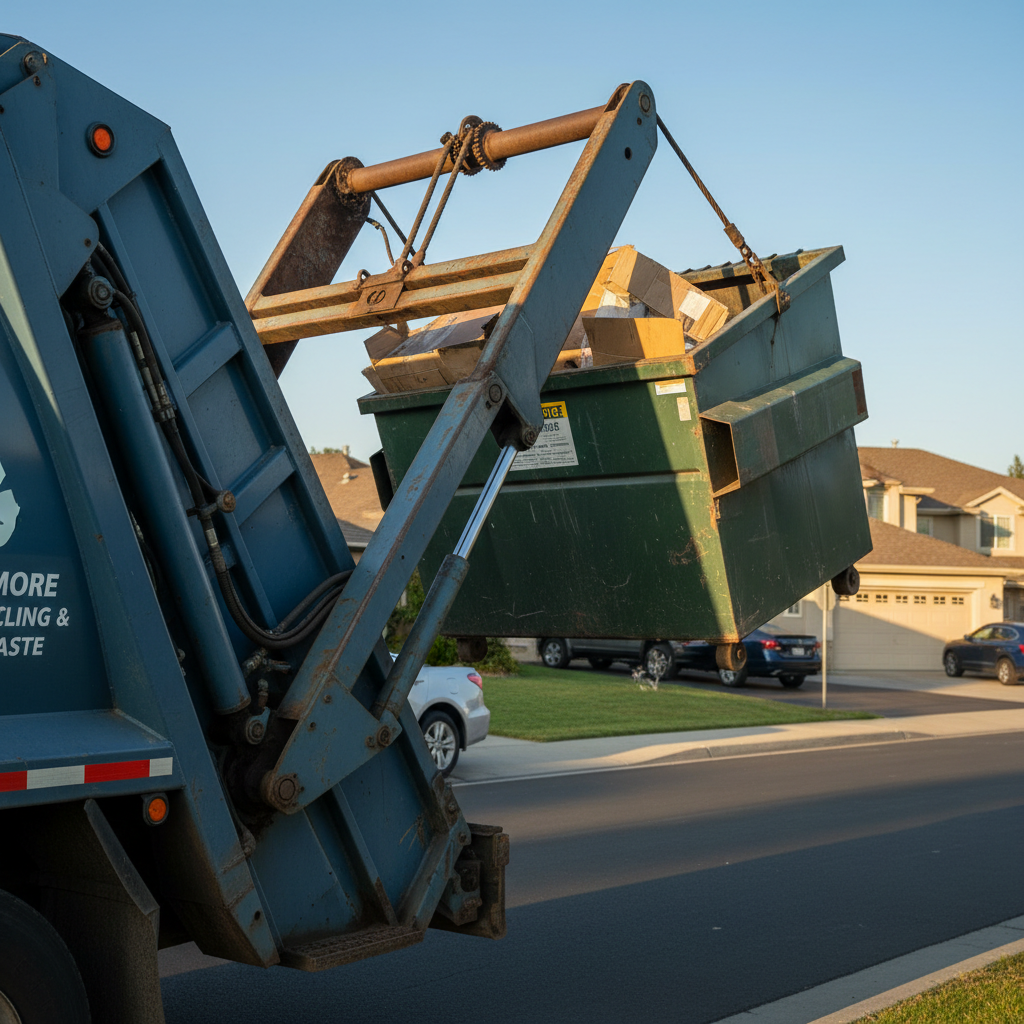
Properly preparing debris ensures that yard waste removal remains a streamlined process rather than a multi-weekend chore. The choice between manual bundling and bin disposal usually depends on the volume of material and the total acreage of your property. For small residential lots with minimal tree cover, bagging leaves in heavy duty paper lawn bags is a standard approach. However, these bags are prone to tearing when exposed to the Intermountain region's early autumn rains, and they require significant physical labor to fill, stage, and move.
For brush and branches, manual preparation requires specific bundling techniques to meet safety and processing standards. Use non-metallic twine, such as sisal or jute, to secure limbs into manageable cylinders. Natural fibers are preferred because they break down during the composting process, whereas wire or plastic ties contaminate the organic stream. Keep these bundles under 4 feet in length and roughly 18 inches in diameter. When staging them for pickup, place them near the curb or driveway in an area clear of low-hanging branches or power lines, ensuring our crews have unobstructed access.
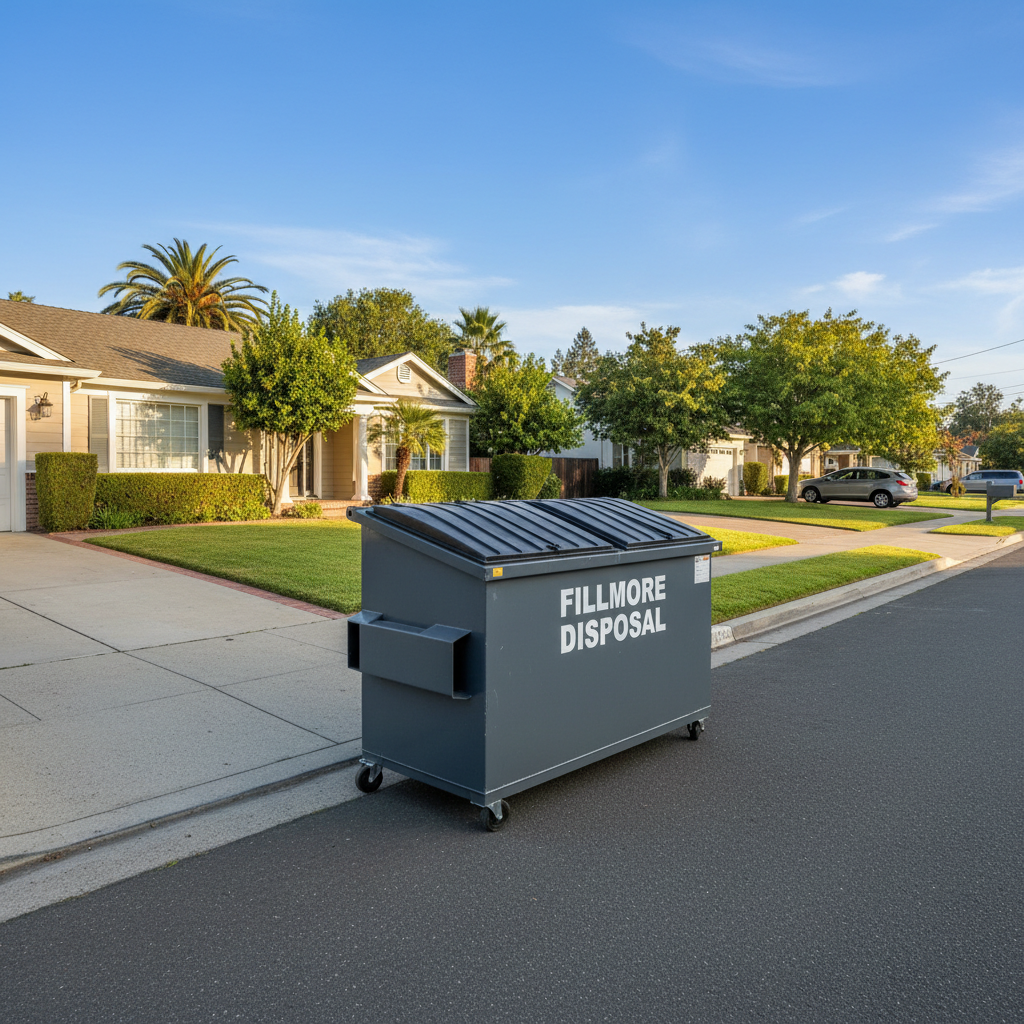
On larger properties or commercial sites, the logistics of bagging and bundling often become impractical. A centralized roll-off container provides a far more efficient solution. Instead of meticulously sizing branches or stuffing bags, you can toss all organic debris into a single high-capacity bin. This approach is particularly effective for large-scale fall thinning or clearing storm-damaged limbs. Utilizing reliable waste collection and recycling services for a dedicated container keeps the site organized and avoids the cluttered look of dozens of bags lining a property for days at a time.
Dumpster Rental vs. Junk Removal: Which is Best for Your Yard?
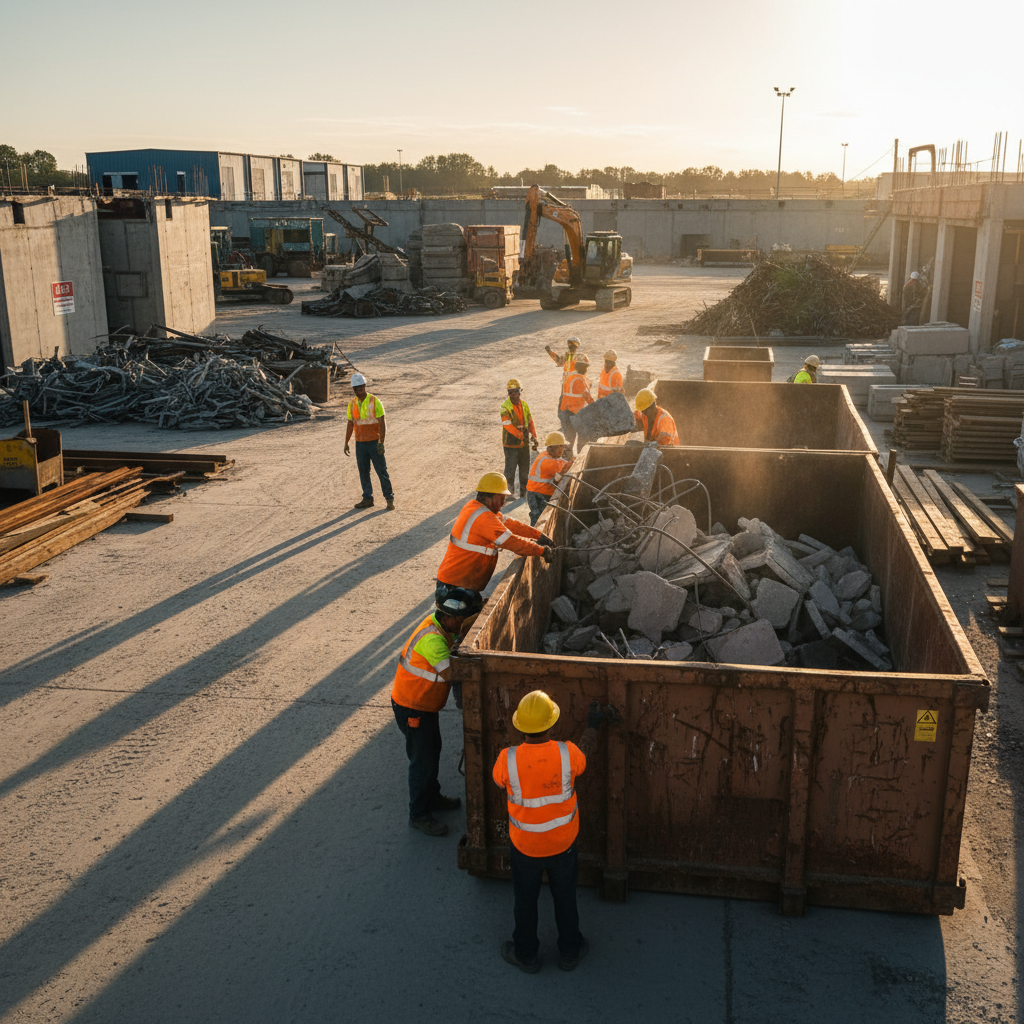
Deciding between a dumpster rental and a professional junk removal service depends largely on the volume of debris and the timeline of your project. For residents and businesses in the Intermountain region managing large properties, the choice affects both the total cost and the physical effort involved in the cleanup.
Feature | Dumpster Rental | Junk Removal |
|---|---|---|
Average Cost | $300 - $600 | Variable (Higher per cubic yard) |
Project Duration | 7 to 10 days | 1 to 3 hours |
Labor | Self-service | Full-service crew included |
Best Use Case | Large-scale thinning, storm cleanup | Small, consolidated piles |
A dumpster rental is the most cost-effective choice for multi-day projects. With rental periods typically lasting a week or more, property owners can prune trees, clear garden beds, and remove brush at their own pace without the pressure of a waiting crew. This flexibility is essential for major fall thinning or cleaning up after high-wind events that scatter heavy limbs across several acres. Because the pricing is based on the container size and weight, it offers a predictable budget for large-scale yard waste removal.
Junk removal is a hands-off, full-service alternative. A crew arrives, loads the debris, and hauls it away within a few hours. While this saves significant time and physical strain, the inclusion of labor costs often results in a higher price per cubic yard. This service is best suited for property managers or homeowners who have already gathered a small, specific pile of debris and want it gone immediately.
For those coordinating complex projects, consulting a Recycling Guide Fillmore ensures that the materials placed in either service meet regional compliance. Intermountain Recycling provides reliable waste collection and recycling services tailored to these needs, helping you determine if a 10 or 40 yard roll-off container is the right fit for your specific property size. Choosing the right method ensures you clear your land efficiently before the first frost arrives.
Sustainable Yard Waste Disposal: Beyond the Landfill
Tossing grass clippings and branches into your standard refuse bin is often called wish-cycling, which is the hope that organic matter will simply disappear once it reaches the landfill. However, yard waste removal that ends at a traditional dump is an environmental missed opportunity. In a landfill environment, organic debris is packed tightly under layers of trash, preventing oxygen from reaching the material. This results in anaerobic decomposition, which produces methane gas instead of nutrient-rich soil.
Intermountain Recycling prioritizes compliant handling practices that divert these materials toward beneficial reuse. By utilizing our reliable waste collection and recycling services, you ensure that your fall debris is transported to professional composting facilities. These industrial sites manage the decomposition process at temperatures high enough to kill weed seeds and pathogens, something a residential compost pile often fails to achieve.
The finished product, often redistributed as mulch or soil amendments, helps retain moisture in the Intermountain region's arid climate. Proper management keeps our local Fillmore environment cleaner by reducing landfill volume and returning carbon to the earth. For those unsure about specific material sorting, our Recycling Guide Fillmore provides the necessary details to keep your organic stream clean and ready for processing.
Pro Tips for a Hassle-Free Fall Cleanup
Efficiency in yard waste removal starts with reducing the sheer volume of material you have to move. Use a mulching mower to shred leaves before bagging or tossing them into a container. This simple step can often reduce leaf volume by a ratio of ten to one; turning a massive pile into a manageable layer of organic material that occupies much less space in a roll off bin or truck.
Access is the next priority for a smooth collection. When staging brush or bags, place them as close to the street or driveway as possible without obstructing traffic. Modern trucks and trailers require a clear path for loading, especially when utilizing reliable waste collection and recycling services. If crews must manually haul debris from the back of a large property to the front, the extra time required can complicate the scheduling of your pickup.
In the Intermountain region, moisture management is essential for cost control. Pay close attention to the forecast before you begin your project. Dry leaves and branches are light, but a single rain or snow event can triple their weight. Since disposal costs are often calculated by weight or tonnage, keeping your debris dry prevents unnecessary expenses caused by water absorption. Covering your staging pile with a tarp during a storm can save significant money.
Timing is your final tool for success. Consult a Recycling Guide Fillmore to verify current seasonal hours and specific disposal requirements for our area. Aim to finish your cleanup by mid-October. Once the first heavy snow hits Fillmore, yard waste removal becomes significantly more difficult as organic matter freezes to the soil or becomes buried under drifts. Early scheduling ensures your property is cleared while the ground is still firm and the debris is easily accessible for our equipment.
Properly managing fall debris is essential for maintaining a healthy landscape through the winter months. By following these simple steps, you can ensure your yard remains tidy and productive. While handling the cleanup yourself is rewarding, it often becomes a demanding project as the season progresses. If you want expert help to manage the heavy lifting or large scale hauling, you can look into our Services as a natural next step to keeping your property in top shape. We are here to support your seasonal transitions.