Recycling contamination occurs when non-recyclable materials or food waste mix with valid recyclables, causing entire batches to be redirected to landfills. This problem is often driven by wish-cycling, which happens when people toss items into bins hoping they are recyclable without verifying local rules. Ensuring materials are clean and properly sorted is the most effective way to prevent these processing failures.
You place a plastic container in your blue bin with the best intentions, yet that single item could be the reason an entire load of material is diverted to a local landfill. This phenomenon, known as wish-cycling, is a significant challenge for our operations at Intermountain Recycling. While the desire to recycle is commendable, improper sorting creates safety hazards for our Fillmore crews and compromises the purity of the materials we process. Understanding the mechanics of contamination is essential for any business or resident looking to make a genuine environmental impact. In this guide, we will examine the specific contaminants plaguing the Intermountain region and debunk common recycling myths. You will learn how to identify non-recyclables and implement a practical sorting strategy that ensures your efforts actually result in a more sustainable future for our community.
Understanding Recycling Contamination and the Wish-cycling Trap
At Intermountain Recycling, we strive to provide reliable waste collection and recycling services that benefit both our clients and the local environment. However, the effectiveness of these programs depends heavily on the quality of the materials collected. Recycling contamination occurs when non-recyclable materials or organic residues enter the recycling stream, compromising the integrity of the entire load.
This issue is generally categorized into two distinct types: physical contamination and residue contamination. Physical contamination involves placing items that are not accepted, such as garden hoses, scrap metal, or plastic film, into the bin. These items do not belong in the stream and can cause immediate processing failures. Residue contamination, on the other hand, refers to food, oils, or liquids left inside containers. Even a small amount of leftover soda or grease can soak into clean paper and cardboard, ruining the fiber and stripping away its market value.
A significant portion of this problem stems from "wish-cycling," also known as aspirational recycling. This is the act of placing an item in the recycling bin because you hope it is recyclable, even if you are not certain. While the intention is to keep waste out of the landfill, wish-cycling often achieves the opposite. When a load contains high levels of contamination, it becomes impossible to sort efficiently. Consequently, entire batches of otherwise valuable materials from across the Intermountain region are diverted to the landfill because the cost and safety risks of sorting them are too high. Understanding the specific recycling resources available for our service areas is the first step in ensuring your good intentions result in real environmental impact.
The Real World Impact of Contamination on Fillmore Recycling Crews
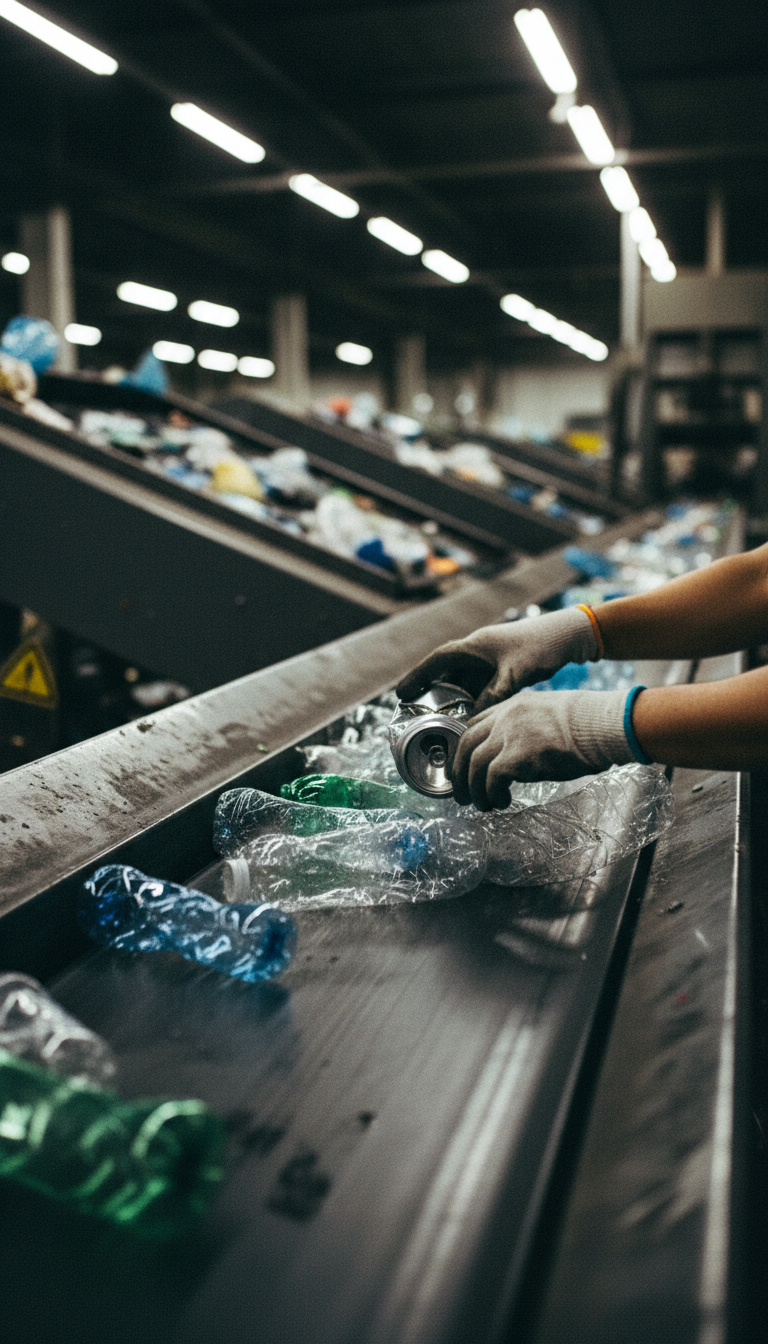
For our crews at Intermountain Recycling, the consequences of recycling contamination are immediate and physical. When a load containing plastic bags or film reaches a Materials Recovery Facility (MRF), these items act as tanglers. They wrap around the axles and star screens of the sorting machinery with incredible speed, forcing a complete halt to operations so that workers can manually cut away the debris. This downtime is not only expensive but poses a significant safety risk, as staff must enter the machinery to clear blockages that should never have been in the bin to begin with.
Similarly, a single greasy pizza box or a half full soda bottle can ruin a large volume of clean cardboard. Because oil and liquids migrate quickly, one resident's wish-cycling can saturate the paper fibers of their neighbors' recyclables, rendering them unmarketable. Once the contamination rate of a batch exceeds specific percentage thresholds, the facility is forced to reject the entire truckload. This means the collective effort of a whole Fillmore neighborhood is redirected to the landfill, negating the community's environmental goals and wasting the fuel and labor used for collection.
The economic reality of these failures eventually impacts the bottom line for every client in the Intermountain region. MRFs charge significantly higher processing fees for loads with high contamination because of the extra labor, equipment maintenance, and disposal costs involved. As a provider of reliable waste collection and recycling services, we aim to keep rates predictable for our residential, commercial, and industrial clients. However, when contamination levels rise, the increased fees from processing centers eventually influence the overall cost of service. Reducing these errors at the source is the most direct way to ensure local recycling programs remain both operationally viable and affordable for everyone.
Top Recycling Myths: What People Get Wrong at the Bin
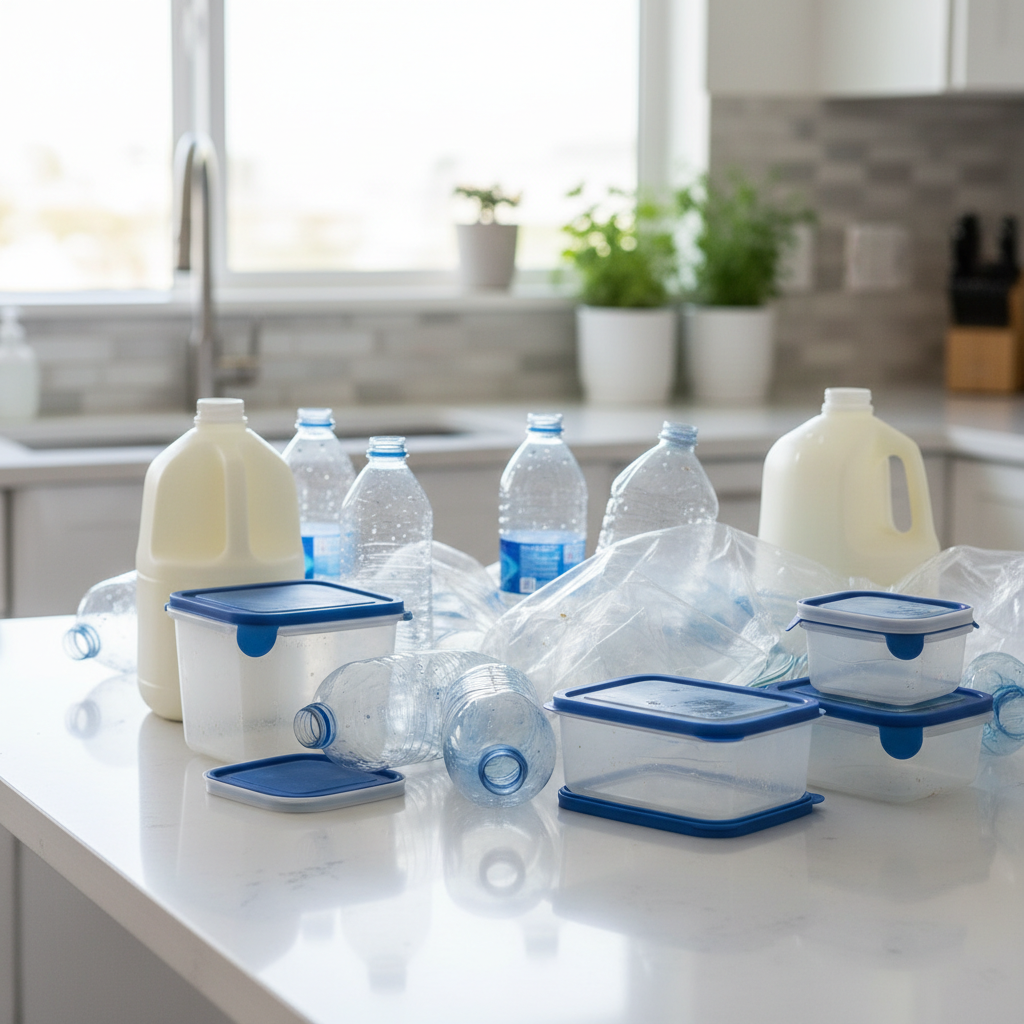
Addressing these common misconceptions is essential for improving the quality of the local waste stream. One of the most persistent myths is that every item stamped with a chasing arrows symbol is recyclable. This symbol is actually a Resin Identification Code, intended to identify the type of plastic, not its recyclability in a municipal program. While numbers 1 and 2 (PETE and HDPE) are widely accepted due to their high market value, numbers 3 through 7 are frequently rejected. Materials like PVC or specialized resins are difficult to process and often lack the secondary markets required to make collection viable.
Another common misunderstanding involves the level of cleanliness required for containers. You do not need to sterilize your recyclables or use hot water and soap. The goal is simply to ensure items are empty, clean, and dry. A quick rinse to remove bulk food particles or liquids is usually enough to prevent the recycling contamination that ruins paper and cardboard loads. If an item cannot be reasonably cleaned, such as a peanut butter jar with significant residue, it is safer to dispose of it in the trash.
Many residents also believe that small items, particularly shredded paper, belong in the bin. In reality, the automated sorting equipment used by crews in the Intermountain region is designed for larger objects. Small bits of paper or plastic fall through the sorting screens and contaminate the glass or metal streams, making those materials harder to sell to manufacturers. Similarly, items made of mixed materials pose a significant challenge. Takeout coffee cups often look like paper but contain a hidden plastic lining to prevent leaking. Ziploc bags are made of film plastic that behaves differently than rigid containers. Because these materials cannot be easily separated, they must be kept out of your standard recycling bin to maintain the integrity of our reliable waste collection and recycling services.
The Most Common Contaminants to Keep Out of Your Bin
Identifying the specific materials that drive up recycling contamination is the most effective way to improve your local environmental impact. While some items seem like they should be recyclable, they frequently cause severe disruptions to the sorting logistics managed by our crews in Fillmore and the surrounding areas. These items not only stop production but can also endanger the staff who keep our regional waste systems running.
The following items should never be placed in your curbside bin:
Plastic Bags and Film: These are the primary cause of equipment failure. Grocery bags, bubble wrap, and plastic stretch film wrap around the axles and rotating screens of sorting machinery with incredible force, requiring manual removal by maintenance crews.
Styrofoam (Polystyrene): This material is highly fragile and breaks into thousands of tiny pieces that mix with other recyclables like glass or paper. Furthermore, its porous nature allows it to soak up liquid contaminants, making it impossible to process into new, clean materials.
Food-Soiled Paper and Pizza Boxes: While cardboard is valuable, grease is a permanent contaminant. It ruins the chemical process used to turn paper back into pulp. If a pizza box has grease spots, the clean lid might be salvageable, but the soiled bottom belongs in the trash.
Tanglers: Items like garden hoses, Christmas lights, and wire hangers pose a safety risk and can catch on conveyors, causing long delays in our reliable waste collection and recycling services.
Hazardous Waste and Batteries: Lithium-ion batteries are particularly dangerous; they can ignite under the pressure of a collection truck’s compactor or during the sorting process, leading to vehicle fires and significant property damage.
By keeping these specific contaminants out of the stream, you help protect our equipment and ensure that the recycling resources we collect from your property actually reach their intended destination instead of the landfill.
What Happens to Your Recycling After Pickup in the Intermountain Region
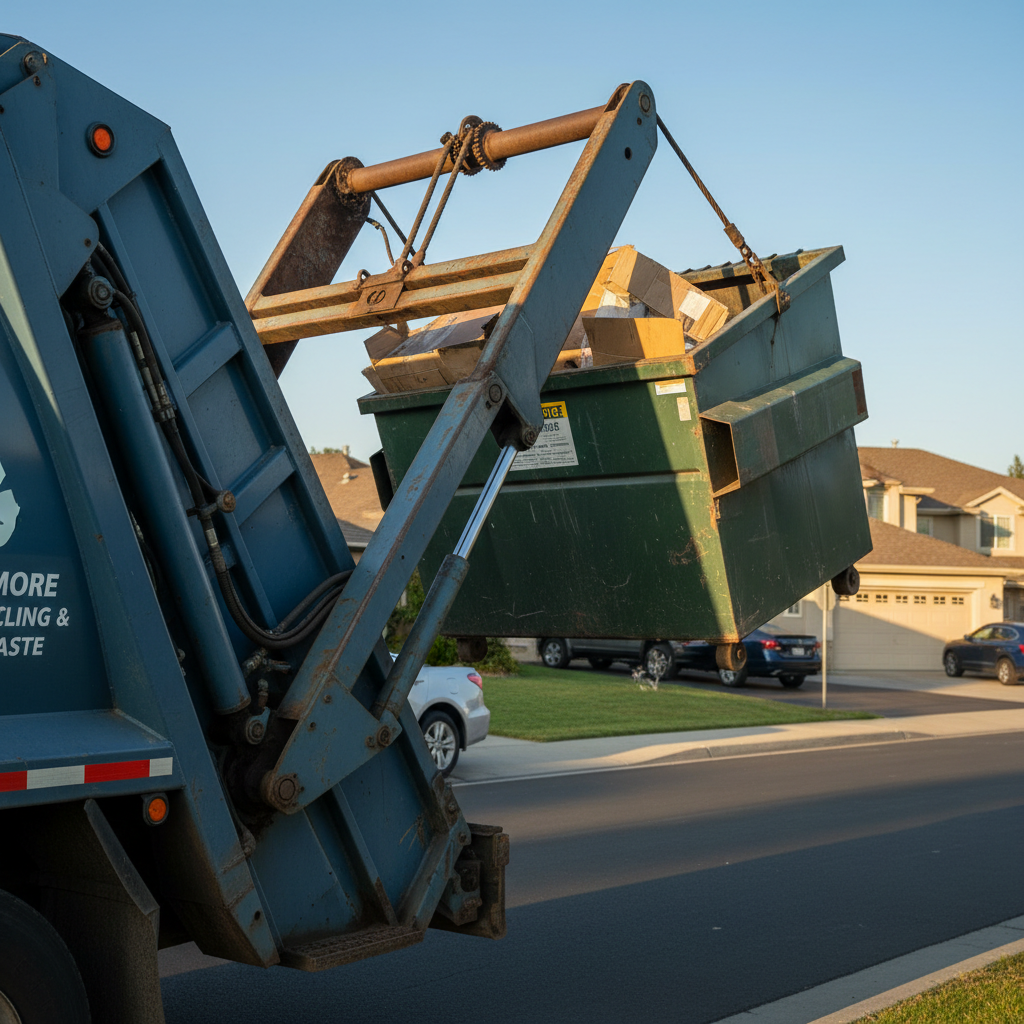
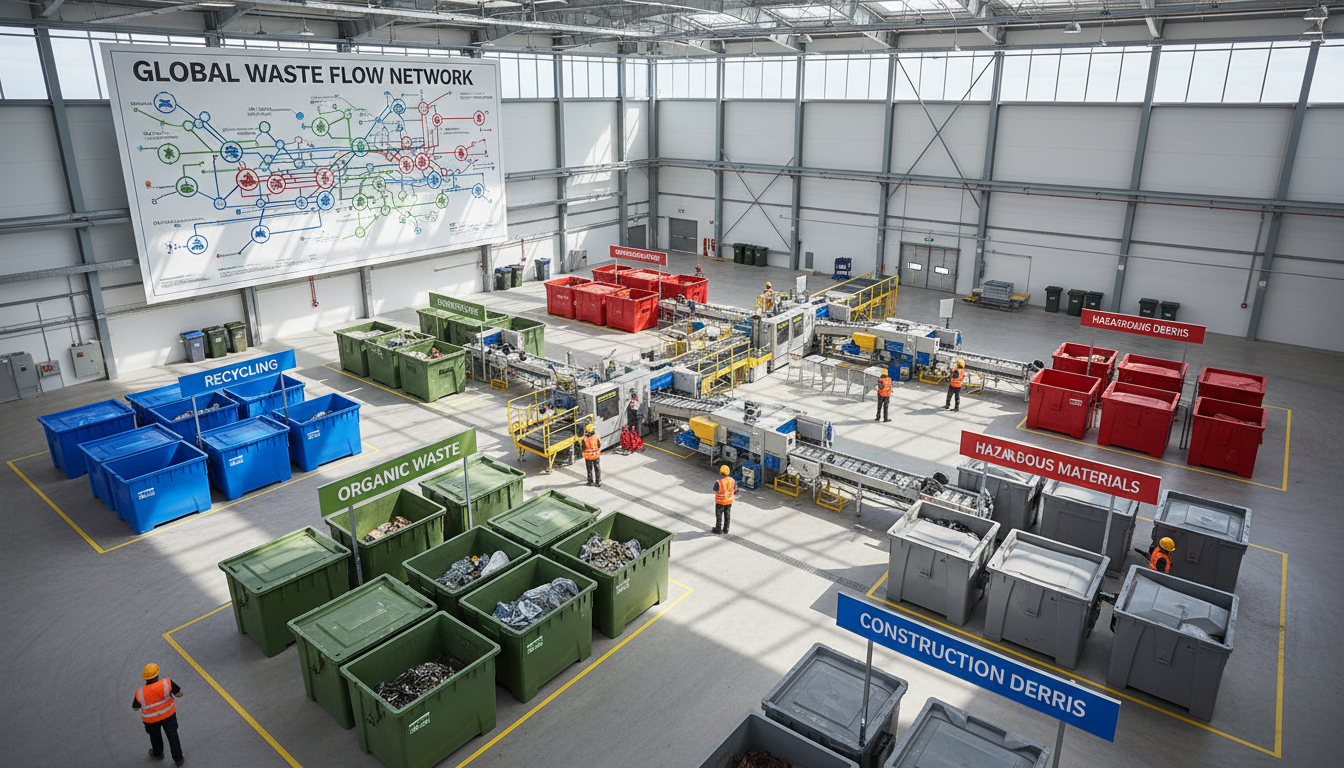
Once our trucks complete their routes in Fillmore, the commingled materials are transported to a regional Materials Recovery Facility (MRF). This facility serves as a high speed laboratory where mixed waste is transformed back into raw commodities. The process begins with a series of mechanical screens and rotating drums, known as trommels, which separate paper and cardboard from heavier containers based on size and weight.
Technological precision drives the next stage of the journey. Large magnets suspended over the belts pull out steel and tin cans, while eddy current separators use fluctuating magnetic fields to literally bounce aluminum cans into separate collection areas. For plastics, optical sorters use infrared sensors to identify the specific resin type of a container in milliseconds, triggering a precise blast of air to knock the item into its designated bin.
Despite this advanced automation, human manual pickers are the most critical line of defense against recycling contamination. These workers stand at the conveyor belts to pull out large debris, tanglers, or hazardous materials that could damage the machinery or cause fires. Because these individuals are in close proximity to the waste stream, your initial sorting at the curb directly dictates their safety. Ensuring your bins contain only approved items allows our reliable waste collection and recycling services to move materials through these facilities efficiently, keeping local programs sustainable and operational.
How to Reduce Recycling Contamination: A Practical Guide
Reducing recycling contamination starts with a simple shift in mindset: "When in Doubt, Throw it Out." While it feels counterintuitive to discard an item that might be recyclable, this rule is the most effective defense against wish-cycling. To implement this practically, homeowners and business managers should set up a designated pre-sort station. This can be a simple bin or staging area where items are placed before they are verified and moved to the final collection container. This extra step provides a moment to check the material against specific Intermountain region guidelines.
Efficiency is also key when preparing containers. You do not need a full dishwasher cycle for a plastic jug; a quick swirl of leftover dishwater or a brief rinse with cold water is sufficient to remove residue. Once the item is empty and dry, it is ready. Consistently referring to updated recycling resources ensures that changes in regional processing capabilities are reflected in your sorting habits. By refining these daily routines, clients supporting reliable waste collection and recycling services ensure that waste management trends for 2026 prioritize genuine sustainability and resource recovery over the costly expansion of local landfills. Taking these small, intentional steps at the source preserves the integrity of the entire waste stream.