Conducting a business waste audit requires measuring the types and volumes of materials your facility generates to identify inefficiencies and potential cost savings. Organizations should evaluate current disposal methods, implement clear sorting systems, and provide employee training to maximize recycling rates and minimize landfill fees. This data-driven approach allows companies to streamline operations while meeting evolving sustainability regulations and reducing overall waste expenditures.
Most business owners view trash as a fixed expense, but hidden within your dumpsters are thousands of dollars in wasted resources and inefficient disposal fees. If your facility struggles with rising hauling costs or complex regulatory requirements, you are likely overlooking significant operational savings. A comprehensive waste audit serves as more than a sustainability project; it is a critical diagnostic tool for your bottom line. In this guide, we will examine the evolving waste management trends for 2026 and provide a practical framework for analyzing your current output. You will learn how to execute a thorough audit, interpret the resulting data to find cost saving opportunities, and manage specialized materials like electronics or hazardous waste. By the end, you will have a clear roadmap to optimize your recycling processes with precision and professional expertise.
What is a Business Waste Audit and Why Does Your Company Need One?
A business waste audit is a formal, systematic process used to document the exact types and quantities of waste a facility produces. Unlike a casual visual inspection of a dumpster, it involves a rigorous physical analysis of the entire waste stream over a designated period, typically ranging from 24 hours to a full business week. For commercial operations in the Intermountain region, this data collection is the essential foundation for implementing effective commercial waste management solutions.
What is included in a waste audit? A comprehensive audit typically involves the following components: - Identification of specific material streams (cardboard, plastics, paper, organics, and landfill waste). - Measurement of both weight and volume for each category. - Evaluation of contamination rates in recycling containers. - Assessment of current disposal frequencies and container capacity utilization.
Many businesses in Fillmore and the surrounding areas view waste disposal as an unavoidable sunk cost. However, conducting a physical audit allows a facility to transition toward a sustainable resource management model. By identifying exactly what is being discarded, managers can uncover hidden inefficiencies where valuable recyclables are being paid for as landfill trash. This process is the first step for any organization seeking reliable waste collection and recycling services that are tailored to actual output rather than guesswork. Moving from a reactive disposal mindset to a data-driven management strategy ensures that your operational waste serves a purpose rather than just impacting the bottom line.
Waste Management Trends for 2026: Preparing Your Business for Future Standards
The waste management landscape is shifting rapidly toward stricter data accountability and material recovery. By 2026, Environmental, Social, and Governance (ESG) reporting will no longer be exclusive to large corporations. Small and medium enterprises in the Intermountain region are increasingly expected to provide transparent data regarding their carbon footprint and landfill diversion rates. A proactive business waste audit is the only way to establish the baseline data required for these reports, ensuring that your company can demonstrate environmental stewardship to investors, clients, and local regulators.
Regulatory alignment is also tightening at the state level. Utah continues to refine its solid waste management plans, focusing heavily on diverting high-value materials like cardboard and masonry from landfills to extend the lifespan of local infrastructure. By 2026, automation in waste tracking and improved reporting will be industry standards. Companies that rely on antiquated disposal methods may face rising compliance fees or surcharges for contaminated recycling streams. Implementing commercial waste management solutions early allows businesses to identify high-volume waste streams before new local mandates take effect.
The 2026 outlook suggests that waste will be managed as a resource rather than a liability. Future standards will reward businesses that can prove their reduction of single-use materials and their successful recovery of specialized recycling resources. Using an audit as a strategic tool today prevents the compliance shock of tomorrow. It moves your operation from a reactive posture to a proactive one, where you are prepared for automated reporting requirements and more stringent disposal audits from municipal authorities. Staying ahead of these benchmarks ensures that your operation remains both legally compliant and economically competitive as disposal costs for unsorted waste continue to climb.
Step by Step Guide to Planning and Executing Your Audit
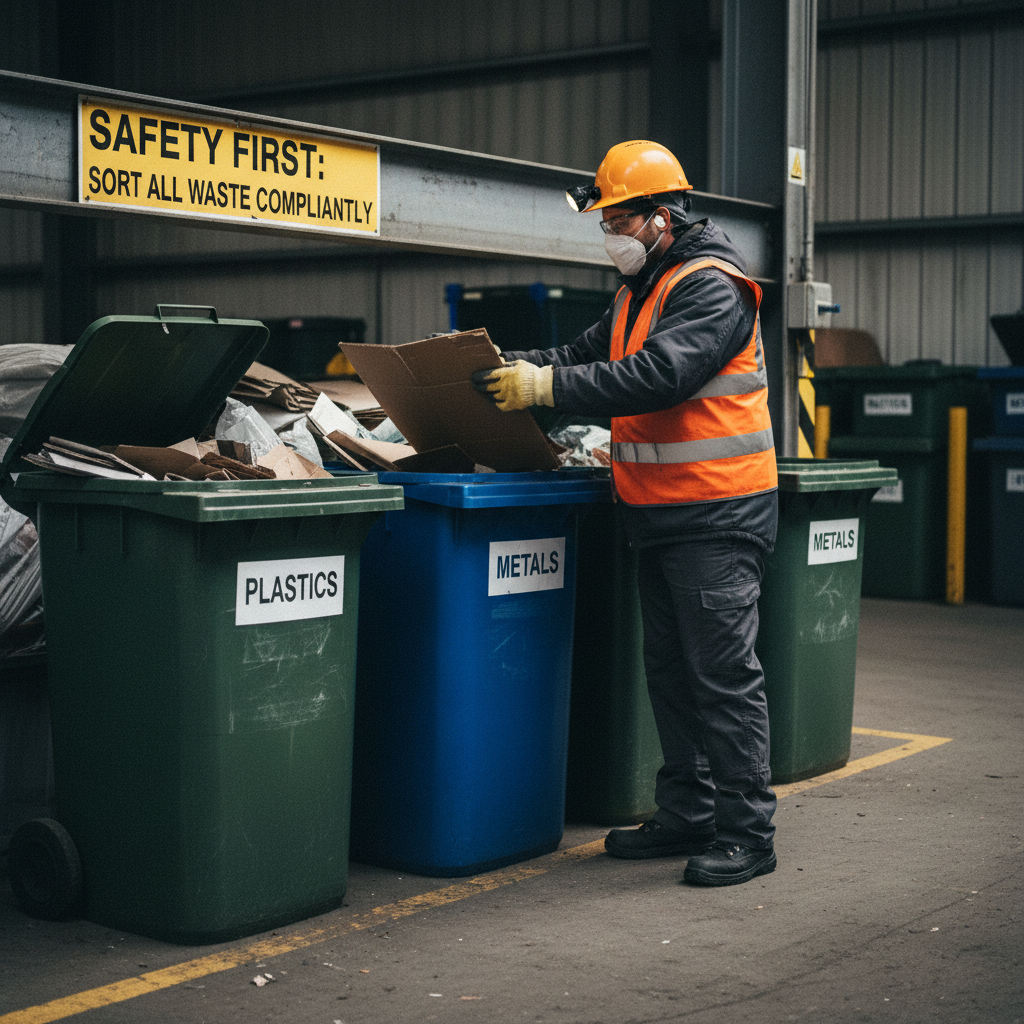
Transitioning from a general awareness of future trends to a functional waste reduction strategy requires a structured approach. A well executed business waste audit provides the raw data needed to refine your commercial waste management solutions. To ensure the process is both accurate and safe, follow this chronological checklist tailored for commercial and industrial operations in the Fillmore area.
### Step 1: Assemble Your Team and Safety Gear Select a small group of employees who understand the facility’s daily operations. Safety is paramount when handling discarded materials. Every team member must be equipped with puncture resistant gloves, masks, high visibility vests, and safety glasses. If your facility handles industrial scrap or liquids, ensure the team is briefed on spill response protocols before the audit begins.
### Step 2: Define the Audit Period Select a timeframe that accurately represents your standard production cycle. While a 24 hour snapshot can work for small offices, a full business week is the gold standard for industrial sites and warehouses. This longer duration accounts for variable shipping schedules and mid week production peaks, providing a more reliable average of your weekly output.
### Step 3: Utilize a Staging Area for Sorting To avoid interrupting active business operations or blocking loading docks, designate a specific staging area for the audit. For Fillmore based industrial sites, a secondary bay or a cordoned off section of the parking lot works best. Use clearly labeled bins or tarps to sort waste into specific streams: - Corrugated cardboard and mixed paper - Film plastics and rigid containers - Food waste and organics - Metal scraps (steel, aluminum, or copper) - Hazardous materials and specialized recycling resources like e-waste
### Step 4: Weigh and Record Data Once the materials are sorted, use a calibrated industrial scale to record the weight of each category. Documenting volume is also helpful, as it identifies which materials are taking up the most space in your dumpsters. This data is the foundation for securing reliable waste collection and recycling services that match your actual needs. Keep a detailed log of any contamination found in recycling bins, such as food waste mixed with clean cardboard, as this highlights specific areas where employee education is needed. This recorded data will serve as your baseline for all future cost saving adjustments.
Analyzing the Data: Identifying Inefficiencies and Cost Saving Opportunities
After the physical sorting is complete, the data from your business waste audit reveals where your budget is literally going to waste. Start by comparing your recorded volumes against your current service contract. Many businesses in the Intermountain region find that their dumpsters are being tipped while only half full. If your audit shows consistently low volumes, you are essentially paying for the transport of empty space. Adjusting your service levels to match the actual output documented in your audit can immediately reduce monthly overhead.
The next step involves analyzing material composition. If a significant percentage of your landfill bin consists of corrugated cardboard, pallet wrap, or rigid plastics, you are missing out on commercial waste management solutions that capitalize on material value. Cardboard is exceptionally bulky; when it is disposed of in a standard trash bin, it consumes valuable volume and forces more frequent, expensive pickups. By diverting these high volume materials into specialized recycling resources, you can often downsize your primary dumpster or extend the time between landfill collections, directly impacting your bottom line.
Prioritize source reduction as your primary cost saving lever. Examine why certain materials are entering your waste stream in the first place. For example, if the audit reveals excessive packaging from a specific vendor, negotiating a change in shipping materials can eliminate the waste before it requires handling or disposal fees. For industrial operations in Fillmore that generate high volumes of clean, homogenous scrap, such as metal framing or clean cardboard, these materials might even be eligible for rebates. This data driven approach allows you to transition to reliable waste collection and recycling services that are built around operational efficiency rather than outdated habits. By focusing on the largest and heaviest material streams first, you maximize the return on the time invested in the audit process.
Handling Specialized Waste: Electronics, Construction Debris, and Hazardous Materials

Identifying standard trash is straightforward, but specialized waste streams require a more technical approach. Many business owners ask what can and cannot be thrown away during their daily operations. It is critical to recognize that electronics, or e-waste, must never enter standard bins. These items contain heavy metals like lead, cadmium, and mercury that pose significant environmental risks if crushed in a landfill. Instead, these should be diverted through specialized recycling resources to ensure compliant recovery and data security.
To manage these complex materials effectively, professionals use the 7 Rs framework. This hierarchy guides decision making before an item ever reaches the bin:
Refuse: Avoid bringing non-recyclable materials into the facility.
Reduce: Limit the volume of hazardous or specialized materials used.
Reuse: Find secondary uses for shipping containers or pallets.
Repurpose: Convert waste materials into functional tools or packaging.
Recycle: Process materials like metal and paper into new products.
Rot: Compost organic materials to keep them out of the landfill.
Rethink: Examine procurement to prioritize sustainable material lifecycles.
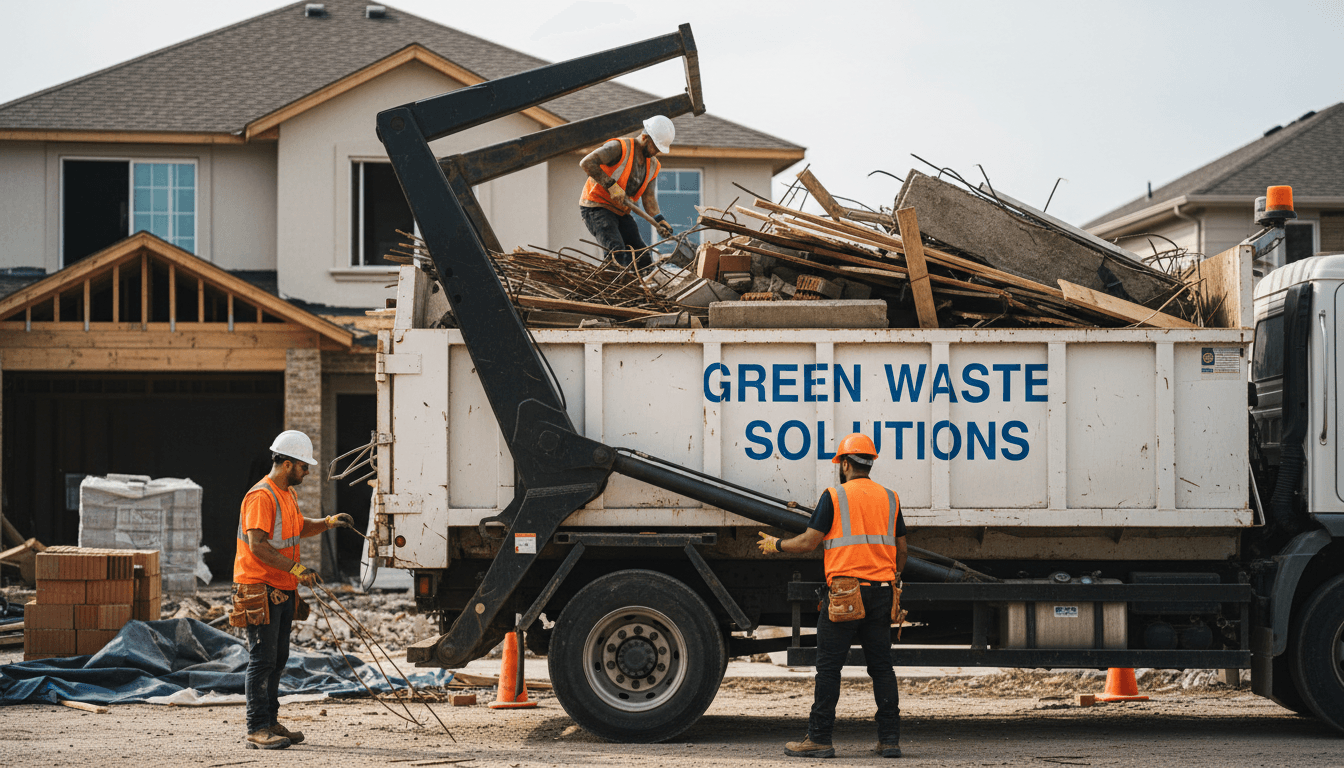
For construction and demolition sites across the Intermountain region, source separation is the most effective way to control costs. Throwing mixed debris into a single roll-off container is expensive because landfill fees are calculated based on weight and processing difficulty. By sorting lumber scraps and metal framing at the source, you can often secure lower disposal rates for clean loads. Integrating these practices into your commercial waste management solutions ensures that hazardous or bulky items do not lead to the fines or inflated operational costs often uncovered during a business waste audit.
Implementing Your Findings with Intermountain Recycling
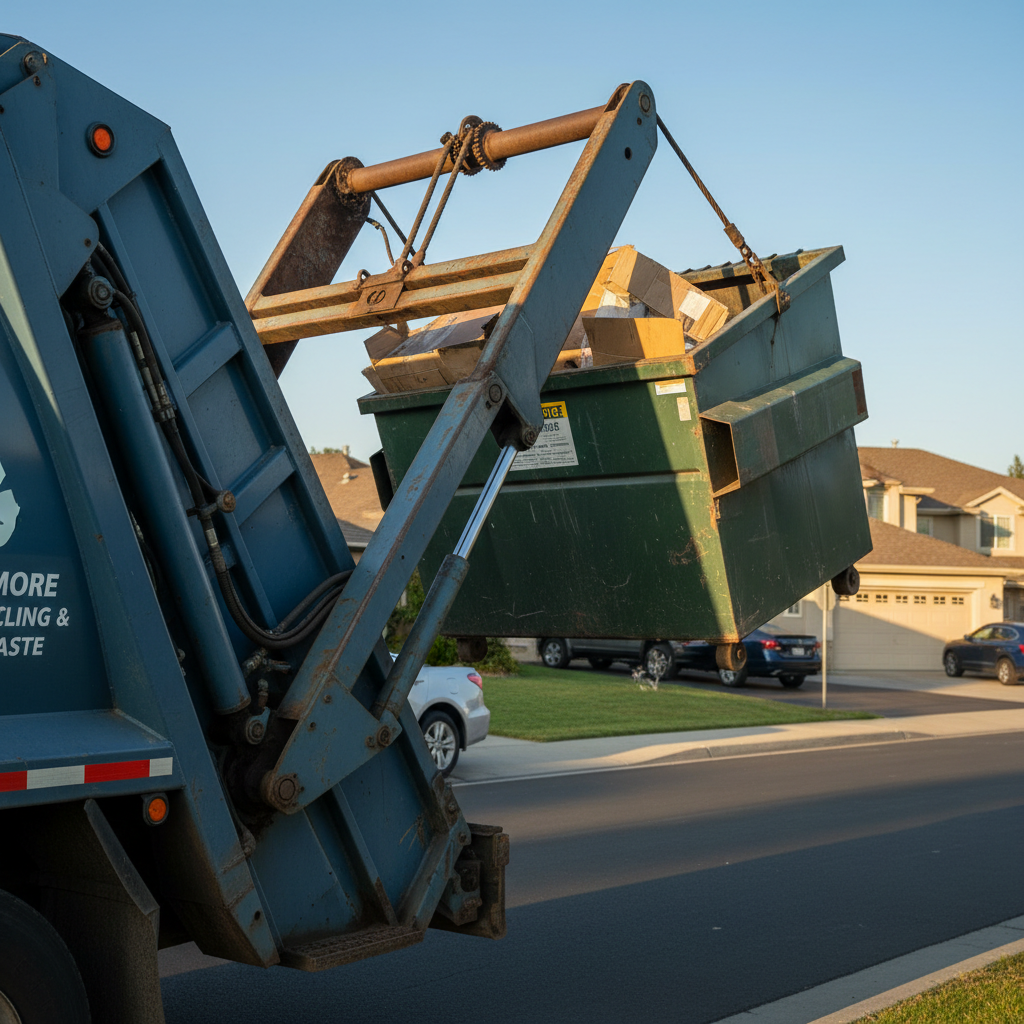
Once you have documented your data, the next phase is bridging the gap between raw numbers and daily operations. Sharing your business waste audit results with Intermountain Recycling allows for the creation of commercial waste management solutions that reflect your actual output. We use these findings to refine container placement, ensuring bins for cardboard or scrap metal are located exactly where waste is generated to reduce internal labor costs and prevent cross-contamination.
From our base in Fillmore, we provide organized routing and clear service schedules across the Intermountain region. This logistical precision means your pickups occur only when necessary, preventing the inefficiency of hauling half empty containers. Implementing your findings also involves internal changes, such as designing better labeling and employee awareness programs that point staff toward specialized recycling resources. By aligning your internal sorting protocols with our reliable waste collection and recycling services, you eliminate unnecessary landfill surcharges and maximize the recovery of high value materials. This collaborative approach turns a theoretical report into a streamlined, cost effective waste management program tailored to your facility.
Performing a waste audit is a transformative step toward reducing expenses and maximizing your environmental contribution. By carefully analyzing your disposal habits, you can turn overlooked waste into a streamlined recycling program. If you want expert help navigating these changes or scaling your sustainability efforts, our specialists are ready to assist. You can discover more About our team and our history of helping businesses succeed by exploring our background and values.